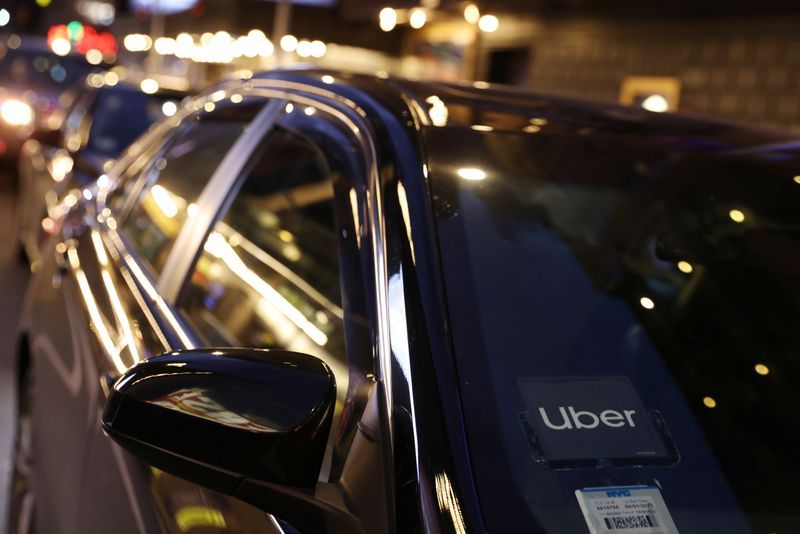
A Detroit-based pension fund leading a group of shareholders has initiated legal action against Uber Technologies' board of directors, alleging that management and board members permitted the ride-sharing platform to systematically neglect compliance safeguards. The lawsuit, filed in San Francisco federal court, contends that these oversights directly contributed to thousands of legal claims from individuals who experienced sexual assault and harassment at the hands of drivers operating through the company's network.
The complaint describes Uber as "a serial compliance offender" whose standing in the marketplace has suffered irreparable damage owing to persistent negative media coverage and public disputes. Shareholders argue that the board repeatedly received warnings—both from within the organisation and from external sources—about the company's inadequate handling of sexual abuse concerns. Rather than implementing robust preventive measures, the lawsuit suggests, decision-makers chose to prioritise other considerations, allowing dangerous patterns to persist.
The regulatory troubles facing the San Francisco-headquartered company extend well beyond driver misconduct allegations. Last year, the federal government initiated separate legal proceedings against Uber, asserting that the platform had systematically discriminated against disabled passengers. The government's case alleges that Uber refused service to individuals using service animals or those requiring stowable wheelchairs, in violation of accessibility laws. Additionally, the company stands accused of employing deceptive billing practices and applying cancellation fees that were not properly disclosed to users, matters which shareholders now attribute partly to board-level oversight failures.
The litigation framework employed here is known as a derivative lawsuit, a mechanism through which shareholders seek to compel board members and executives to compensate the company for breaches of their fiduciary responsibilities—the legal obligation to act in the company's best interest—as well as violations of federal securities regulations. Chief Executive Officer Dara Khosrowshahi is named among the defendants, alongside other board members. Shareholders acknowledge that Khosrowshahi, who has held the top position for nearly nine years, has adopted a somewhat more measured approach to regulatory boundaries compared to his predecessor, yet they contend that he has nonetheless allowed the organisation to cut corners on compliance investments and protocols.
The scale of pending litigation tells a sobering story about the safety challenges the company faces. As of June 1, Uber was defending approximately 3,571 lawsuits in federal court in San Francisco alone, each alleging sexual misconduct by drivers. This staggering volume suggests a pattern that extends far beyond isolated incidents. The shareholders' complaint includes research indicating that fewer than 40 percent of users believe Uber genuinely prioritises passenger safety—a metric suggesting that years of adverse publicity and legal disputes have substantially eroded consumer confidence in the platform's commitment to basic security measures.
For Malaysian and Southeast Asian readers, this case carries particular relevance. Ride-sharing services operate across the region with varying levels of regulatory oversight, and the Uber litigation in the United States signals how liability questions around driver vetting, passenger protection, and accessibility compliance are increasingly reaching boardrooms and courts globally. The financial and reputational costs documented in this American case likely influence how platforms operate elsewhere, as global companies often implement standardised policies that reflect lessons learned from major legal battles.
Uber's market valuation has deteriorated markedly in recent months, with the company's share price declining more than 25 percent from its peak on September 22 last year. While multiple factors contribute to stock performance, the accumulation of safety scandals, federal investigations, and now shareholder litigation undoubtedly weighs on investor sentiment. The board's alleged failure to adequately address known risks—particularly regarding sexual misconduct, a category of harm that generates intense media scrutiny and public concern—compounds the erosion of shareholder value.
The company's defensive posture in other regulatory arenas further illustrates the tension between operational flexibility and compliance obligations. Earlier this month, Uber joined rival Lyft in launching a legal challenge against a new New York City regulation. The companies argue that the law restricts their ability to remove drivers deemed unsafe, framing the matter as a question of operational autonomy. Shareholders filing the current lawsuit would likely view such regulatory clashes as symptomatic of a broader organisational culture in which compliance costs are treated as obstacles to circumvent rather than essential protections to implement.
The board's response to this litigation remains pending. Uber declined to provide immediate comment when approached for reaction, and the shareholders' legal representatives also did not address media inquiries promptly. This silence is procedurally typical for defendants in early-stage litigation, yet it also underscores the gravity of the allegations. The company will eventually need to mount a substantive defence, either through the courts or through settlement negotiations, both paths that will consume time and financial resources.
What distinguishes this shareholder action from the other lawsuits Uber faces is its focus on governance and corporate decision-making rather than on individual incidents of driver misconduct or specific customer harms. By targeting the board directly, shareholders are arguing that the problem runs deeper than isolated bad actors; rather, they contend that institutional negligence at the highest levels of management created and perpetuated conditions under which harm could flourish. This analytical framing may prove persuasive to courts evaluating whether board members breached their duties, and it suggests that Uber's legal and financial challenges may intensify before they stabilise.