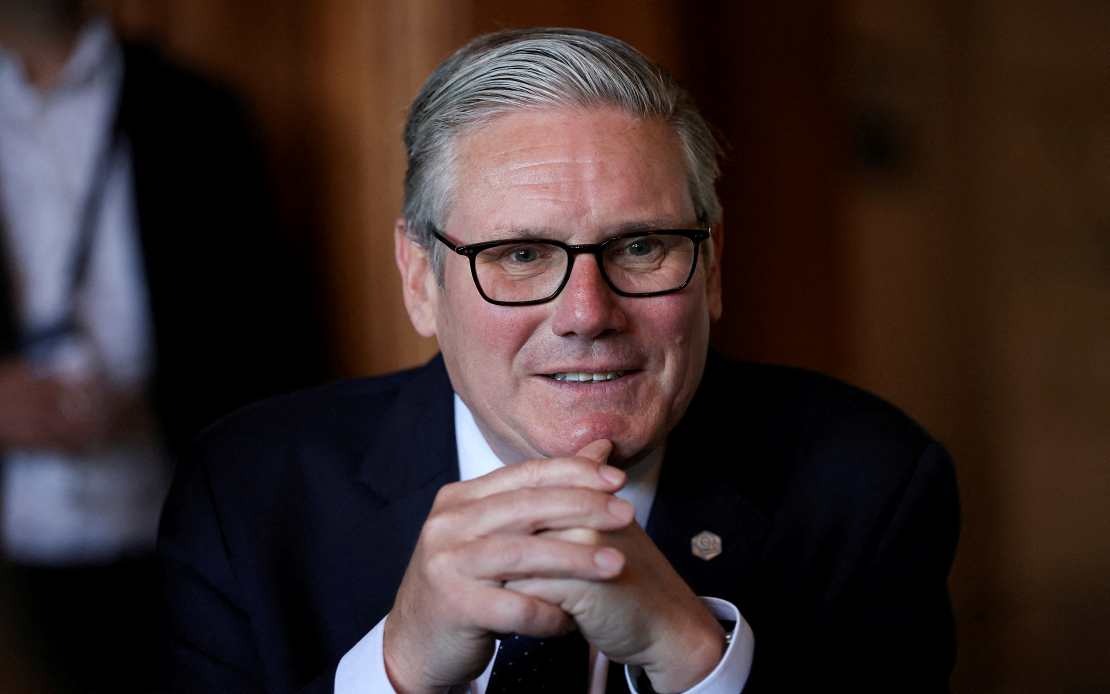
British Prime Minister Keir Starmer appeared set to make a major political announcement from Downing Street within hours, with preparations underway that suggested an address of significant importance. Media reports indicated speakers were being installed at the Prime Minister's London residence, a telltale sign of an impending public statement on matters of national consequence.
The anticipated announcement comes as Starmer faces intensifying pressure from within his own government ranks, with multiple officials now believing the Prime Minister will lay out a specific timeline for his departure from office. Senior figures within the administration have begun to accept the likelihood that their leader's tenure will conclude sooner rather than later, marking a dramatic shift in the political atmosphere at Westminster.
Domestic policy challenges have mounted considerably during Starmer's premiership, with immigration and energy policy failures emerging as central points of contention both within cabinet and across the broader political landscape. These twin policy difficulties have significantly eroded confidence in his leadership among government colleagues and the general public alike, creating an increasingly untenable position for the Prime Minister.
International media outlets have begun reporting on the growing speculation surrounding Starmer's future, with some suggesting that a formal resignation could materialise imminently. The convergence of reports from multiple news organisations indicates that serious discussions about transition arrangements have already commenced within government circles, pointing to the advanced stage of potential leadership planning.
The timing of any announcement carries significant implications for the Labour Party and British governance more broadly. A leadership transition would require the party to manage internal successor negotiations while maintaining policy continuity on critical issues ranging from economic management to international relations. The process could prove destabilising at a time when the UK faces considerable economic and geopolitical headwinds.
For Malaysia and Southeast Asia, developments in British political leadership matter considerably given longstanding trade relationships and defence partnerships. The UK maintains significant diplomatic and commercial engagement across the region through bilateral arrangements and multilateral forums including the Commonwealth. Any disruption to political leadership in London could influence policy priorities and the attention devoted to Asia-Pacific affairs during a transition period.
Starmer's potential exit would represent a notable reversal after Labour's return to power following years in opposition. The party had won the previous election with considerable public support, but implementation challenges and shifting political dynamics have complicated the government's ability to deliver on key campaign promises. The difficulties experienced in translating electoral mandate into effective governance underscore the complexities of managing modern British politics.
The resignation scenario, if confirmed, would trigger formal procedures for selecting a new Labour Party leader and Prime Minister. This process typically involves consultation among MPs, party membership voting, and complex negotiations to ensure smooth transfer of power. The duration and conduct of such a transition could significantly impact both domestic policy implementation and international perceptions of British political stability.
Immediate questions would arise regarding the caretaker management of critical portfolios during any interim period. Senior cabinet members would likely assume greater responsibilities while the party determines succession arrangements, raising concerns about continuity in defence, foreign affairs, and economic management. These uncertainties could prompt reactions from market participants and Britain's international partners who rely on clarity regarding policy direction.
The broader context of this potential leadership change reflects challenges faced by many Western democracies in managing public expectations, implementing complex policy reforms, and maintaining political coherence in an era of rapid social change. Starmer's possible departure would add another chapter to the ongoing narrative of political instability that has characterised British governance over the past several years, with implications extending well beyond Westminster.