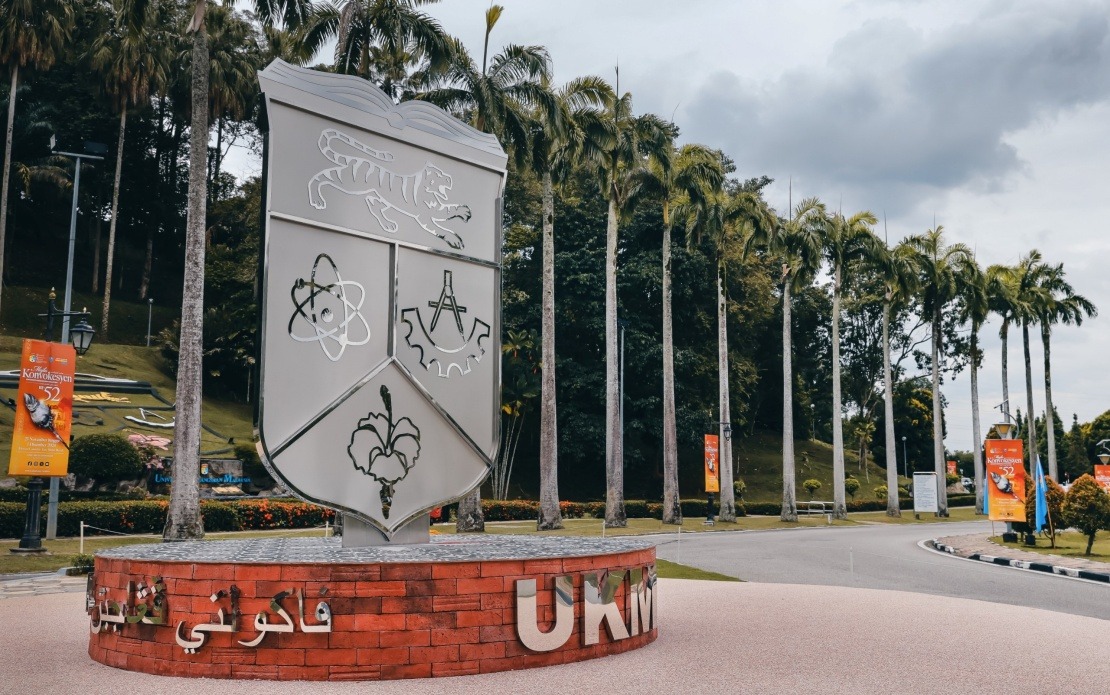
Universiti Kebangsaan Malaysia (UKM) has moved swiftly to counter a misleading social media narrative suggesting the institution has become dominated by international undergraduates. The university issued a formal statement today categorically denying a viral claim that international students comprise one-fifth of its total enrolment relative to Malaysian students, dismissing the allegation as entirely without foundation. The video-based claims have circulated widely on social platforms, raising questions about UKM's admission priorities and its commitment to serving Malaysian education seekers—concerns that university leadership has now directly addressed with verifiable institutional data.
According to the latest figures compiled by UKM's Academic Management Centre and the Centre for Continuing Education and Professional Studies, the institution currently educates a total of 46,151 students across all programmes. Within this cohort, only 3,917 are classified as international undergraduates, a figure that starkly contradicts the sensational 5:1 ratio claimed in the viral material. This official breakdown reveals a substantially different reality from what social media accounts have suggested, with international undergraduates representing merely eight per cent of the university's total undergraduate population. The actual ratio translates to approximately one international student for every twelve enrolled learners, positioning UKM's international intake well within carefully managed parameters rather than the outsized presence alleged by critics.
The discrepancy between claimed and actual figures underscores a broader challenge facing Malaysian universities in the digital age: the rapid spread of unverified information that can damage institutional credibility and influence public perception of enrolment policies. For UKM, a university with a distinct mandate to serve Malaysian higher education needs, such allegations strike at the heart of its founding principles and institutional identity. The university's forceful response reflects not merely defensive positioning but recognition that misinformation about student demographics carries real consequences for recruitment, funding discussions, and public trust. UKM's statement signalled that the institution will pursue legal remedies against parties deliberately spreading false or defamatory claims, indicating a more aggressive posture toward disinformation than Malaysian universities have traditionally adopted.
UKM's leadership has framed the university's international student recruitment within the broader context of Malaysia's higher education strategy. The institution emphasised that admission of foreign undergraduates operates under strict controls aligned with objectives established by the Ministry of Higher Education. This regulatory framework reflects national policy to internationalise Malaysia's university sector without compromising opportunities for domestic students—a balance that UKM management maintains has been carefully calibrated and consistently honoured. The university's statement stressed that international student numbers remain subordinate to its primary mission of advancing educational access and quality for Malaysians, and that these two objectives operate in complementary rather than competitive relationship.
The reputational implications of such viral claims deserve particular attention in the Malaysian context, where public institutions operate under intense scrutiny and where university enrolment decisions carry profound implications for citizen access to higher education. Social media campaigns alleging that international students have displaced Malaysians from university places resonate with anxieties about national resources and competitive advantage in education markets. UKM's emphatic denial coupled with release of granular data represents an attempt to replace narrative speculation with empirical evidence, yet the effectiveness of such institutional responses often depends on media amplification and public receptiveness to contradictory information. The university's appeal to residents to rely exclusively on official communication channels reflects a measured awareness that combating misinformation requires both clear facts and institutional channels of sufficient credibility to restore confidence.
Internationalisation has emerged as a contentious aspect of Malaysian higher education policy, with debates often centring on the appropriate balance between global engagement and domestic student access. Universities pursuing world rankings and research excellence frequently increase international recruitment, yet such moves can trigger public criticism if perceived as compromising spaces available to Malaysian applicants. UKM's defensive posture here suggests that the university faces particular vulnerability to such allegations given its status as one of Malaysia's premier research institutions with elevated international visibility. The clarification that only eight per cent of undergraduates are international provides reassurance to Malaysian families and prospective students that local admission standards and quotas remain protective of domestic enrolment interests, even as the institution pursues academic internationalisation.
The university's commitment to transparency through release of official enrolment data represents a constructive approach to institutional accountability, yet the episode highlights the speed with which unverified claims can circulate and gain traction before institutional responses gain comparable reach. UKM's assertion that it will pursue legal action against continued dissemination of false information signals determination to protect institutional reputation but also underscores the challenge that legal remedies arrive slowly compared to the velocity of social media narratives. For Malaysian universities more broadly, this incident offers a cautionary lesson about the importance of proactive communication strategies and regular publication of enrolment statistics that can serve as accessible reference points when allegations emerge. Universities that maintain transparent data publicly available and regularly updated are better positioned to mount rapid fact-based responses to misinformation.
The episode also raises questions about the original sources and motivations behind such claims. Allegations that a major Malaysian university has been captured by international interests suggest potential political dimensions or factional disagreements about higher education direction and resource allocation. Whether the claims originated from student activists, opposition figures, or broader public scepticism about internationalisation remains unclear from available information, yet understanding these sources would illuminate whether the allegations reflect genuine policy concerns or represent opportunistic political messaging. The viral nature of the claim despite its empirical inaccuracy demonstrates that factual veracity alone does not determine social media resonance; emotional appeal and alignment with existing anxieties often prove more influential than accuracy in determining which claims gain widespread circulation.
UKM's reaffirmation of its founding mission and commitment to serving Malaysian education aspirations attempts to recalibrate public understanding of the university's priorities and values. The institution positioned itself as steward of national educational interests rather than institution captured by internationalisation imperatives, emphasising that international student admission enhances rather than diminishes educational quality available to Malaysian learners. This framing acknowledges legitimate public concern about resource allocation while asserting that managed internationalisation can serve rather than undermine domestic educational access. For the university community internally, such statements also serve to reinforce institutional identity and mission orientation among staff and students who may feel caught between conflicting priorities.

