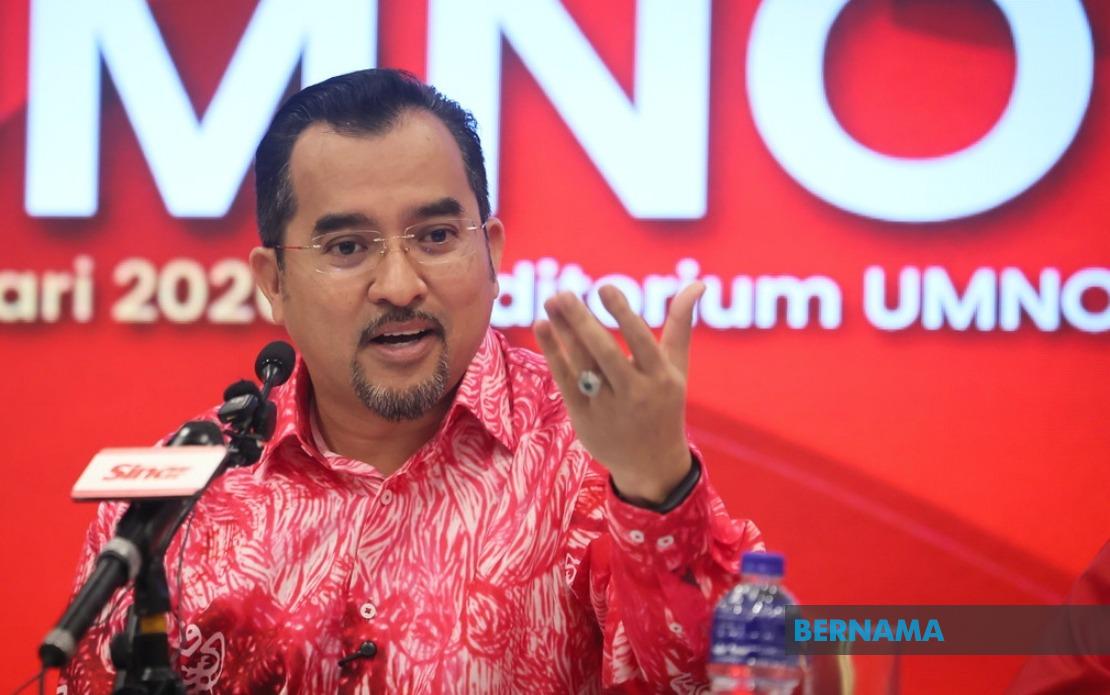
Datuk Dr Mohd Puad Zarkashi's abrupt exit from UMNO has been attributed to his dissatisfaction with party leadership's decision to exclude his son from consideration as a candidate for the Rengit state seat, according to UMNO secretary-general Datuk Dr Asyraf Wajdi Dusuki. The senior party official made the disclosure through a Facebook statement on June 25, laying bare internal tensions within Malaysia's most established Malay-Muslim political organisation as the party prepares for Johor's state election scheduled for July 11.
Ashraf Wajdi's public account reveals a pattern of escalating pressure from Mohd Puad, who allegedly submitted lengthy written communications threatening to attack the party and abandon his membership if the party leadership did not accommodate his candidate request. The secretary-general's decision to air this dispute publicly underscores deeper concerns within UMNO's upper echelons about managing personal expectations versus institutional principles when determining electoral candidates. The disclosure came just hours after Mohd Puad announced his resignation on social media, stating the move would grant him greater freedom to articulate his perspectives without party constraints.
The conflict illuminates a persistent challenge for UMNO as it navigates competing pressures between rewarding loyal party members and implementing merit-based selection processes for electoral candidacies. Asyraf Wajdi acknowledged that Mohd Puad's son possessed youth and untapped leadership potential, yet emphasised that candidate selection demands consideration of multiple variables beyond family pedigree or individual aptitude. This carefully calibrated response suggests party leadership sought to validate aspects of Mohd Puad's position while maintaining that broader organisational interests supersede individual family advancement.
Further complicating the internal dynamics, Asyraf Wajdi revealed that this represented a recurring pattern in Mohd Puad's relationship with UMNO's decision-making structures. During the tenure of former president Datuk Seri Najib Tun Razak, Mohd Puad reportedly issued comparable warnings that he would exit the party if not renominated as Member of Parliament for Batu Pahat. This historical precedent strengthens the secretary-general's contention that disappointment with candidate selection—rather than ideological disagreement or principled policy disputes—catalysed the resignation. The comparison underscores how personal career ambitions have repeatedly intersected with party loyalty questions within UMNO's internal politics.
Mohd Puad also levelled accusations that Johor's royal palace exerted controlling influence over the state branch of UMNO and orchestrated the dissolution of the State Legislative Assembly. Asyraf Wajdi dismissed these allegations as baseless slander, reflecting UMNO's institutional sensitivity regarding the monarchy's political role and the party's relationship with traditional institutions. Such claims, if they gained traction among party members or the broader Malay-Muslim constituency that UMNO represents, could have damaged the party's credibility and complicated its positioning ahead of the electoral campaign.
UMNO's secretary-general articulated a forceful rebuttal of what he characterised as weaponised personal grievance masquerading as principled critique. Asyraf Wajdi stressed that UMNO does not operate as a familial or hereditary organisation that allocates positions based on kinship networks or lineage. Instead, he framed the party as a meritocratic institution that evaluates candidates through comprehensive criteria encompassing electability, grassroots support, demographic appeal, and organisational considerations. This philosophical statement represents UMNO's attempt to project modernised governance standards even as internal contradictions between patronage politics and institutional rules continue to characterise Malaysian politics broadly.
The timing of this dispute carries particular significance given Johor's approaching electoral contest. The Election Commission has designated June 27 as nomination day for the state election, with polling scheduled for July 11 following the dissolution of the State Legislative Assembly announced on June 1. This compressed timeline means UMNO possessed limited flexibility in candidate selection processes, and internal disruptions regarding nominations could impede the party's campaign preparation and coordination. Mohd Puad's departure and the subsequent public recriminations risk demoralising party workers and creating the impression of organisational dysfunction during a critical electoral period.
Ashraf Wajdi's statement articulated UMNO's institutional defence against what party leadership perceives as attempted coercion through resignation threats and public accusations. The secretary-general contended that the party's historic mission—championing Malay-Muslim interests, religious concerns, and national sovereignty—transcends individual disappointments or family-based demands. This rhetoric attempts to reframe Mohd Puad's departure not as a loss to the party but as a necessary pruning of individuals who prioritise personal advancement over collective organisational objectives. By casting Mohd Puad's actions as illegitimate pressure tactics, UMNO leadership sought to establish that capitulating to such threats would fundamentally compromise the party's integrity and decision-making autonomy.
The resignation raises broader questions about how UMNO manages internal succession planning and candidate development, particularly for younger party members from established political families. Malaysian political observers have long noted tensions between traditional patronage structures and professionalised party management, with UMNO exemplifying these competing logics. Mohd Puad's expectation that his son merited candidacy consideration reflects assumptions about hereditary political influence that persist across Malaysian politics, yet party leadership's resistance suggests evolving norms around electoral competition and merit-based advancement within UMNO's organisational culture.
For Malaysian readers and Southeast Asian analysts, this episode encapsulates the persistent friction within established ruling parties navigating modernisation pressures, demographic change, and governance expectations. UMNO's response reveals institutional mechanisms for managing dissent and protecting organisational credibility even when such measures require sacrificing senior council members. Simultaneously, the episode underscores how personal ambitions continue driving political conflicts in Malaysia, sometimes obscuring ideological or policy-based disagreements that might otherwise animate public debate. As Johor's state election approaches, this internal rupture could influence campaign dynamics, voter perceptions of UMNO's stability, and calculations by other party members regarding the costs and benefits of continued membership.

