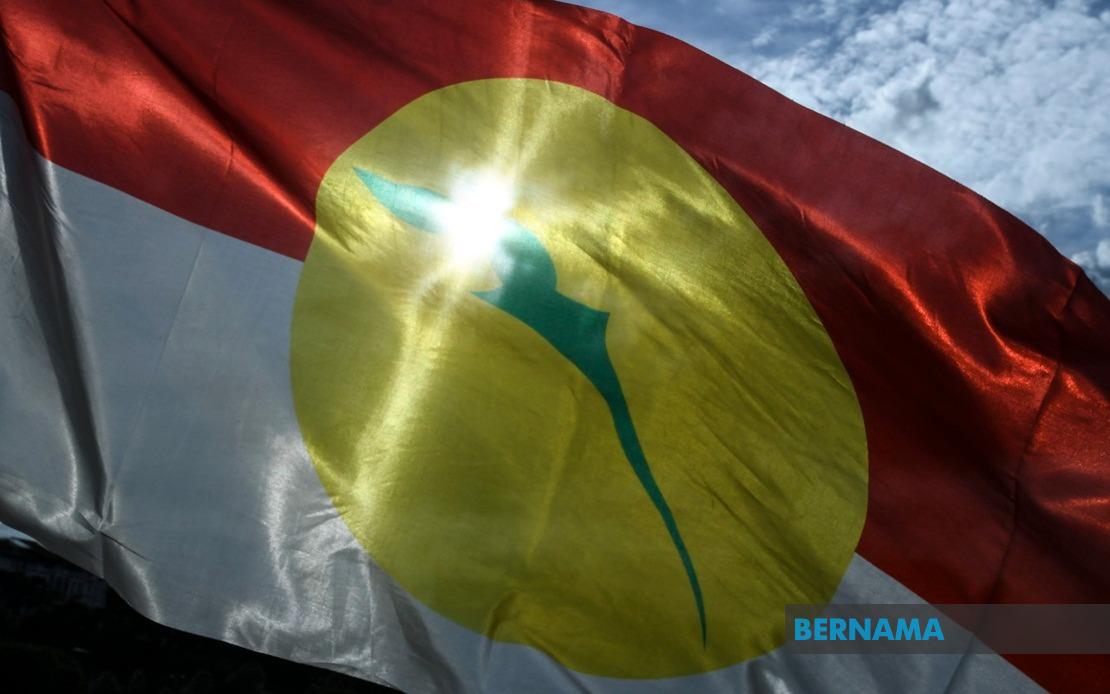
As the Barisan Nasional coalition prepares for the 16th Johor state election, the ruling party faces an internal challenge that extends beyond typical campaign dynamics. UMNO leadership has issued a stark reminder to its membership that the integrity of the party's comeback hinges on how gracefully members accept defeat in the internal selection process. The message comes at a delicate moment when candidate announcements have sparked visible discontent among sections of the party establishment, threatening to undermine the unified front needed for electoral success on July 11.
Datuk Seri Azalina Othman Said, the party's Information chief, articulated a sophisticated argument about political maturity that goes to the heart of UMNO's challenge in regaining public trust. Her statement acknowledges that disagreement is inevitable within any political movement, and that constructive criticism serves a legitimate purpose in internal deliberation. However, she draws a clear line between the democratic space for debate before decisions are finalised and the unacceptable erosion of party cohesion once the leadership has spoken. This distinction reflects an understanding that voters across Malaysia will be evaluating not merely UMNO's policy promises but the party's demonstrated capacity to manage conflict and maintain discipline under pressure.
The specific context lending urgency to Azalina's appeal emerged when Datuk Dr Mohd Puad Zarkashi, a sitting UMNO Supreme Council member, announced his immediate resignation from the party. While Mohd Puad framed his departure as a principled move to grant himself greater freedom of expression, UMNO Secretary-General Datuk Dr Asyraf Wajdi Dusuki attributed the resignation to personal dissatisfaction arising from the rejection of Mohd Puad's son as a candidate for the Rengit state seat. The episode illustrates a pattern that recurs in Malaysian politics: when internal selection processes produce unwelcome outcomes, some party figures respond by withdrawing rather than remaining to support the broader party agenda.
For Malaysian observers, the situation underscores a recurring vulnerability in UMNO's organisational culture. The party has long grappled with the tension between rewarding loyal members and selecting candidates most capable of winning seats. In a state like Johor, where UMNO's electoral dominance has been substantially challenged in recent years, the stakes of candidate selection are particularly acute. Each constituency represents a binary outcome—victory or defeat—and families with established political networks naturally expect preference. When those expectations are thwarted, some respond by questioning the legitimacy of the selection process itself, particularly if alternative candidates lack comparable grassroots credentials.
Azalina's broader argument rested on a contention about UMNO's institutional depth and generational renewal. She argued that the party has consistently produced sufficient talent at every level and that setback in any single election cycle need not be treated as career catastrophe for overlooked figures. This framing attempts to reposition candidate rejection not as a personal rebuke but as part of cyclical opportunity in a long-running political movement. She specifically commended Johor UMNO Liaison Committee chairman Datuk Onn Hafiz Ghazi and his team for executing a difficult selection round with deliberate calm and what she termed political courage—language suggesting that the selection committee had made principled choices despite predictable backlash.
The disciplinary challenge confronting UMNO extends beyond any single disaffected member. The party is acutely aware that voter behaviour in contemporary Malaysia is increasingly volatile and sensitive to perceptions of internal disorder. A significant portion of the electorate has demonstrated willingness to punish parties that appear divided or factional. UMNO's earlier losses in the 2018 general election were substantially driven by public perception of internal fragmentation and leadership turmoil. The party leadership is therefore attempting to establish a norm where losing candidates and their supporters publicly accept outcomes and channel their energies into supporting the party's slate, even when personally disappointed.
The July 11 polling date adds another layer of complexity to UMNO's management of internal dissent. With less than three weeks remaining between the June 27 nomination deadline and voting day, any extended period of visible internal friction could provide ammunition to rival coalitions and independent candidates. In Johor, where multiple political forces are competing—including elements of the opposition that retain significant organisational capacity—UMNO cannot afford the luxury of allowing member discontent to fester publicly. The state government's stability and the party's parliamentary representation both depend on a decisive victory, which in turn demands maximum mobilisation of grassroots networks that run through precisely those members most likely to feel aggrieved by selection outcomes.
Azalina's statement also carries implicit warning to senior party figures tempted to validate public expressions of grievance from members. By framing acceptance of selections as a test of individual maturity and party loyalty, she has positioned dissent not as legitimate political discourse but as failure to meet institutional obligations. This rhetorical move aims to establish social pressure against prominent figures who might otherwise amplify discontent, creating space for lower-level complaints without them becoming movements of consequence.
For the broader Malaysian political landscape, the episode demonstrates how UMNO's internal management directly affects not only the party's electoral prospects but the stability of state administration. Johor's economy and infrastructure matter to the wider region's development. A government beset by internal recrimination and defection of capable members would struggle to implement coherent policy agendas. From this perspective, Azalina's appeal represents not merely internal party discipline but a form of governance preparation—an attempt to establish that party members understand their roles as custodians of institutional effectiveness rather than merely conduits for personal advancement.
The resolution of this particular tension will likely unfold across the coming weeks as campaigns intensify. Whether members subordinate personal grievance to collective effort, or whether additional resignations and public defections accumulate, will provide early indicators of UMNO's institutional health and predict patterns that may recur in federal politics. For now, the party's formal position is clear: unity is non-negotiable, discipline is measured, and individual disappointment, however legitimately felt, must yield to the demands of public responsibility.

