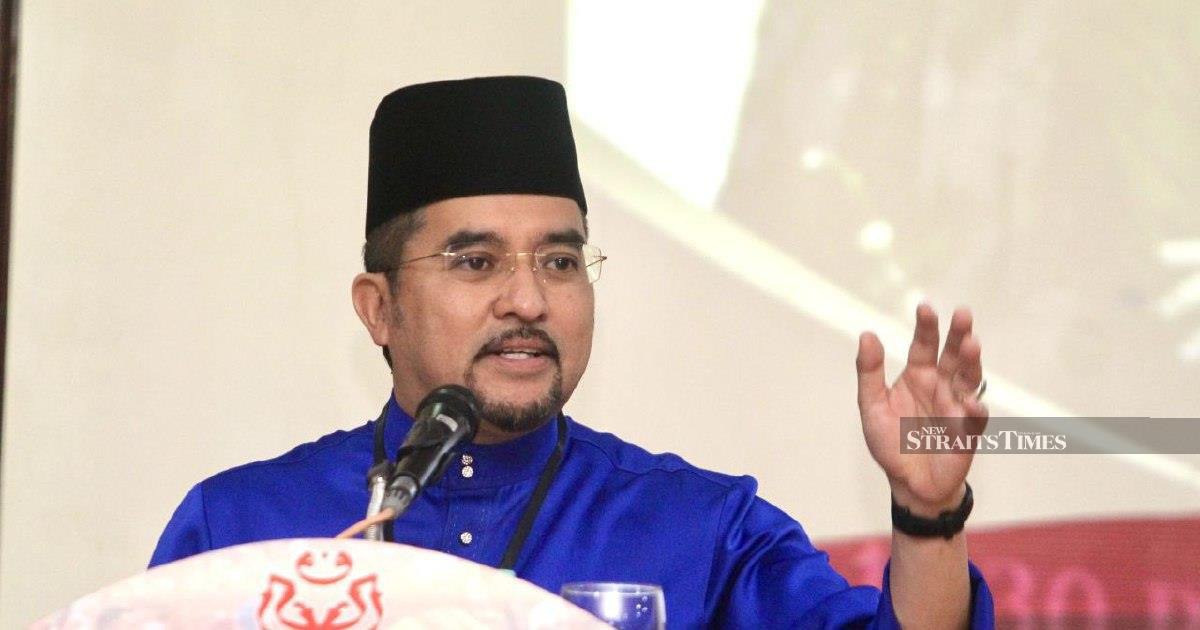
The Malaysian political landscape continues to show signs of strain within the ruling coalition as Umno rejects what it characterises as overreach by PKR Youth in dictating terms over seat distribution ahead of the Melaka state election. In comments made in Kota Baru, Umno representatives emphasised that while all coalition partners retain the prerogative to articulate their desired outcomes regarding candidate placements and electoral contests, the mechanism for resolving such matters must remain grounded in conventional inter-party dialogue conducted by senior decision-makers rather than populist positioning by youth wings.
The dispute underscores a persistent tension within Pakatan Harapan and its affiliated coalition arrangements—the challenge of balancing grassroots party activism with the disciplined process of seat-sharing negotiations that precede state and federal elections. PKR Youth, known for its vocal advocacy on various party and national issues, has evidently sought to leverage public statements to influence how seats are allocated between coalition partners contesting in Melaka, a state where the coalition holds significant influence. Umno's pushback suggests the party views such moves as circumventing established protocols and potentially destabilising the carefully calibrated agreements that allow multiple parties to contest together without directly opposing one another.
Seat distribution remains among the most contentious and consequential decisions in Malaysian coalition politics. The allocation determines which party fielded candidates in which constituencies, effectively dictating electoral fates and career trajectories for politicians within each organisation. When youth wings or grassroots factions attempt to influence these decisions through public campaigns or media positioning, they can undermine the authority of national leadership and create precedents where party discipline erodes in favour of factional pressure. Umno's reaction reflects concerns that conceding to PKR Youth's public demands would weaken its negotiating position and encourage similar interventions in future seat discussions.
The Melaka election context adds significance to this disagreement. Melaka has been a competitive state where seat distribution between Umno, PKR, and other coalition members has historically shaped overall electoral outcomes and government formation. The state remains politically fluid, with recent years witnessing shifts in which parties control particular constituencies and which can claim to represent specific demographic groups. How seats are divided directly impacts whether coalition candidates in marginal constituencies face strong primary challenges from rival parties or face competition only from opposition figures, substantially affecting their likelihood of victory.
Umno's insistence on formalised leadership negotiations rather than public pressure campaigns reflects broader patterns in Malaysian politics where party elders guard their prerogatives jealously. The party has long positioned itself as the coalition's stabilising force, particularly in matters affecting party organisation and candidate selection. By rejecting PKR Youth's apparent intervention, Umno signals that it will not tolerate attempts by younger or auxiliary party wings to reshape fundamental coalition agreements through grassroots activism or media positioning. This stance aligns with how Umno has historically dealt with internal dissent and factional challenges.
PKR Youth's actions suggest frustration within the party's younger cadre about either the number of seats allocated to their party in Melaka or the specific constituencies in which PKR candidates will contest. The youth wing may view public pressure as a legitimate means of amplifying their organisational voice and ensuring their concerns reach senior leadership. However, Umno's rebuff indicates that such tactics are viewed as violations of coalition etiquette and party discipline, potentially prompting PKR's national leadership to curb their youth wing's public advocacy on seat allocation matters.
For Malaysian and Southeast Asian observers, this dispute illustrates the fragility of multi-party coalitions in Westminster-style democracies operating within societies marked by ethnic and religious complexity. Seat distribution arrangements require balancing representational fairness, electoral viability, and inter-party trust. When coalition partners employ public pressure tactics rather than confidential negotiations, they risk antagonising partners and creating resentment that extends beyond the immediate seat dispute. Trust erodes, and future coalition arrangements become harder to negotiate. The success of Malaysia's coalition model—where multiple parties govern together—ultimately depends on all partners respecting established protocols, even when disagreeing on specific allocations.
The broader significance extends to questions about how Malaysian political parties manage generational transition and activist participation. Younger party members naturally seek greater influence in decisions affecting their political futures. However, allowing youth wings to drive public campaigns on seat distribution could fundamentally alter how coalitions function. If every party's youth wing independently pursued its interests through media positioning, the predictability and stability that coalitions require would collapse. Umno's insistence on formal negotiations thus serves a practical function in preserving coalition viability.
For PKR, the incident presents a leadership test. The party must determine whether to indulge its youth wing's public activism or reinforce party discipline by aligning youth wing messaging with senior leadership's negotiating positions. How PKR handles this reflects whether the party prioritises generational engagement or institutional stability. Similar questions confront all Malaysian political organisations attempting to maintain cohesion while accommodating diverse internal interests.
The path forward likely involves either formal seat-sharing negotiations that address PKR's concerns or clarification from PKR's national leadership regarding permissible advocacy by its youth wing. Without either development, continued friction risks damaging coalition dynamics in Melaka and setting precedents that complicate future seat-sharing discussions. The principle Umno articulates—that coalition seat allocation decisions emerge from leadership negotiations rather than public pressure campaigns—represents a fundamental governance norm that most Malaysian politicians implicitly accept, even when specific negotiations prove contentious.

