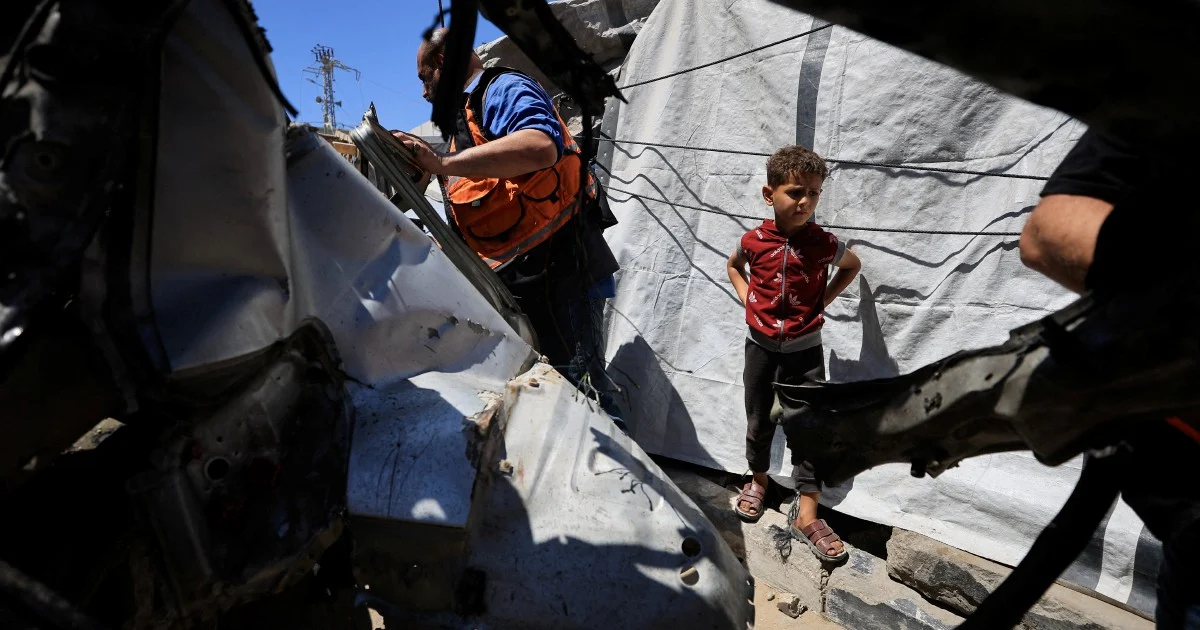
United Nations investigators have released a report accusing Israel of deliberately targeting Palestinian children as a systematic component of what they characterize as an ongoing genocide in Gaza. The findings, presented Tuesday from Geneva, represent among the most serious allegations levelled by the international body against Israeli military operations, centering on the vulnerability of the civilian population in the territory.
The UN investigation team, operating under international oversight mechanisms, documented patterns they argue demonstrate intent rather than incidental harm during military operations. This distinction proves crucial in international legal frameworks governing armed conflict, where deliberate targeting of civilians—particularly children—constitutes one of the most grave violations under international humanitarian law. The investigators contend that evidence of systematic harm to minors points toward a coordinated approach rather than isolated incidents resulting from combat conditions.
The characterization of events as genocide carries profound legal and moral weight under the Genocide Convention, one of the most serious determinations available within the international legal system. Such a designation requires proof of intent to destroy a group, in whole or in part, based on national, ethnic, racial, or religious identity. The UN panel's conclusion that deliberate child targeting forms part of this broader campaign represents a significant escalation in the international discourse surrounding the conflict and establishes a framework that other international bodies and legal institutions may reference in their own investigations.
The report arrives amid an extended humanitarian crisis that has drawn international concern from governments, aid organizations, and civil society groups. The Gaza territory, home to more than two million people, has experienced severe restrictions on movement of goods and civilians, contributing to shortages of essential supplies including food, medical equipment, and fuel. The presence of extensive civilian infrastructure in close proximity to claimed military targets has become a central point of contention in assessments of proportionality and necessity under laws of armed conflict.
For Malaysian and Southeast Asian observers, the UN conclusions underscore broader questions about international accountability mechanisms and the consistency with which such instruments are applied across different conflicts and regions. Malaysia, as a Muslim-majority nation with active participation in UN bodies, has historically taken positions emphasizing Palestinian rights and international law compliance. The report provides a framework through which Malaysian policymakers and civil society can engage in discussions about international justice and the responsibilities of armed forces toward civilian populations.
Israeli officials have firmly rejected the accusations, disputing both the methodology employed by investigators and their conclusions. Israel maintains that its military operations target legitimate military objectives and that civilian casualties, while regrettable, result from the presence of such objectives within civilian areas used by armed groups. This fundamental disagreement over intentions and culpability reflects broader tensions about how military necessity and proportionality are evaluated in contemporary conflicts involving urban environments and non-state armed actors.
The investigation occurs within a context of significant military activity that has displaced large portions of Gaza's population and resulted in substantial casualties among both combatants and civilians. Humanitarian organizations operating in the territory have reported acute shortages affecting vulnerable populations, particularly children who face elevated risks from malnutrition, waterborne diseases, and trauma-related conditions. These conditions create an environment where even actions not directly intended to harm children may contribute to widespread suffering among minors.
The UN mechanism through which these conclusions were reached involves investigators from multiple nations working under commission to examine alleged violations of international humanitarian law and human rights law. Their independence from direct political influence theoretically provides credibility, though both supporters and critics of Israel dispute the neutrality of international bodies examining the conflict. The composition of investigative teams, the evidence standards employed, and the political contexts surrounding their work remain subjects of intense debate.
Regional implications extend beyond Gaza itself, as international legal determinations about accountability shape broader security calculations across the Middle East and influence how armed forces throughout the region assess constraints on their operations. States in Southeast Asia, while geographically distant, maintain economic relationships and security partnerships across multiple regions and must therefore track developments in international law that could eventually establish precedents affecting their own interests. The report's emphasis on systematic harm to children also resonates with international efforts to strengthen protections for vulnerable populations in conflict zones worldwide.
The UN conclusions will likely influence discussions at multiple international forums, including the International Criminal Court, which maintains ongoing investigations into allegations from the conflict. Different states may reference the report to justify particular diplomatic stances or support for different parties to the conflict. The findings contribute to an expanding body of documentation and analysis that will shape historical understanding of the conflict and inform discussions about compensation, reconciliation, and accountability mechanisms in any eventual post-conflict period.
Moving forward, the report's impact will depend partly on whether other international bodies undertake parallel investigations and whether the conclusions influence decisions by states regarding aid, arms sales, diplomatic recognition, or participation in international institutions with Israeli involvement. The momentum generated by UN conclusions can either accelerate international legal proceedings or face resistance from states with significant strategic interests in the region. For observers throughout Southeast Asia, the unfolding situation demonstrates the complexities of international accountability and the challenge of translating investigative findings into concrete consequences under the current global governance system.