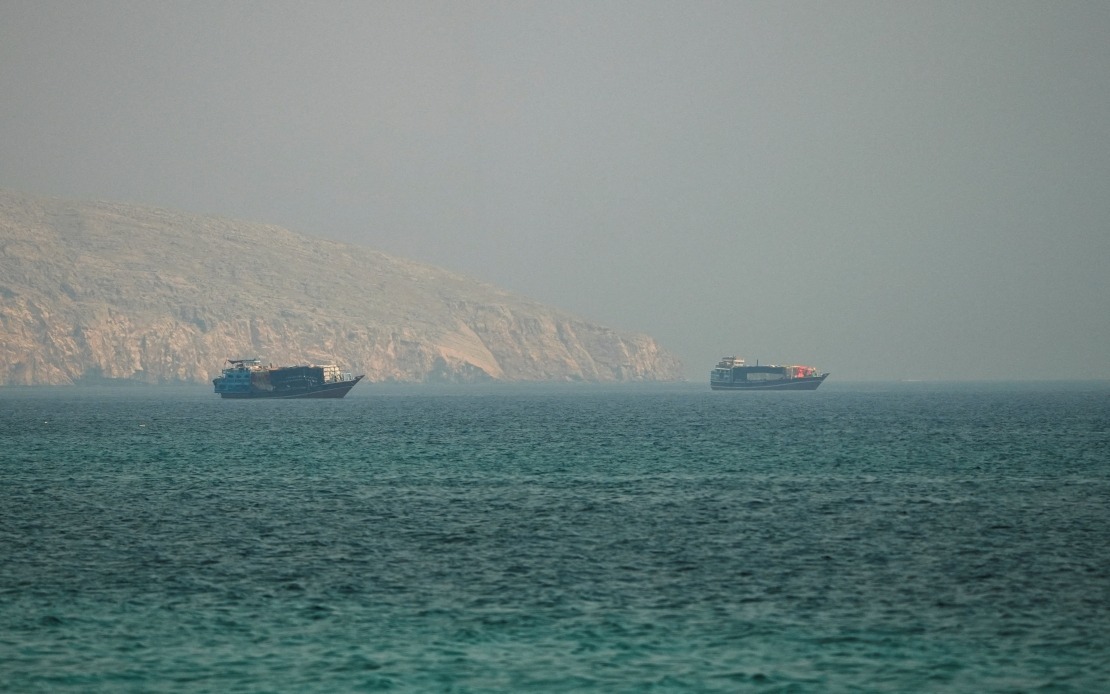
The United Nations' chief diplomat has intervened directly in the escalating military standoff between Iran and the United States, warning that further confrontation threatens not only regional stability but the global economy and international security architecture. Speaking through his office in Istanbul on Sunday, Antonio Guterres expressed profound alarm at the trajectory of recent events across the Persian Gulf, where a cycle of tit-for-tat military strikes has raised fears of uncontrolled escalation.
Guterres' intervention signals growing international anxiety about the potential consequences of sustained hostilities. His spokesperson Stephane Dujarric enumerated the specific incidents triggering concern: Iranian assaults on commercial shipping navigating the Strait of Hormuz, American military strikes targeting Iranian assets, and Iranian retaliatory operations against objectives in Iraq and other neighbouring states. Each incident has ratcheted up tensions, creating a precarious dynamic where miscalculation risks triggering open conflict.
The gravity of Guterres' language underscores the stakes at play. His characterisation of potential full-scale hostilities as producing "catastrophic consequences" reflects understanding that another regional war would dwarf previous conflicts in destructive scope. The humanitarian toll would be enormous, with civilian populations bearing the heaviest burden. Beyond human suffering, such a conflict would destabilise governments across the Middle East, potentially displacing millions and creating new epicentres of instability.
For Malaysian readers and Southeast Asian observers, the implications of unchecked Gulf escalation extend far beyond regional boundaries. The Strait of Hormuz remains one of the world's most critical maritime chokepoints, through which approximately one-third of global seaborne traded oil passes. Disruption to shipping through these waters directly impacts energy security and prices across Asia, where nations from Japan to Indonesia depend heavily on Gulf petroleum imports. Any expansion of Iranian attacks on commercial vessels or American countermeasures would inevitably disrupt this vital trade artery.
The UN chief's explicit demand that both Tehran and Washington prioritise diplomatic engagement represents a recognition that military solutions have demonstrably failed to resolve underlying grievances. The current cycle began when the United States withdrew from the 2015 nuclear agreement, formally known as the Joint Comprehensive Plan of Action, and reimposed comprehensive economic sanctions on Iran. Iranian leadership responded with incremental breaches of the accord's technical provisions, eventually leading to the current military escalations.
Guterres' call for restoration of full freedom of navigation in the Strait of Hormuz addresses immediate practical concerns but also signals the UN's commitment to upholding principles of international maritime law. Commercial vessels traversing these waters have legitimate rights under international convention, and their safety constitutes a universal interest transcending geopolitical divisions. The recurring attacks and threats have already prompted shipping companies to demand higher insurance premiums and reroute cargo through longer, more expensive passages around Africa.
The appeal for maximum restraint from all parties reflects diplomatic consensus that escalation benefits no stakeholder. While Iran faces crippling economic sanctions limiting its policy options, and the United States possesses military superiority that might tempt further strikes, both nations ultimately depend on regional and global stability for prosperity. The economic costs of military confrontation, from oil price volatility to disrupted supply chains, ultimately harm ordinary citizens across the world, including in developing economies throughout Southeast Asia.
Guterres' intervention carries weight because the United Nations, despite its limitations, remains the only institution with genuinely universal membership and mandate. His voice represents not merely one nation's position but international consensus that further militarisation of Gulf disputes threatens global security. The Secretary-General's office functions as an early-warning system and mediating channel when bilateral relations have deteriorated beyond normal diplomatic engagement.
The diplomatic path forward outlined by Guterres requires both parties to accept compromises neither has yet signalled willingness to embrace. Iran would need to limit its regional military activities, while the United States would require political will to negotiate sanctions relief and return to multilateral agreements. Such negotiations prove extraordinarily difficult when domestic constituencies on both sides distrust the other's intentions and demand maximalist positions.
For Southeast Asia, the outcome of UN-led diplomatic efforts carries direct economic consequence. Malaysia, as a major shipping and petrochemical hub, experiences particularly acute exposure to Gulf instability. Sustained uncertainty about maritime security and oil supplies impacts manufacturing costs, port operations, and economic growth across the region. Beyond economics, expanded Iranian-American conflict could trigger refugee flows and sectarian tensions affecting smaller nations throughout the Middle East and beyond.
The UN chief's emphasis on catastrophic consequences reflects sober assessment that previous regional conflicts have demonstrated the unpredictable nature of military escalation. Once major powers deploy military forces in proximity, misunderstandings, technical failures, or aggressive posturing can trigger exchanges neither side originally intended. The Iran-Iraq War, which devastated both nations and killed hundreds of thousands, began partly through miscalculation and escalation dynamics neither combatant fully controlled.
Guterres' plea for urgent return to negotiations represents the international community's last clear opportunity to prevent further deterioration. The window for diplomatic solutions narrows as military build-ups continue and nationalist rhetoric intensifies on both sides. Without rapid de-escalation and return to negotiating tables, the region faces drift toward wider conflict with reverberations across Asian energy markets and global supply chains that Malaysian businesses and consumers ultimately depend upon.

