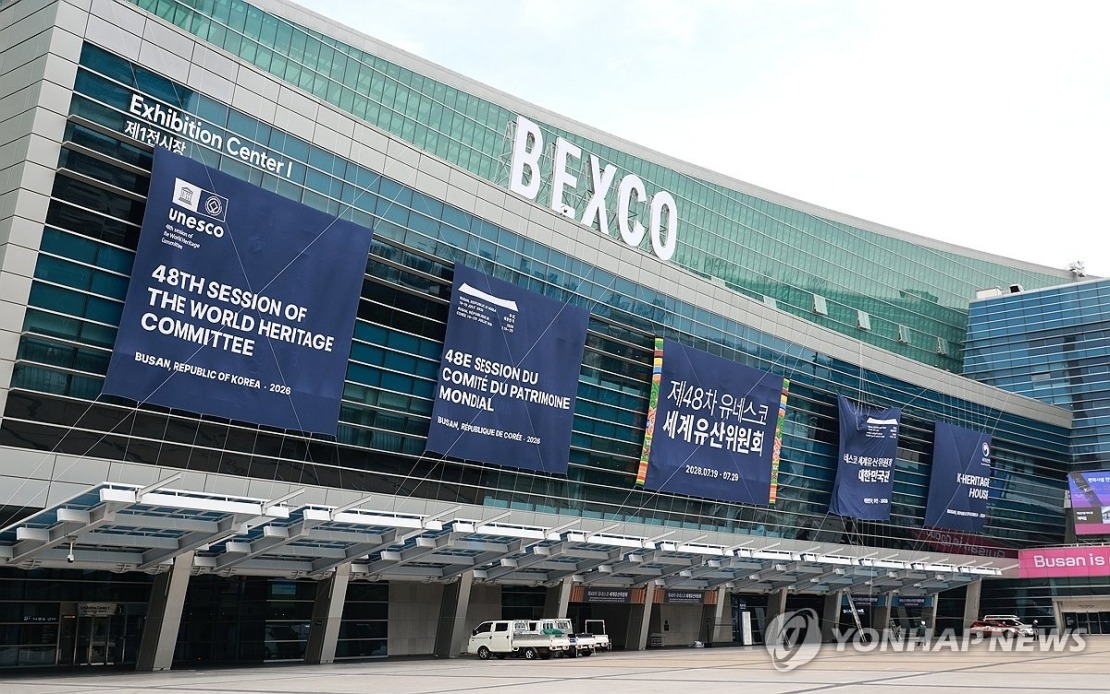
South Korea has taken the international spotlight as host nation for the UNESCO World Heritage Committee's annual gathering, a significant diplomatic achievement for the country which joined the World Heritage Convention in 1988. The 10-day session, opening on Sunday at the Busan Exhibition and Convention Centre, represents a milestone moment for Seoul's engagement with global heritage preservation mechanisms. The port city of Busan, situated roughly 330 kilometres southeast of the capital, will host what is expected to be one of the year's most substantial gatherings of international heritage experts and policymakers.
The gathering will bring together an estimated 3,000 participants representing an exceptionally broad constituency. Attendees will include official delegates from all 196 UNESCO member states, along with representatives from international organisations and non-governmental entities working across the heritage sector. This wide-ranging participation underscores the committee's role as a truly global forum where nations negotiate shared standards for protecting humanity's most treasured cultural and natural sites.
UNESCO's leadership has prioritised attendance at the Busan session, signalling the importance placed on this year's agenda. The Director-General Khaled El-Enany is scheduled to participate, alongside Assistant Director-General for Culture Nayef Al-Fayez and Lazare Eloundou Assomo, who heads the World Heritage Centre. Their presence at the Busan proceedings will ensure continuity between UNESCO's central governance structures and the committee's decision-making processes, allowing for direct engagement with member states on critical policy matters.
The World Heritage Committee functions as UNESCO's primary decision-making authority on matters concerning cultural and natural heritage worldwide. During its annual sessions, the committee evaluates applications from countries seeking World Heritage status for sites of exceptional significance. This inscription process carries profound implications for conservation resources, tourism development, and national prestige. Beyond reviewing new nominations, the committee monitors the condition of already-designated sites, identifying those facing deterioration or threat and recommending interventions.
For Southeast Asian nations including Malaysia, the Busan session holds particular relevance as a setting where regional heritage priorities can be advanced and discussed. Many ASEAN countries have significant World Heritage sites and ongoing conservation challenges that benefit from international attention and technical support. The committee's annual meetings provide platforms where developing nations can advocate for additional resources and expertise for protecting their cultural and natural treasures, while also learning from successful preservation models implemented elsewhere.
The agenda for this year's session will likely encompass substantive policy discussions regarding conservation standards, climate change impacts on heritage sites, and mechanisms for assisting nations with limited resources in maintaining their World Heritage properties. These discussions shape practical outcomes affecting heritage management globally. The committee must balance competing interests between preservation, sustainable tourism, and local community needs, making the deliberations undertaken in Busan consequential for heritage administrators across the region.
South Korea's hosting of this prestigious gathering reflects its standing within UNESCO and the broader international community. The decision to hold the committee session in Busan also provides opportunity for the host nation to showcase its own heritage conservation achievements and demonstrate its capacity to manage complex international assemblies. For South Korea, the occasion represents validation of its heritage preservation efforts and its commitment to the global conventions governing cultural protection.
The location itself carries significance within South Korea's heritage landscape. Busan, as a major port city with extensive historical layers, embodies the complexity of preserving contemporary urban centres while maintaining cultural memory. The choice to convene the World Heritage Committee in such a setting sends subtle messages about balancing heritage protection with economic development—a tension familiar across Southeast Asia where rapid industrialisation frequently competes with conservation priorities.
For Malaysian participants attending the Busan session, the gathering provides crucial opportunities for networking with international heritage specialists, learning about emerging preservation technologies and methodologies, and securing support for potential new World Heritage nominations. The Malaysian delegation can also contribute Southeast Asian perspectives to global debates about heritage conservation, drawing on the region's experience managing tropical ecosystems, multicultural heritage sites, and balancing heritage protection with development imperatives. These discussions will feed back into national heritage policy discussions in Malaysia and other ASEAN countries.
The broader policy discussions occurring in Busan will influence how UNESCO member states, including Malaysia, approach their heritage responsibilities over the coming years. Decisions made regarding conservation criteria, funding mechanisms for developing nations, and climate adaptation strategies for endangered sites will have ripple effects throughout regional heritage sectors. The committee's work in Busan thus extends far beyond South Korean borders, shaping the international framework within which each nation pursues its own heritage preservation goals.

