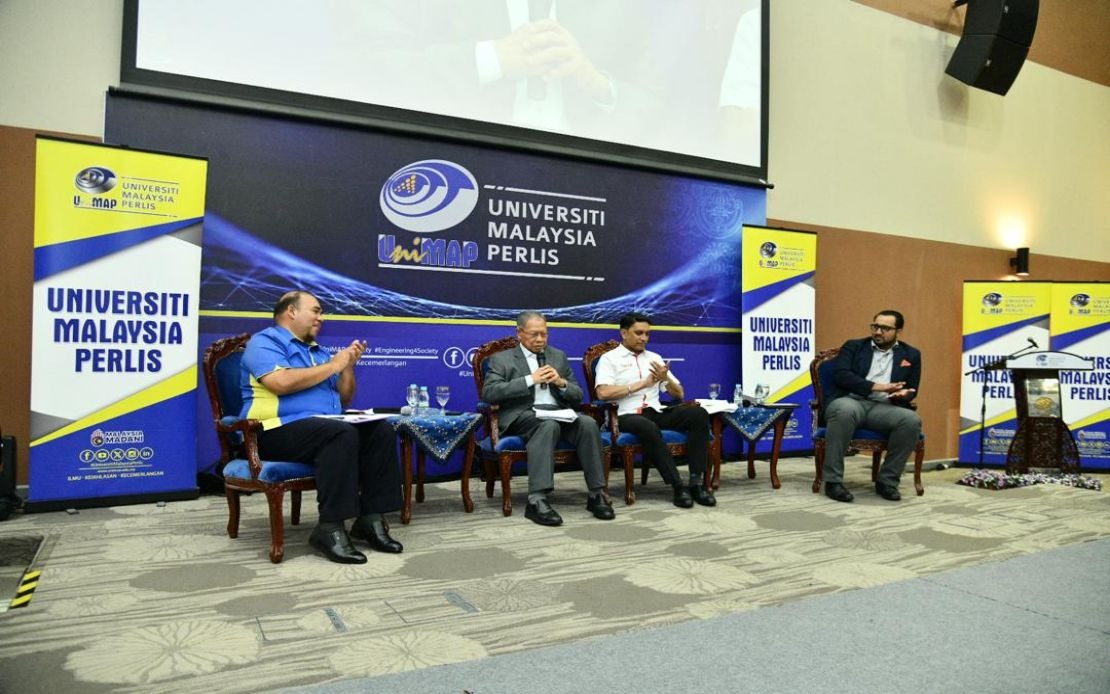
Universiti Malaysia Perlis (UniMAP) is emerging as a critical talent pipeline for Malaysia's semiconductor and electrical and electronics industries, graduating almost 2,000 skilled professionals annually to support the nation's technological ambitions. The Perlis-based institution plays a strategic role in realigning the country's workforce capabilities with the demands of a sector increasingly central to global economic competitiveness, according to comments made during a major industry forum held at the university.
The National Semiconductor Strategy (NSS) has set an ambitious target of producing 60,000 skilled workers and engineers by 2030, positioning Malaysia to sustain and expand its footprint in a rapidly evolving sector. UniMAP's substantial graduate output directly contributes to this national objective, with the university functioning not merely as an educational institution but as an active partner in Malaysia's broader economic transformation agenda. Datuk Prof Dr Zaliman Sauli, the university's Vice-Chancellor, underscored this institutional commitment during proceedings at the From Semiconductor Policy to Industry Forum: Driving Northern Malaysia's Transformation Towards a Global Technology Powerhouse, held in Arau.
Employment data compiled by UniMAP for 2024 and 2025 reveals that more than 30 per cent of the institution's graduates in electrical and electronics disciplines transition directly into positions within the E&E and semiconductor sectors. This placement rate reflects both the relevance of UniMAP's curriculum design and the genuine demand among employers for graduates possessing the specific technical competencies that the university develops. The figure demonstrates that Malaysia's higher education system, at least at this institution, is successfully calibrating its outputs to market needs—a challenge that has historically confronted developing economies attempting to build competitive semiconductor capabilities.
Malaysia's position within global semiconductor manufacturing has strengthened considerably, with the nation now recognised as the world's sixth-largest semiconductor exporter. The country accounts for seven per cent of worldwide chip trade and commands a 13 per cent share of the global Assembly, Testing and Packaging (ATP) market. These metrics underscore why workforce development has become a strategic priority. As semiconductors have become foundational to digital economies worldwide, powering everything from consumer devices like smartphones to emerging technologies including artificial intelligence, electric vehicles, and data centre infrastructure, the ability to maintain an adequate supply of trained personnel has become critical to Malaysia's competitive positioning.
The semiconductor industry's rapid expansion and technological complexity demand a workforce that extends far beyond manufacturing operatives. Engineers, technicians, process specialists, and systems professionals with advanced qualifications are essential to sustaining manufacturing excellence and innovation. UniMAP has recognised this requirement and structured its educational initiatives accordingly, creating pathways that allow students to develop both theoretical understanding and practical expertise applicable to modern semiconductor facilities.
To strengthen its role as a talent developer, UniMAP has implemented a multi-faceted engagement strategy with the private sector and government agencies. Industry-on-Campus programmes bring practising professionals and real-world challenges into the academic environment, allowing students to engage with authentic problems and expectations before entering employment. Industry Advisory Panels ensure that curriculum development remains responsive to evolving technical requirements and industry forecasting. The appointment of International Adjunct Professors introduces global best practices and cutting-edge knowledge into the classroom, while industry-recognised professional certification programmes equip graduates with credentials that enhance employability within internationally competitive labour markets.
The northern Malaysian region, where UniMAP is situated, has historically played a significant role in Malaysia's electronics manufacturing ecosystem. The university's focus on semiconductor and electronics education aligns with efforts to position northern Malaysia as a technological hub capable of competing globally. During the forum, speakers including Northern Corridor Implementation Authority Chief Executive Datuk Mohamad Haris Kader Sultan and former International Trade and Industry Minister Datuk Seri Dr Mustapa Mohamed discussed strategies for leveraging northern Malaysia's existing industrial base, geographic positioning, and emerging institutional capabilities to attract high-value semiconductor activities and related investment.
Micron Technology Inc, one of the world's leading semiconductor manufacturers with significant operations in Malaysia, was represented at the forum by its Head of Government and Public Affairs Ahmed Zaki Moten. The presence of major multinational semiconductor companies in discussions about Malaysia's workforce development reflects the industry's stakes in ensuring that educational institutions produce graduates meeting global manufacturing standards. These companies employ thousands of Malaysian workers and have trained them to perform roles requiring considerable technical sophistication.
The collaborative framework articulated by UniMAP's leadership—involving government, universities, and industry—addresses a fundamental challenge facing countries attempting to build competitive semiconductor sectors. Isolated efforts by any single actor, whether educational institutions operating independently of industry needs, companies training workers without long-term pipeline development, or government policies disconnected from operational realities, typically fail to produce sustainable results. UniMAP's approach suggests recognition that successful workforce development requires integrated coordination across these stakeholder groups.
Looking forward, Malaysia's ability to retain and expand its semiconductor export position depends substantially on generating sufficient numbers of appropriately trained professionals. The NSS's 2030 target of 60,000 skilled workers represents a significant expansion from current levels, requiring sustained effort across multiple educational institutions, systematic curriculum enhancement, and continuous dialogue between educators and employers about evolving technical requirements. UniMAP's nearly 2,000 annual graduates represent a meaningful contribution, though meeting the broader national target will require comparable efforts across Malaysia's network of public and private higher education institutions.
The strategic importance of semiconductor manufacturing to Malaysia's medium and long-term economic prospects continues to elevate workforce development from a routine educational matter to a question of national economic security. As global supply chains stabilise following recent disruptions and as countries compete intensively to attract semiconductor investment and capability development, Malaysia's success in producing a steady stream of qualified professionals will significantly influence its attractiveness to multinational investors and its capacity to build domestically-owned technological capabilities. UniMAP's contributions to this effort, while substantial, operate within this broader national imperative.

