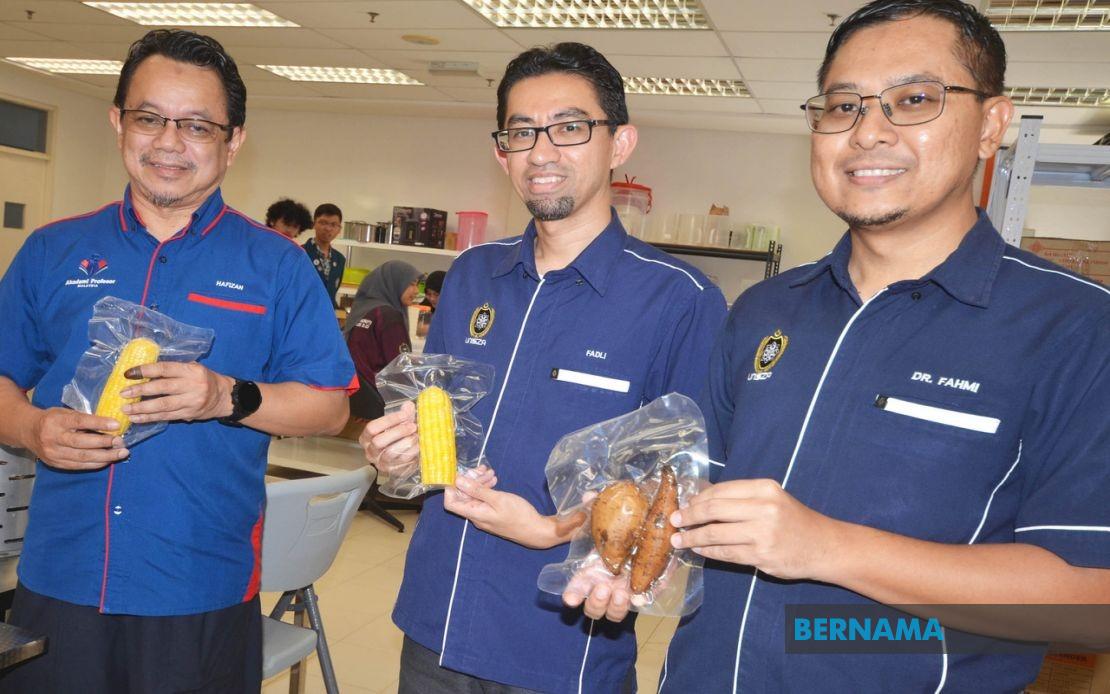
Universiti Sultan Zainal Abidin (UniSZA) is addressing a critical challenge facing farmers in Terengganu's Besut district through an innovative community kitchen initiative that transforms surplus agricultural produce into marketable value-added goods. The Dapur Komuniti programme, anchored at the university's Besut campus alongside a Sustainable Community Farm, represents an integrated response to the persistent economic pressures farmers face when their harvests exceed local demand or fail to reach wider markets profitably.
The core problem that prompted this initiative stems from structural inefficiencies in how Besut farmers connect their output to customers. Prof Dr Hafizan Juahir, dean of the faculty overseeing the project, emphasises that local producers encounter substantial obstacles when attempting to market their crops directly. Middlemen capture significant value along the supply chain, leaving farmers with dramatically reduced returns. The disconnect between what farmers receive at the farm gate and what consumers ultimately pay reveals how little economic benefit reaches agricultural communities despite robust final-market demand.
The pricing disparities are stark and illustrative. Sweet potatoes grown in Besut previously sold for less than RM2 per kilogramme at source, yet the same produce commanded substantially higher prices when retailed in Kuantan or major urban centres like Kuala Lumpur. This gap—driven by logistical constraints, inadequate digital marketing presence among individual farmers, and limited bargaining power against consolidated traders—has systematically disadvantaged local producers. The consequences extend beyond lost income; unsold produce rots in fields or storage, compounding losses and breeding frustration within farming communities.
Dapur Komuniti directly addresses this waste through product innovation and value addition. The kitchen converts unmarketable fresh produce—damaged, misshapen, or surplus fruits and vegetables—into shelf-stable alternatives that command premium prices. A signature success involves the pickled Terengganu Sweet Melon, which utilises lower-grade melons destined for disposal. Rather than discarding substandard stock, the facility transforms it into a branded product with extended shelf life, creating dual benefits: farmers recover income from produce they would otherwise lose entirely, while consumers access affordable processed goods. This circular approach reduces agricultural waste while generating fresh revenue streams for communities that have historically borne the costs of oversupply.
Beyond immediate product development, the initiative functions as a comprehensive training hub. UniSZA provides hands-on instruction in food processing, value-added product development, and small-scale manufacturing techniques to local residents, particularly farmers seeking to diversify income and reduce dependency on volatile fresh-produce markets. By equipping producers with technical skills in food safety, preservation, and packaging, the university enables farmers to become processors themselves, capturing more of the final retail value rather than surrendering it to middlemen or wholesalers.
The university is pursuing formal accreditation that would elevate the kitchen's educational mission significantly. Discussions with the Department of Skills Development aim to designate Dapur Komuniti as an officially recognised centre for the Malaysian Skills Certificate (SKM) in food processing. Such designation would allow UniSZA students to exit their degree programmes holding both bachelor's qualifications and industry-recognised SKM Level 3 credentials, substantially improving employment prospects and earning potential. The dual-certification pathway addresses a persistent disconnect between academic training and workplace readiness in Malaysia's labour market, particularly in rural and agricultural sectors.
The initiative's scope extends beyond university students and professional farmers. Prof Dr Hafizan notes that Malaysian Armed Forces veterans represent an important target demographic. Armed forces retirees often face challenges reintegrating into civilian employment, particularly in regions distant from urban job centres. By equipping veterans with practical food-processing skills and supporting them to establish small value-addition enterprises, the programme creates viable post-retirement income opportunities while deploying human capital that might otherwise remain underutilised. This dimension transforms the community kitchen into a social welfare and economic development instrument addressing multiple policy objectives simultaneously.
The Besut context adds particular relevance to this initiative. Terengganu remains predominantly agricultural, with rural communities heavily dependent on farming for livelihoods. Yet agricultural income remains volatile and insufficient for many households. Regional development policies have historically struggled to attract manufacturing investment or service-sector employers to peripheral areas, leaving farmers with limited economic alternatives. By anchoring value-addition infrastructure directly within agricultural communities, UniSZA reduces the need for produce to travel to distant cities for processing, keeping employment and profits locally distributed while strengthening rural economies from within.
This model carries implications that extend well beyond Besut itself. Throughout Malaysia and Southeast Asia, agricultural regions face similar challenges: oversupply during peak harvests, weak bargaining positions against consolidated middlemen, limited market information, inadequate infrastructure for value addition, and persistent outmigration of younger residents seeking urban employment. UniSZA's approach—combining university research capacity with community-based processing facilities, formal skills certification, and direct market linkages—suggests a replicable template that agricultural states like Terengganu, Kedah, and others might adopt to strengthen rural economies while reducing post-harvest losses that currently constitute a significant drag on agricultural productivity.
The research dimension underpinning Dapur Komuniti deserves emphasis alongside its practical outputs. By systematically studying which products work best, which preservation techniques maximise shelf life, and which market positioning strategies generate sustainable demand, the facility generates evidence-based insights that improve food innovation outcomes. The stated goal of extending shelf life to beyond one year represents a substantial achievement with direct commercial value, particularly for export-oriented producers seeking to access regional and international markets where logistics demand products withstand extended transit times.
Looking forward, successful implementation depends on consistent quality control, robust market development supporting the pickled melon and other products, and farmer participation rates that justify continued institutional investment. The SKM accreditation pathway, once secured, would significantly enhance the programme's sustainability by creating genuine commercial value from certification that employers throughout Malaysia's food and hospitality sectors recognise and reward. If UniSZA can demonstrate that community kitchen training translates into measurable income improvements for participating farmers and graduates, the initiative could evolve into a flagship model showcasing how universities contribute to rural development and agricultural modernisation beyond traditional academic roles.

