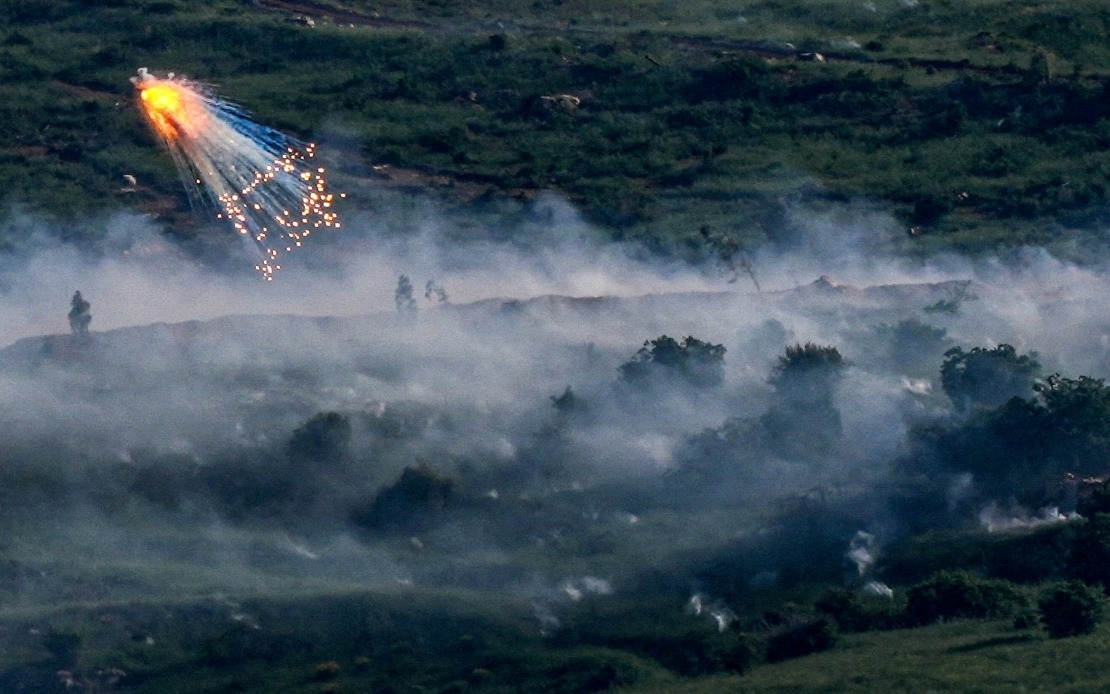
The United States has issued formal travel warnings instructing its citizens to refrain from visiting Lebanon and the northern regions of Israel, as officials cite mounting instability across the broader West Asia region. The advisories, released through diplomatic missions in both Beirut and Jerusalem, reflect deep concerns about the potential for rapid deterioration in an already fragile security environment that shows troubling signs of unpredictable escalation.
The US Embassy in Beirut articulated its position clearly, emphasising that the volatile atmosphere stemming from high tensions throughout West Asia has created conditions where the security landscape remains unstable and unpredictable. Officials stressed that beyond the immediate threat picture, unforeseen developments could rapidly worsen circumstances for foreign nationals in the country, prompting the decision to discourage all non-essential travel.
Simultaneously, the American diplomatic post in Jerusalem released parallel guidance that expanded the scope of the warning to encompass Gaza, the northern territories of Israel, and zones adjacent to the Egyptian border with specific exceptions. The Jerusalem embassy specifically cautioned that Americans should reconsider all travel plans affecting the broader West Asia region, signalling that risks extend well beyond the immediate conflict zones and touch upon wider regional dynamics.
The timing of these warnings reflects ongoing volatility characterising the relationship between the United States and Iran, which have engaged in reciprocal military actions despite diplomatic efforts aimed at de-escalation. In June, Pakistan facilitated the negotiation and signing of a memorandum of understanding between Washington and Tehran, an accord designed to terminate their escalating conflict and establish foundations for sustained peaceful coexistence. However, subsequent military exchanges between the two powers suggest that underlying tensions remain unresolved and that the diplomatic breakthrough has yet to take firm hold.
For Malaysian travellers and residents, these developments carry particular significance given Malaysia's geographic proximity to potential flashpoints and its substantial expatriate communities throughout West Asia. Many Malaysians work in Lebanon, Israel, and surrounding territories in professional capacities, rendering such warnings directly relevant to thousands of nationals living and working in the region. The advisory effectively complicates travel and mobility arrangements for Malaysians with family, business, or employment ties across the affected zones.
The broader context involves escalating proxy competition between regional powers competing for influence and strategic positioning. West Asia has witnessed intensifying security incidents, militant activities, and cross-border military operations that have periodically disrupted civilian life and created unpredictable circumstances for international visitors. Intelligence assessments suggest that the current phase of tension carries genuine risks of unintended escalation stemming from miscalculation or opportunistic action by non-state actors exploiting the volatile environment.
Lebanon specifically faces compounded challenges beyond the regional security picture. The country has endured economic collapse, political dysfunction, and the presence of armed groups operating with varying degrees of autonomy from state control. These domestic factors, when combined with external regional pressures, create conditions where normal civil administration becomes difficult and where foreign nationals may encounter obstacles to consular assistance during emergencies.
The northern regions of Israel have experienced periodic security incidents and continue to host military installations that potentially make them targets during periods of heightened regional tension. The proximity of these areas to borders with nations experiencing instability compounds the risk calculus that American officials have evaluated in issuing their advisory.
Diplomatic warnings of this nature typically represent relatively conservative assessments designed to prioritise citizen safety over minimising economic and political disruption. When multiple American embassies simultaneously issue such advisories, it signals that the underlying threat assessment reflects consensus among security professionals rather than isolated concerns. Malaysian authorities will likely monitor whether other nations' diplomatic missions issue comparable guidance, as coordinated warnings often precede deterioration in security conditions.
The Pakistan-brokered memorandum signed in June represented a significant diplomatic achievement, yet the continued exchange of attacks between American and Iranian forces suggests that underlying sources of tension have not been fundamentally resolved. The memorandum apparently addressed immediate escalation triggers but may not have tackled the deeper strategic competition and mutual suspicions that continue driving hostile actions and rhetoric.
For Southeast Asian nations including Malaysia, these regional developments underscore the importance of maintaining strong diplomatic channels and contingency planning regarding expatriate protection. Regional organisations and bilateral relationships become particularly valuable during periods of instability, enabling coordinated evacuations and assistance to nationals caught in affected areas. Malaysia's experience in managing its overseas communities during previous regional crises provides valuable institutional knowledge for responding to evolving circumstances.
The warnings also reflect broader calculations about the trajectory of West Asia over coming months. American officials appear to be signalling that they anticipate sustained elevated tensions rather than near-term resolution, suggesting a preparedness for protracted instability rather than temporary disruption. This assessment carries implications for regional security planning, investment decisions, and the operations of multinational corporations with regional interests.

