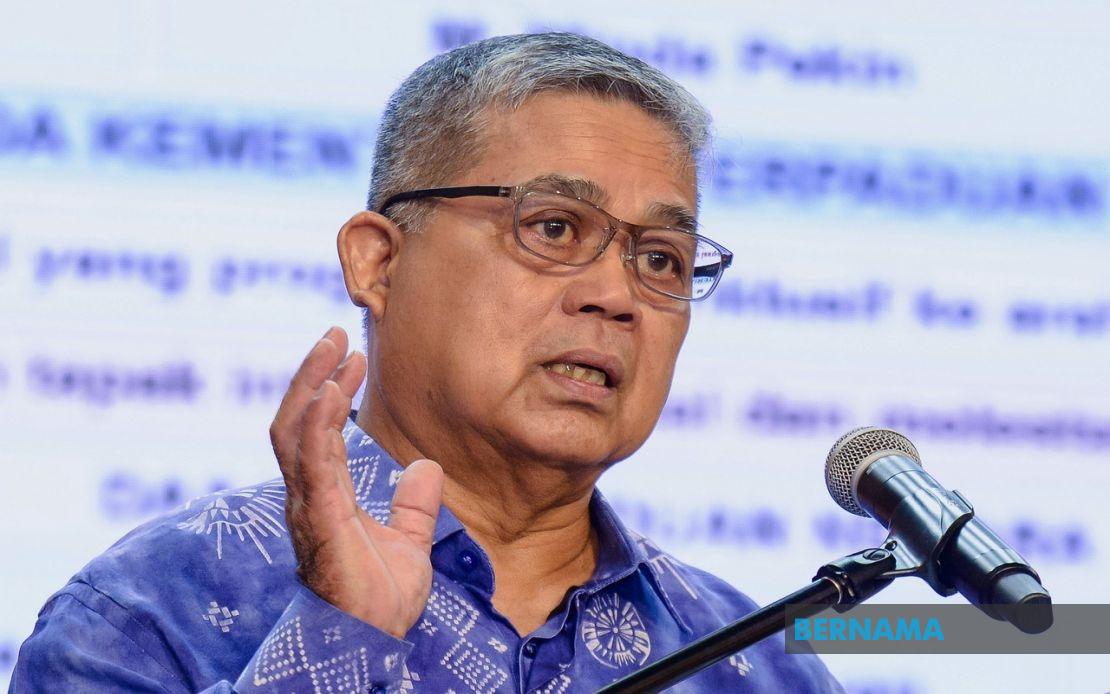
Malaysia's National Unity Ministry has set an ambitious target of producing 1,280 certified community mediators by the end of the decade, marking a significant push to institutionalise peaceful dispute resolution across the nation. Minister Datuk Aaron Ago Dagang unveiled the initiative as part of the ministry's broader strategy to strengthen community conflict management and embed a culture of negotiation and understanding among Malaysians, underpinned by the aspirations of the 13th Malaysia Plan which prioritises social unity through inclusive and sustainable approaches to resolving disputes.
The mediator recruitment and training programme represents a deliberate departure from traditional litigation-heavy approaches to managing community conflicts. By positioning mediation as a primary mechanism for resolving disputes, the National Unity Ministry is effectively reshaping how ordinary Malaysians address disagreements that might otherwise consume time and resources through the courts. The emphasis on trained, certified mediators reflects a recognition that many community disputes—ranging from neighbourhood quarrels to business disagreements—can be resolved more swiftly and amicably when neutral third parties facilitate dialogue between parties.
Central to this initiative is the establishment of 12 new community mediation centres by 2027, each strategically positioned to maximise accessibility for Malaysians across different regions and demographics. The identified locations—spanning from Sabah and Sarawak in Malaysia's east to urban centres like Kuala Lumpur and Shah Alam, and rural areas including Machang, Kelantan and Jasin, Melaka—suggest a deliberate effort to ensure that mediation services are not concentrated in the Klang Valley or other densely populated urban zones. This geographic distribution is crucial for equity, as residents in peripheral regions often face barriers in accessing government services.
One of the most compelling aspects of the programme is its cost structure. All mediation services operate on a pro bono basis, with no charges levied against the public. This removes financial barriers that might otherwise discourage lower-income Malaysians from seeking professional dispute resolution, potentially widening access to justice and conflict management tools across socioeconomic lines. The free-of-charge model also reflects a philosophical commitment to treating social harmony as a public good rather than a market commodity.
The initiative aligns with broader regional trends in Southeast Asia, where several countries are increasingly investing in alternative dispute resolution mechanisms as their judicial systems face mounting caseloads. Thailand, Indonesia, and Singapore have all expanded community mediation and arbitration frameworks in recent years, recognising that court systems alone cannot efficiently handle the volume of civil disputes arising from urbanisation and economic development. Malaysia's strategic embrace of this approach positions it alongside regional leaders in progressive conflict management policy.
For Malaysian businesses and communities, the expansion of mediation infrastructure carries practical implications. Small and medium-sized enterprises frequently encounter contractual disagreements, commercial disputes, and employment-related conflicts that could be resolved faster outside formal courts. By embedding 12 new mediation centres into community spaces—many located within local councils, neighbourhood associations, and community activity centres—the ministry is making professional dispute resolution a neighbourhood service rather than a bureaucratic hurdle. This proximity matters considerably for grassroots conflict prevention.
The training and certification of 1,280 new mediators also signals investment in human capital development within the justice and community relations sectors. Mediators require substantial training in communication, psychology, conflict theory, and ethical practice. By targeting nearly 1,300 new certified practitioners, the ministry is creating employment pathways and professional development opportunities while simultaneously building institutional capacity. These mediators could eventually form a network of trained professionals available not only through official centres but potentially through corporate, education, and civil society channels.
The programme's success will partly depend on public awareness and utilisation rates. Malaysians accustomed to viewing court litigation as the default dispute resolution pathway may require sustained education campaigns explaining the benefits of mediation—its confidentiality, speed, cost-effectiveness, and capacity to preserve ongoing relationships. The National Unity Ministry will need to partner closely with local councils, community leaders, and grassroots organisations to embed mediation awareness into neighbourhood consciousness and ensure that residents know where and how to access these services.
The connection to the Malaysia MADANI framework—the government's broader vision for a harmonious, united and prosperous society—suggests that the mediation initiative is not merely a technical programme but ideologically central to the government's social cohesion agenda. In an era of social fragmentation, polarisation, and online-amplified conflict, community-level mechanisms for resolving disputes take on heightened importance. By institutionalising mediation at the grassroots level, the ministry is attempting to create structural safeguards against disputes escalating into broader social divisions.
Implementation challenges will inevitably emerge. Recruiting, training, and maintaining the quality of 1,280 certified mediators requires sustained funding, institutional coordination, and quality assurance mechanisms. The ministry must establish standardised training curricula, certification procedures, and ongoing professional development requirements to ensure that mediators across different regions maintain consistent competence and ethical standards. Without robust oversight, a poorly trained mediator could damage public confidence in the entire system.
The geographic spread of new centres also raises questions about resource allocation and administrative capacity. Each centre will require physical infrastructure, administrative staff, and logistical support beyond the mediators themselves. The ministry's partnerships with local authorities become critical; without genuine commitment and resourcing from state and local governments, some centres may exist only nominally on paper rather than functioning as accessible community resources.
Looking forward, the 2030 target provides a measurable benchmark for assessing progress, allowing the public and oversight bodies to track whether the ministry is meeting its commitments. If successfully implemented, the programme could serve as a model for other government ministries seeking to address social issues through community-based, professional interventions rather than top-down enforcement. The initiative also opens possibilities for future expansion—training mediators not only in civil disputes but in family matters, workplace conflicts, and neighbourhood grievances could progressively transform Malaysia's entire approach to managing social friction.

