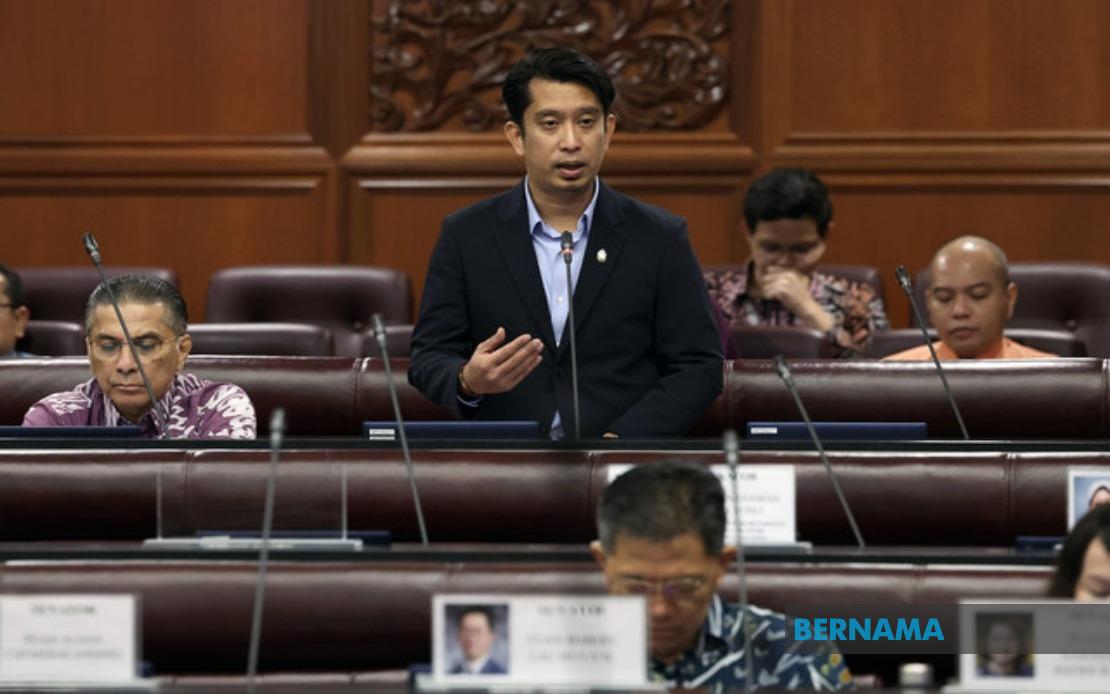
Higher learning institutions across Malaysia possess the power to terminate industrial training placements and bring students back immediately whenever safety hazards come to light, according to Deputy Higher Education Minister Adam Adli Abd Halim. The minister made this clarification during parliamentary proceedings at the Dewan Negara, emphasizing that such protective measures can be activated either on the basis of assessments conducted by the universities themselves or following direct reports from students themselves that warrant swift intervention.
The statement comes in response to mounting concerns about workplace safety during student internships, particularly after the fatal incident involving a Universiti Putra Malaysia (UPM) student who lost his life on June 16 while carrying out maintenance operations at Saujana 1 water tower in Kuala Selangor. Senator Che Alias Hamid raised the matter during question time, pressing the government on what mechanisms exist to ensure companies hosting student placements maintain adequate safety standards and protocols. This tragedy has reignited debate about the adequacy of oversight in Malaysia's industrial training ecosystem.
Adam Adli acknowledged the gravity of such incidents, stating that authorities deeply regret any accidents befalling students engaged in industrial training. He underscored that the government has been working continuously to strengthen its monitoring infrastructure and refine reporting channels available to students and institutions alike. These efforts reflect a broader recognition that the current system requires evolution to address vulnerabilities that have become apparent through real-world incidents.
The deputy minister outlined a multi-layered approach to student safety that begins well before placements commence. Universities are now expected to conduct significantly more rigorous evaluations of prospective host organizations, examining their documented safety track records, previous incident reports, and overall industry reputation. This pre-placement vetting process serves as the first critical checkpoint in the protection pipeline, ideally filtering out organizations with problematic histories or inadequate safety cultures before students ever arrive on site.
For placements in inherently dangerous sectors—such as construction, manufacturing, chemical processing, and water treatment—the standards become even more stringent. Adam Adli stipulated that students may only be assigned to organizations that demonstrate full compliance with established safety requirements and possess comprehensive, functioning safety management systems. This tiered approach recognizes that not all industrial environments carry equivalent risk profiles and that safeguards must scale accordingly.
Before entering any high-risk workplace, students must have already completed specialized safety training courses and obtained relevant certifications specific to their assigned roles. This educational foundation ensures that students understand the particular hazards they will face and know appropriate response protocols. Beyond formal certification, universities must provide all industrial training participants with structured briefings and preparatory sessions addressing workplace safety fundamentals, health protocols, hazard identification, proper use of personal protective equipment, emergency response procedures, and the mechanisms for reporting unsafe conditions or incidents. This comprehensive induction aims to build both knowledge and awareness among student trainees.
Monitoring mechanisms operate continuously throughout the placement period to detect emerging problems. Academic supervisors assigned by universities and industry supervisors provided by host organizations maintain regular contact through scheduled physical visits where possible, supplemented by virtual check-ins when necessary. Staff review student progress reports systematically and sustain ongoing communication channels, allowing early warning signs of safety lapses or concerning workplace practices to surface before they escalate into serious incidents. This dual supervision structure creates overlapping accountability between educational institutions and employers.
The financial dimension of student safety also received emphasis in Adam Adli's remarks. All industrial training students automatically receive protection through the University Group Insurance Scheme, which covers medical expenses and compensation should accidents or adverse incidents occur during their training assignments. This insurance framework provides both immediate relief for affected students and families and establishes a documented record of incidents that feeds back into institutional learning and policy refinement.
For Malaysian universities managing large cohorts of students in industrial training placements across diverse sectors, these directives represent both obligation and opportunity. The enhanced pre-placement assessment requirements, mandatory safety training, and intensified monitoring protocols will increase administrative burden but potentially prevent tragedies that damage institutional reputation and cause immeasurable human suffering. Universities must now invest in dedicated staff capable of conducting thorough organizational safety audits and maintaining systematic oversight of student progress throughout placement periods.
The policy framework also carries implications for Malaysian employers hosting student trainees. Companies will face heightened expectations regarding safety documentation, systems certification, and responsiveness to university supervision. Those organizations committed to safety excellence will find the standards manageable; those operating with complacency or cutting corners may find themselves unable to participate in Malaysia's industrial training pipeline. This creates market incentives for workplace safety improvements that extend beyond regulatory compliance into competitive advantage.
For students and their families, these measures offer meaningful reassurance that their institution takes workplace protection seriously and possesses tools to intervene when dangers emerge. The ability to withdraw placements signals that no training opportunity justifies exposure to unmanaged hazards. Yet the true test of these policies lies in implementation consistency across Malaysia's diverse higher education sector, from research universities to technical institutions, and in the willingness of educational leaders to exercise their withdrawal authority promptly when safety warning signs appear.

