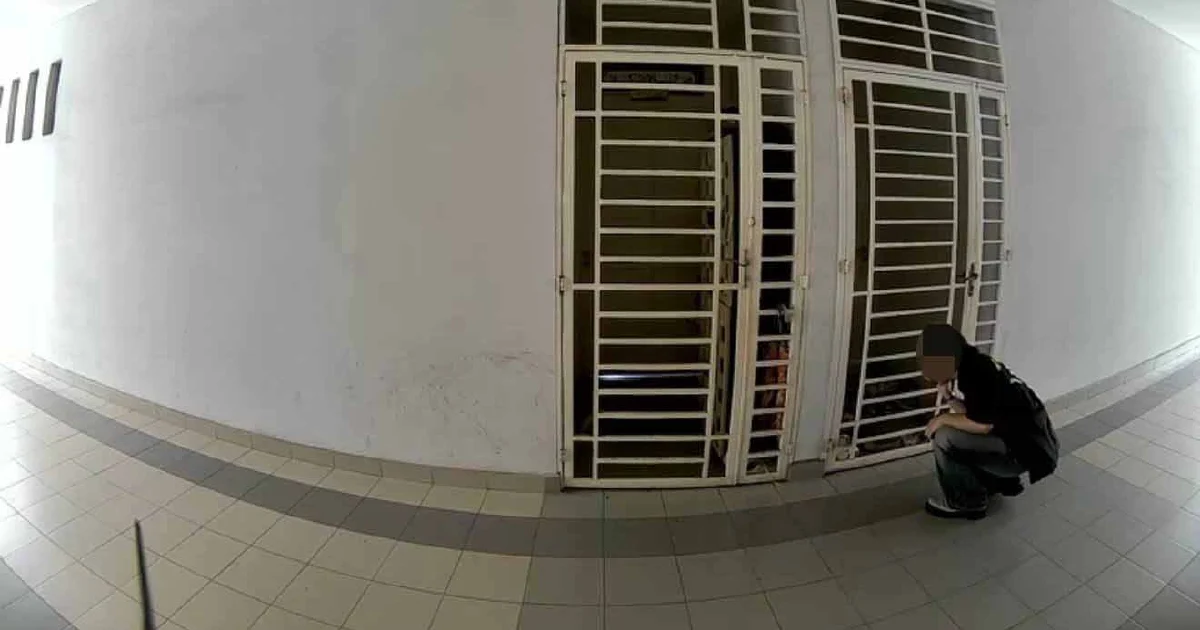
Police in Shah Alam have apprehended a student enrolled at a public university on suspicion of engaging in sustained harassment and stalking directed at a female fellow student. The alleged conduct reportedly commenced in April and continued for several months before authorities intervened. The arrest marks an escalation in campus safety incidents that have drawn increasing scrutiny from educational institutions and parents across Malaysia.
The accused remains in police custody while detectives carry out further investigations into the nature and extent of the alleged misconduct. Initial reports suggest the harassment took multiple forms, though specific details regarding the methods employed and frequency of contact remain undisclosed as the investigation progresses. Officers are examining communications records, witness statements, and other evidence to establish a comprehensive timeline of events.
This incident reflects broader concerns about interpersonal conduct and safety within Malaysian university campuses. Public institutions have faced mounting pressure to implement robust reporting mechanisms and support structures for students experiencing harassment. Many universities have strengthened their disciplinary frameworks in recent years, though advocates argue gaps remain in enforcement and victim protection protocols.
The case underscores the vulnerability of students navigating university environments where power dynamics and accessibility can complicate reporting processes. Victims of persistent harassment frequently delay coming forward due to fear of social ostracism, academic repercussions, or institutional dismissal of their concerns. Mental health professionals note that sustained stalking behaviour inflicts significant psychological harm, disrupting victims' academic performance and wellbeing.
University administrators have been increasingly emphasising consent education and bystander intervention training as preventative measures. However, enforcement of institutional conduct codes remains inconsistent across different campuses. Some institutions have established dedicated units to address harassment complaints, while others rely on general disciplinary committees that may lack specialised training.
The timing of this arrest coincides with heightened awareness surrounding campus safety following several high-profile cases across Southeast Asia. Student unions and parents' associations have collectively called for standardised protocols and enhanced transparency in how universities handle misconduct allegations. Many argue that current systems prioritise institutional reputation over victim safety.
Legal frameworks governing harassment and stalking in Malaysia include provisions under the Penal Code, though digital communication methods have created new complexities for law enforcement. The rise of social media and messaging applications means perpetrators can contact victims through multiple channels simultaneously, making evidence collection and prosecution increasingly technical.
Police have indicated they will pursue the investigation comprehensively, with potential charges depending on findings. The severity of allegations could invoke various legal provisions, ranging from criminal intimidation to more serious offences if behaviour escalated beyond harassment. The accused's legal representation will have opportunity to respond to charges during formal proceedings.
For the victim and her family, the arrest represents validation of her concerns and potentially marks the beginning of recovery. Support services through university counselling units and external organisations remain available, though many survivors report that institutional support often feels inadequate given the trauma experienced. Advocacy groups emphasise that recovery requires comprehensive psychological support extending well beyond the criminal justice process.
This case will likely influence how Malaysian universities approach future harassment reports. Administrators face mounting expectations to demonstrate swift, transparent responses that prioritise victim safety without compromising due process for the accused. The balance between protecting complainants and ensuring fair treatment remains challenging for institutions still developing appropriate frameworks.
Educational institutions across the region are increasingly recognising that addressing campus harassment requires multi-layered approaches encompassing prevention, reporting, investigation, and support. Training programmes for staff, peer mentoring initiatives, and clear communication about available resources represent essential components of comprehensive institutional strategies.
The outcome of this case may establish important precedents regarding how Malaysian authorities prosecute harassment and stalking offences in university contexts. Legal developments and institutional policy responses will be closely monitored by other campuses seeking to strengthen their own safety mechanisms and response protocols.

