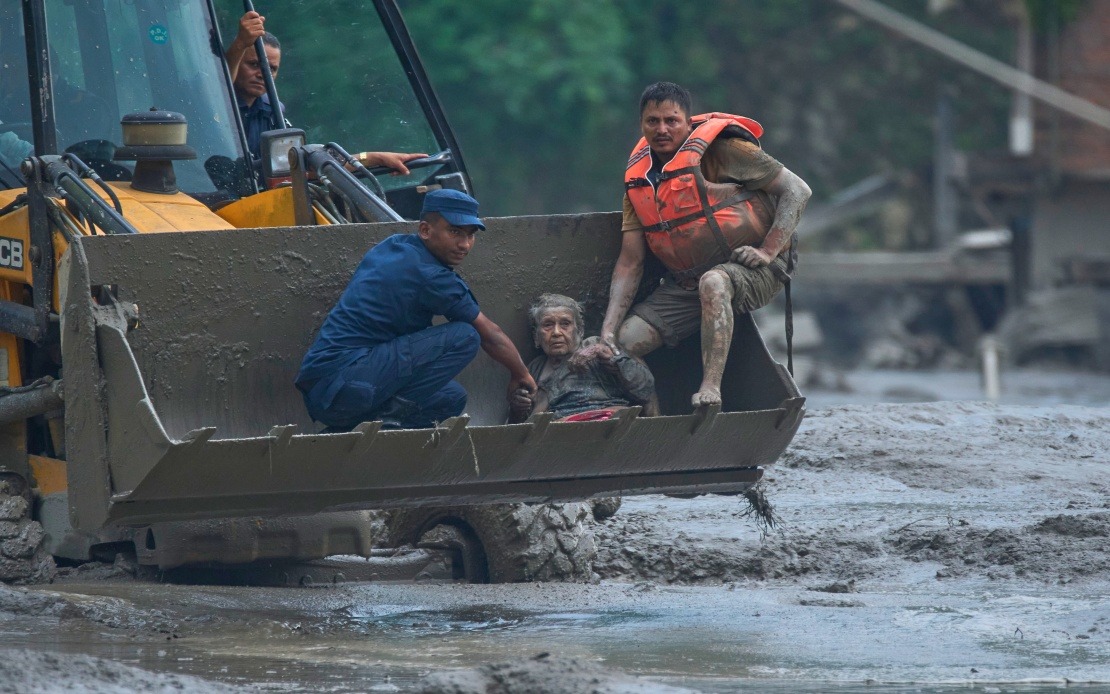
Nepal faces one of its most severe natural disasters in recent years following catastrophic flash floods and mudslides that swept through regions bordering China, prompting immediate pledges of international assistance from the United States and Canada. The two nations responded swiftly to the humanitarian crisis on Wednesday, with senior government officials expressing solidarity with affected Nepali communities and committing resources to support relief and recovery efforts.
Secretary of State Marco Rubio conveyed Washington's readiness to engage with Nepal's government on urgent humanitarian needs, signalling the State Department's willingness to coordinate aid delivery and technical support. The statement underscored America's commitment to assisting during the critical immediate aftermath of the disaster, when search and rescue operations remain ongoing and the full scope of damage continues to emerge. The expression of solidarity reflected broader diplomatic protocols through which Washington typically responds to major catastrophes in Asia, where such events have become increasingly frequent due to climate-related weather pattern shifts.
Canadian Prime Minister Mark Carney similarly characterized the situation as profoundly serious, acknowledging both the immediate human toll and the extended trauma faced by families awaiting news of missing relatives. His public statement recognized the emotional dimensions of the crisis beyond statistics, emphasizing Ottawa's readiness to contribute resources alongside international partners. The Canadian government's positioning as a willing contributor to relief efforts reflects Canada's historical engagement in Nepal and its stated commitment to supporting vulnerable nations during extreme weather events.
The human cost extends well beyond Nepal's borders, with significant numbers of Western nationals unaccounted for in the aftermath. Nepalese authorities have reported that approximately 47 United States citizens remain missing, while Canadian officials have documented 24 citizens among those unaccounted for. These figures highlight the international character of the disaster zone, likely encompassing tourism infrastructure and trekking regions popular with Western visitors. The concentration of foreign nationals in missing persons reports underscores how such natural disasters disproportionately affect areas frequented by international visitors.
While both Washington and Ottawa acknowledged the missing citizen reports from Nepalese authorities, neither government has independently verified the exact numbers through their own diplomatic channels. This cautious stance reflects standard protocol in international crises, where initial reports from affected governments may require clarification as situations stabilize and communication infrastructure recovers. The verification process typically involves consular staff working with local authorities to account for nationals and assess their status.
The broader catastrophe has demonstrated the devastating scale of environmental forces now confronting the Himalayan region with increasing regularity. Official estimates indicate at least 160 people have been confirmed dead, with more than 680 individuals reported missing across affected areas. These figures carry particular weight given that final casualty counts typically rise as rescue operations progress and remote areas become accessible to assessment teams. The missing persons total suggests that many bodies may remain unrecovered in inaccessible terrain or buried beneath debris.
The physical infrastructure damage reveals how comprehensively such disasters compromise development gains in vulnerable mountain regions. Thirteen hydropower projects suffered destruction, undermining Nepal's expanding renewable energy capacity and creating cascading effects for electricity supply across the nation. The loss represents not merely infrastructure replacement costs but also delays in development timelines and reduced revenue from energy generation. Additionally, approximately 40 kilometres of roads were rendered impassable, fragmenting transportation networks and complicating access to affected communities for rescue and medical personnel.
The destruction of roughly 200 trucks and 19 bridges represents a particularly severe blow to supply chains and commerce in affected regions. These transportation assets are critical for moving goods, enabling trade, and supporting livelihoods for populations dependent on commerce with broader Nepali markets. The loss of connectivity through bridge destruction may isolate communities for extended periods, limiting access to markets, medical facilities, and emergency services. Such infrastructure losses compound the immediate humanitarian crisis with longer-term economic consequences affecting regional development prospects.
The international response from the US and Canada presages broader multilateral engagement likely to follow as other nations and international organizations assess the scale of need. Nepal frequently receives assistance from numerous countries with historical ties and humanitarian interests in South Asia, and this catastrophe will almost certainly trigger a coordinated response from organizations including the United Nations, regional development banks, and numerous non-governmental organizations. The early positioning by Washington and Ottawa indicates they intend to play substantive roles in the relief and reconstruction phases ahead.
For Malaysia and Southeast Asian nations, this disaster carries reminders about vulnerability to extreme weather events intensifying across the Hindu Kush-Himalayan region, which supplies crucial water resources and influences monsoon patterns affecting the broader region. Climate scientists have increasingly documented how mountain regions experience disproportionate impacts from warming-driven weather extremes, suggesting that Nepal and similar territories may face escalating disaster frequencies. The experience of Nepali authorities in managing such catastrophes offers lessons for other nations in the region developing disaster response capacity.
The diplomatic expressions from the US and Canada also reflect how international assistance during natural disasters has become embedded within broader foreign policy frameworks and development relationships. Early commitment to support strengthens diplomatic ties, demonstrates humanitarian values to domestic audiences, and positions donor nations favorably for longer-term engagement in post-disaster recovery. For Nepal, accessing resources and expertise from established international partners remains essential for managing both immediate humanitarian needs and subsequent reconstruction challenges that will unfold over months and years.

