The United States and Jamaica have entered into a formal defence pact aimed at strengthening their combined response to drug trafficking and organized crime networks destabilizing the Western Hemisphere. The agreement, announced through US Southern Command, represents a significant deepening of bilateral security cooperation between Washington and Kingston as both nations confront the growing threat posed by transnational criminal organizations operating across maritime and terrestrial borders. The partnership capitalizes on decades of established military and intelligence-sharing frameworks, extending them into new operational domains as cartels evolve their methods and expand their territorial reach.
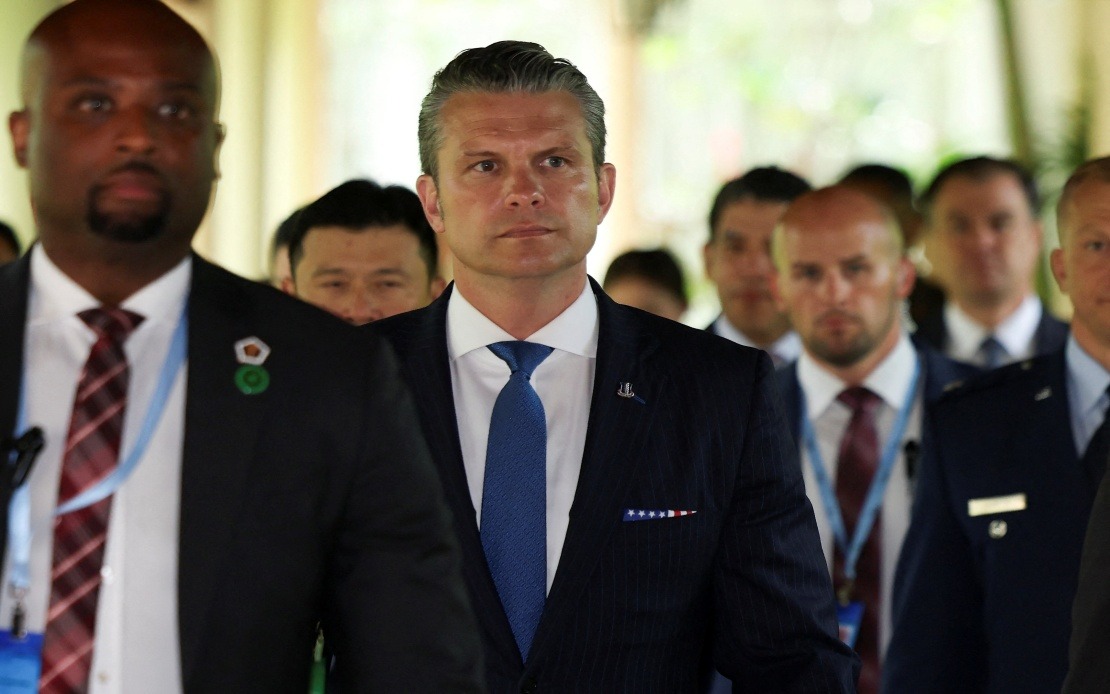
The accord was negotiated during meetings held in Panama in August, where US Defence Secretary Pete Hegseth convened with Jamaica's Deputy Prime Minister and Minister of National Security Horace Chang at the A3C anti-cartel forum. This diplomatic engagement reflected broader American strategy to forge multilateral defence arrangements with Caribbean partners, who bear the immediate brunt of drug trafficking violence and associated humanitarian consequences. Jamaica's strategic geographic position and established security infrastructure made it a natural focal point for Washington's expanded regional engagement, particularly given Kingston's vulnerability to infiltration by major trafficking organizations seeking transshipment routes to North America and Europe.
The timing of the agreement coincides with Washington's intensified military campaign against narcotics networks. In November 2025, the US Defence Department announced Operation Southern Spear, a comprehensive initiative targeting drug cartels across Latin America through coordinated strikes, intelligence operations, and joint training exercises with partner nations. This operation represents a marked escalation in America's commitment to combating the supply-side dimensions of drug trafficking, moving beyond traditional law enforcement approaches toward kinetic military action against trafficking infrastructure and personnel.
The scale of American operations has already become apparent through casualty figures disclosed by SOUTHCOM. Since September 2025, US military forces have conducted at least 67 strikes against suspected smuggling vessels operating throughout Caribbean and Pacific waters, resulting in 221 deaths according to command statements. These operations employ naval assets, aerial surveillance, and rapid-response capabilities to interdict trafficking routes and eliminate high-value targets within smuggling networks. The intensity of this campaign underscores Washington's determination to degrade cartel operational capacity in regions considered strategically critical to American homeland security.
For Caribbean nations like Jamaica, the renewed American security commitment carries both opportunities and complexities. On one hand, enhanced military cooperation and intelligence sharing can strengthen state capacity to combat powerful criminal organizations that have historically overwhelmed local law enforcement capabilities. The influx of American training, equipment, and operational support promises to modernize Jamaica's defence infrastructure and improve coordination between civilian and military authorities. Such reinforcement addresses genuine security gaps that have allowed trafficking organizations to establish operational bases and recruit local personnel with relative impunity.
However, the expanded military dimension to anti-narcotics efforts also raises important questions about civilian oversight, rules of engagement, and the potential for unintended consequences. Maritime strike operations, by their nature, occur in environments where traditional law enforcement procedures may be difficult to implement. The involvement of military rather than primarily law enforcement personnel introduces operational protocols designed for conventional warfare scenarios into policing contexts, potentially creating friction with established legal frameworks governing detention, interrogation, and prosecution of suspected traffickers.
The Jamaica-US agreement must be understood within the broader context of American hemispheric strategy. As China expands its economic and military presence throughout Latin America and the Caribbean, Washington has intensified efforts to reinforce traditional security partnerships and demonstrate sustained commitment to regional stability. The anti-narcotics campaign serves dual purposes: addressing genuine trafficking threats while simultaneously reinforcing American geopolitical influence in areas where alternative great powers have been increasing their footprint through infrastructure investment and military cooperation offers.
For Malaysia and Southeast Asian nations, the Jamaica-US defence initiative offers instructive parallels. Several Southeast Asian countries face comparable challenges from transnational trafficking organizations exploiting maritime spaces and weak governance structures. The American approach combining military operations with bilateral defence agreements represents a model that regional partners might adapt according to local contexts and legal frameworks. However, the sustainability and effectiveness of such campaigns ultimately depends on addressing root causes including economic inequality, corruption, and weak state institutions that trafficking organizations exploit for recruitment and protection.
The operational focus on maritime interdiction reflects recognition that modern drug trafficking increasingly occurs through oceangoing routes rather than traditional land borders. The Caribbean's vast maritime territory and archipelagic geography create enforcement challenges similar to those faced by Southeast Asian coast guards managing the Strait of Malacca and surrounding waters. Lessons from American operations, including technological innovations in surveillance and interception, may prove relevant for regional maritime security cooperation frameworks such as the ASEAN Regional Forum and information-sharing arrangements between defence ministries.
Looking forward, the Jamaica-US agreement will likely establish templates for similar arrangements with other Caribbean partners. Antigua and Barbuda, Belize, and other nations along major trafficking routes have indicated interest in deepened American security cooperation. Each agreement will further entrench the United States as the dominant security provider in the Western Hemisphere, constraining alternatives while creating dependency relationships that influence broader geopolitical alignments. For smaller nations navigating great power competition, such security partnerships represent pragmatic responses to immediate threats, though they carry implications for future strategic autonomy.

