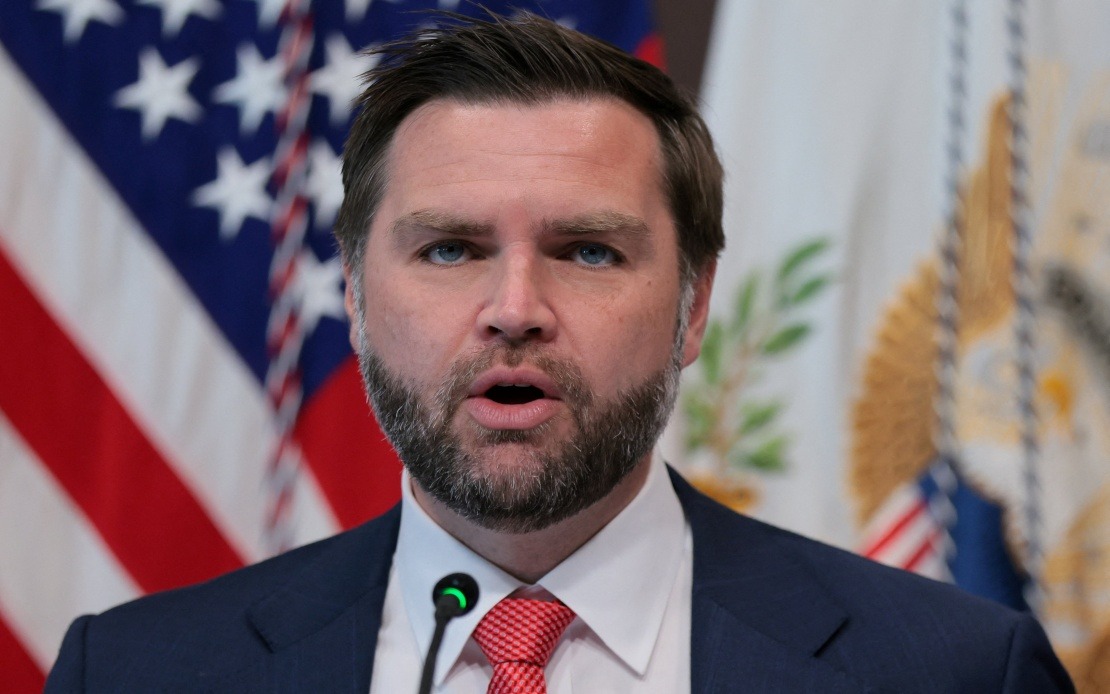
The United States is placing significant pressure on Iran to restore the flow of crude oil and natural gas through the Strait of Hormuz to levels that existed before recent regional conflicts erupted, according to statements made by US Vice President JD Vance in Istanbul. The American official emphasised that Washington expects Tehran to commit not only to maintaining oil exports but also to creating a secure environment for international commercial vessels transiting one of the world's most critical maritime chokepoints. Vance's remarks underscore the American administration's focus on stabilising global energy supplies and preventing further disruption to markets that depend heavily on Gulf crude.
In an interview with Fox News, Vance stated that Iran has indicated its willingness to allow oil and gas shipments to flow at their previous volumes. However, he made clear that the Trump administration will not accept Iranian assurances at face value, invoking the Cold War verification principle of "trust but verify." This skepticism reflects deep-seated American concerns about Iranian reliability and the region's volatile security environment. Vance's language suggests that Washington views concrete actions rather than diplomatic pledges as the true measure of Iranian commitment, establishing a framework where outcomes will be measured against observable conduct rather than declared intentions.
A particularly contentious issue centres on potential Iranian tolls or fees on vessels using the strategic waterway. The Strait of Hormuz represents a vital passage through which roughly one-third of the world's seaborne oil trade flows, making it essential to global energy security. Vance noted that Iranian officials have assured the United States they have no intention of imposing tolls on shipping, but again stressed that Washington will evaluate this pledge through practical verification. The threat of tolls carries significant implications for Malaysia and other energy-importing nations in the region, as such charges would effectively increase the cost of imported petroleum and related commodities.
The US Vice President acknowledged that Iran and neighbouring Gulf states, particularly Oman, have been engaged in discussions aimed at maintaining secure maritime corridors. These diplomatic channels suggest a recognition among regional players that the current security situation is unsustainable and that some form of modus vivendi must be established. Oman's role as a mediator reflects its historical position as a neutral actor in Gulf affairs, and its involvement indicates that even countries traditionally maintaining careful distance from American policy are being drawn into efforts to stabilise the strategic environment. For Southeast Asian nations with significant energy interests in the region, these diplomatic developments warrant close monitoring.
Vance specifically highlighted the challenge posed by extensive mine-laying operations that Iran conducted at the beginning of the conflict. The presence of these underwater obstacles creates both immediate hazards for shipping and complicates longer-term efforts to establish reliable maritime traffic corridors. Addressing this issue requires technical cooperation, mine-clearing operations, and the establishment of internationally recognised safe-passage schemes. The US official indicated that current negotiations focus substantially on how to design practical maritime traffic management systems that would allow commercial vessels to transit with acceptable safety standards while also clearing existing mines from international waters.
Beyond mine clearance, Vance emphasised that Washington is demanding assurances from Iran that it will not use military force against commercial shipping. This requirement reflects recent instances where Iranian military actions have targeted or threatened commercial vessels in the Gulf, creating insurance complications and deterring some shipping from the region. A formal commitment to refrain from firing on merchant vessels would represent a significant shift in Iranian behaviour and would substantially reduce one of the key risks facing international maritime traffic. The inclusion of this demand suggests that American officials have serious concerns about potential Iranian military escalation despite stated desires for de-escalation.
Vance's characterisation of Iran's current circumstances revealed a belief among American officials that economic and military pressure has significantly weakened Tehran's strategic position. He stated that Iran has been substantially hurt by recent developments and apparently seeks resolution of current conflicts. This assessment frames American negotiating leverage as substantial, suggesting that Washington believes it can extract meaningful concessions from Tehran. However, this analysis has important implications for regional stability, as it could either facilitate a face-saving compromise or, if Tehran feels cornered without acceptable off-ramps, potentially escalate tensions further.
The US Vice President articulated an ambitious list of American strategic accomplishments, claiming that Washington has degraded Iran's nuclear programme, conventional military capabilities, and asymmetric warfare abilities. Vance indicated that these achievements have created conditions under which the United States can demand fundamental changes in Iranian behaviour as prerequisites for improved bilateral relations. However, he also suggested that if Iran proves unwilling to accept the terms Washington is offering, the US will simply maintain current pressure and continue pursuing alternative energy sourcing. This ultimatum-style approach reflects the current American administration's hardline stance toward Iran and its preference for coercive rather than collaborative diplomacy.
The energy security dimension of Vance's statements carries particular relevance for Malaysia and the broader Southeast Asian region. By emphasising American determination to ensure continued oil and gas flows from the Middle East at stable prices, Vance was essentially signalling that Washington sees reliable energy supply as integral to global economic stability and American prosperity. For Malaysia, which maintains substantial energy interests throughout the region and depends on stable maritime trade routes through the Strait of Hormuz, American efforts to impose order through pressure on Iran have obvious appeal. However, they also carry risks, as heavy-handed coercion could potentially provoke Iranian countermeasures that would ultimately destabilise rather than stabilise the Gulf.
The broader context of these statements reveals an American foreign policy approach combining military capability with economic leverage to achieve strategic objectives. Washington's confidence in its ability to enforce its demands rests partly on the military superiority it has demonstrated and partly on the economic costs Iran faces from international isolation and sanctions. Yet this strategy assumes that Iran's leadership will ultimately prove amenable to American terms rather than choosing confrontation. For observers in Southeast Asia watching these Gulf developments, the pattern suggests that the region's energy security will ultimately depend on calculations made in Tehran, Washington, and among Gulf Arab states, with external actors like Malaysia possessing limited direct influence over outcomes.
Moving forward, the critical test will lie in whether Iran implements the specific commitments that American officials are demanding. Vance's emphasis on verification suggests the US will maintain strict oversight of Iranian actions regarding oil flows, toll-setting, mine-clearing operations, and restraint regarding commercial shipping. Any perceived Iranian violations or backsliding could trigger further American pressure, potentially including military escalation. For Malaysia and other regional economies dependent on Gulf energy, the stakes in these negotiations extend far beyond bilateral US-Iran relations, touching fundamental questions about regional stability, maritime security, and energy price stability that affect millions across Southeast Asia.

