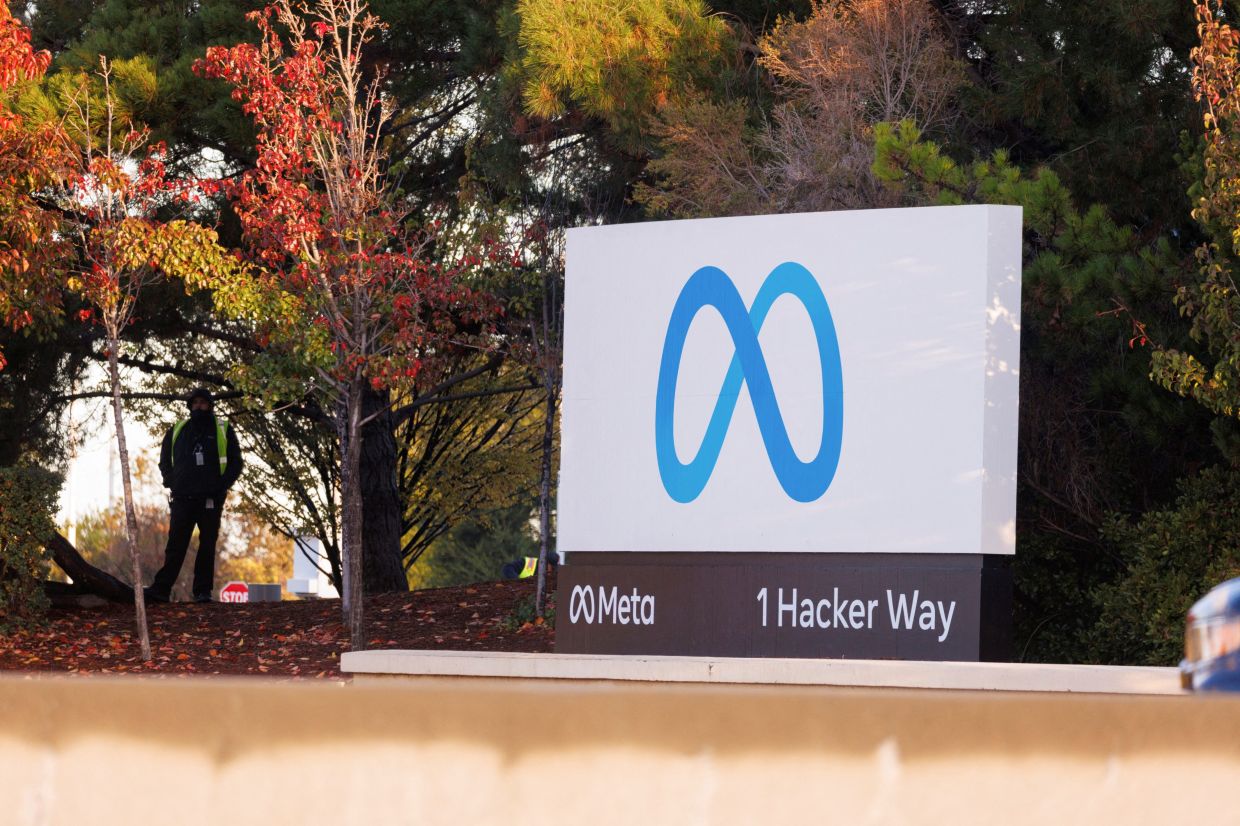
A United States federal judge has delivered a damaging ruling against Meta, finding that the social media platform systematically destroyed or permitted the destruction of critical data central to a legal action filed by an Australian mining tycoon. Judge P. Casey Pitts, in a decision accessed by international news agencies, determined that Meta's conduct amounted to gross negligence in its handling of evidence, though he stopped short of finding intentional wrongdoing. The ruling represents a significant setback for the technology giant as it defends against accusations that it profited from cryptocurrency investment scams perpetrated through fraudulent advertisements on its platforms.
The case centres on thousands of deceptive advertisements that have proliferated on Facebook since 2019, exploiting the image and reputation of the prominent Australian businessman to lure victims into fake cryptocurrency schemes. According to legal documents, these scams have ensnared thousands of people who believed they were investing through legitimate channels associated with the well-known industrialist. The plaintiff's legal team contends that Meta did not merely host the fraudulent content passively but instead actively participated in the scheme by using its artificial intelligence tools to optimise, personalise, and distribute these misleading advertisements to targeted audiences. This distinction is crucial to the case's fundamental argument: that Meta should be treated as an active participant in the fraud rather than as a neutral platform operator shielded by traditional internet intermediary protections.
The destruction of data stands at the heart of the plaintiff's legal strategy. The missing information would purportedly demonstrate precisely how Meta's proprietary tools modified and refined fraudulent advertisements before distributing them across its network. Such evidence could prove transformative in the litigation, potentially stripping away the company's immunity protections by establishing that Meta engaged in conduct beyond mere hosting. Without this evidence, the plaintiff faces a significantly weakened position in arguing that Meta should be held liable for the content. The timing and manner of the data deletion have fuelled suggestions that Meta deliberately obscured its own complicity in distributing the scams, though the judge refrained from endorsing this interpretation.
Meta's explanation for the missing data has drawn particular judicial scepticism. The company claimed it required two years to discover that the relevant information even existed within its own systems—a timeframe Judge Pitts found utterly implausible. In his written ruling, the judge stated bluntly that it was unreasonable for Meta to assert it needed such an extended period to locate its own data, implicitly questioning whether the delay reflected genuine difficulty in discovery or deliberate obstruction. This assessment undermines Meta's credibility on a crucial factual matter and may influence how subsequent rulings develop as the case progresses through earlier stages.
The company has mounted its primary defence on Section 230 of the Communications Decency Act, a 1996 federal statute that has sheltered internet companies from legal responsibility for user-generated content posted on their platforms. Meta argues this provision should insulate it from liability in the present matter. However, the destruction of evidence regarding Meta's role in modifying and distributing the advertisements could fundamentally alter how courts view the company's status. If Meta's algorithmic tools actively reshaped the fraudulent content, the platform might be recharacterised as a content creator or publisher rather than a passive intermediary—a distinction that could erode Section 230 protections significantly.
The legal landscape surrounding Meta's immunity claims has already begun shifting in unfavourable ways for the technology giant. Massachusetts' highest court previously determined that Section 230 does not shield Meta from a state lawsuit challenging whether Instagram's design deliberately creates addictive features that harm children. This precedent suggests that courts increasingly recognise boundaries to Section 230's protective scope, particularly when platforms engage in affirmative conduct beyond passive hosting. The present cryptocurrency fraud case may well follow a similar trajectory if evidence emerges demonstrating Meta's algorithmic role in targeting and refining deceptive advertisements.
Beyond the immediate ruling on evidence destruction, Meta faces mounting reputational and legal pressures across multiple jurisdictions. Juries in Los Angeles and Santa Fe, New Mexico have already found the company liable for causing harm to minors through its platform design this year alone. These verdicts signal growing judicial and public skepticism toward Meta's claims that it bears no responsibility for how its systems are weaponised. The convergence of these cases creates a cumulative effect that makes Meta's traditional immunity arguments increasingly difficult to sustain in court.
The lawsuit remains in preliminary stages, with Meta expected to file a motion seeking dismissal on immunity grounds during a hearing scheduled before Judge Pitts by year's end. This critical juncture will determine whether the case proceeds to trial or whether immunity protections insulate Meta from further liability. The judge's finding regarding evidence destruction may significantly influence that determination, as courts often view a party's mishandling of evidence as indicative of broader culpability. If the case advances beyond dismissal, the evidentiary gaps created by the data destruction will haunt Meta throughout litigation, as juries may draw adverse inferences about what the destroyed information would have revealed.
For Malaysian and Southeast Asian observers, this case carries particular significance given the region's vulnerability to online fraud schemes. Cryptocurency scams leveraging artificial intelligence and social engineering have proliferated throughout Asia, causing substantial financial losses to individual investors and damaging public confidence in digital markets. If courts increasingly hold platforms accountable for algorithmic amplification of fraudulent content, it may incentivise social media companies to implement stronger safeguards against deceptive advertising throughout the region. Conversely, if Meta successfully maintains immunity despite the evidence destruction ruling, it would signal to other platforms that they can continue operating with minimal accountability for algorithmic decisions that facilitate fraud.

