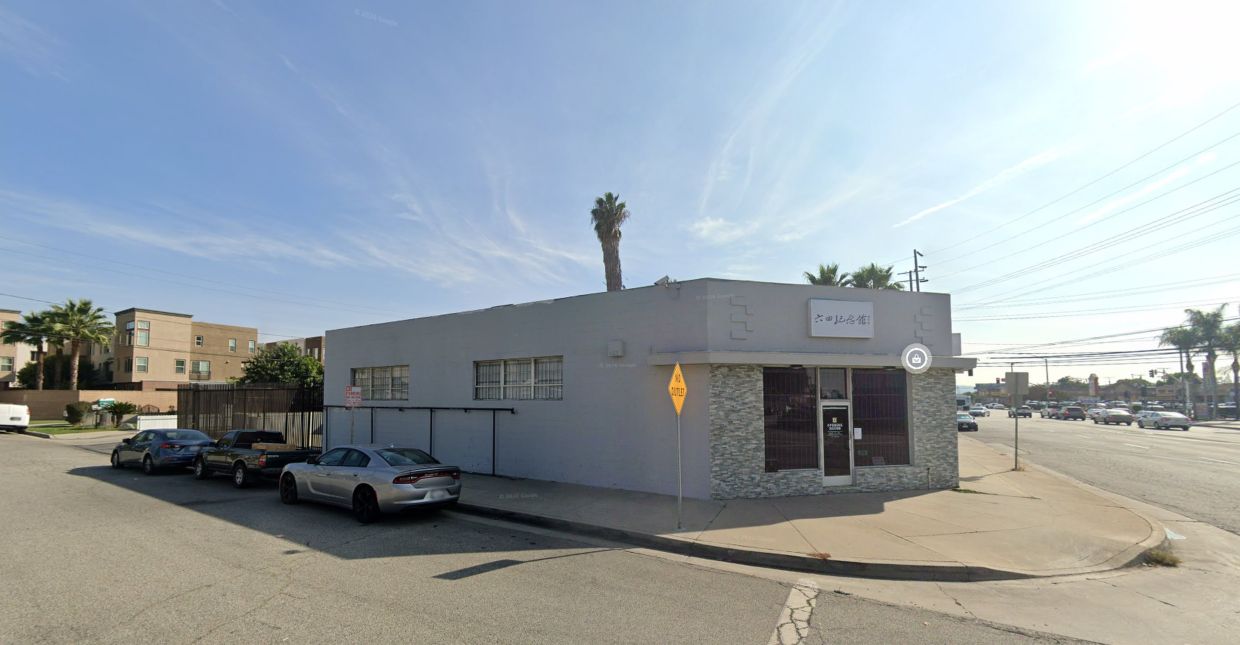
Two powerful figures in American politics have demanded a comprehensive federal investigation into vandalism at a museum honouring one of modern China's most sensitive historical events. John Moolenaar, the Republican chairman of the House Select Committee on China, and Christopher Smith, co-chairman of the Congressional-Executive Commission on China, delivered a formal letter to the Justice Department this week calling for a thorough probe into the May 31 break-in at the June 4th Memorial Museum in El Monte, California. The three-page correspondence underscores mounting concern among prominent US lawmakers about what they suspect may be coordinated efforts to intimidate Chinese citizens seeking asylum and freedom in America.
The incident itself involved unknown perpetrators forcing their way into the museum facility in the Los Angeles area, spray-painting walls and displays with orange paint, damaging property, and deliberately disabling the establishment's security infrastructure. The vandalism struck at the museum's core holdings—newspaper clippings and related materials documenting the 1989 Tiananmen Square crackdown—leaving what officials characterised as serious damage to the institution's physical assets. The timing proved particularly provocative, occurring just days before June 4th commemorations when the museum typically experiences heightened visitor numbers and heightened visibility among the diaspora community.
The June 4th Memorial Museum represents a relatively new venture in American civic culture. Established in 2023, the non-profit organisation initially operated from New York before relocating to the Los Angeles area to reduce operational expenditures. According to statements from art collective Art Dealer Street, fundraising efforts began with a target of US$2 million, with initial crowdsourced campaigns raising US$500,000 from independent donors and civil society groups. The relocation to Southern California reflects both financial constraints and the substantial concentration of Chinese immigrants and diaspora communities throughout California's urban centres.
What distinguishes this incident from ordinary criminal vandalism is the museum's explicit assertion that it may constitute transnational repression—a term describing efforts by foreign governments to extend political control and intimidation across borders into democracies. Museum officials declined to elaborate on this suspicion, though the timing, method, and targeting of security systems all suggest deliberate strategic intent rather than random destruction. The museum's statement struck a defiant tone: despite recognising clear elements of intimidation and threat, organisers vowed not to capitulate to such pressure. This determination reflects broader patterns among diaspora communities in the West, who increasingly view their institutional spaces as focal points for geopolitical tension.
The congressional letter frames the investigation in deliberately expansive terms, specifically asking federal authorities to determine whether the attack was planned, encouraged, supported, or carried out by individuals acting on behalf of, at the direction of, or in sympathy with the People's Republic of China or the Communist Party itself. This formulation effectively treats the vandalism as potentially a foreign intelligence operation rather than a simple property crime. The lawmakers specifically identified the FBI's Los Angeles Field Office and the Justice Department's National Security Division as appropriate leads, signalling that authorities should treat the matter as a potential national security concern rather than routine criminal activity.
The involvement of the House Select Committee on China and the Congressional-Executive Commission reflects institutional American attention to Sino-American relations at multiple governmental levels. The Select Committee, established in January 2023, exists specifically to examine economic and security competition between Washington and Beijing. The Congressional-Executive Commission, created two decades earlier in 2000, monitors human rights conditions and rule of law issues, a mandate that expanded as China's international role grew following its World Trade Organization accession. While neither body possesses direct legislative authority, both serve as policy advisory organs with investigative capabilities and recommendations that influence Congressional direction.
China's diplomatic posture toward such scrutiny remains consistently dismissive. The Chinese embassy in Washington has not yet commented on this specific incident, but Beijing's standard response to Congressional committees and human rights monitoring bodies treats them as instruments of Cold War ideology and anti-Chinese bias. Official Chinese statements routinely characterise such bodies as propaganda tools wielding zero credibility, driven by ideological hostility rather than genuine concern for accuracy or fairness. This rhetorical stance effectively insulates the Chinese government from serious engagement with Western criticism, whether regarding human rights practices, political freedoms, or incidents like the museum vandalism.
For Malaysia and the broader Southeast Asian region, this incident illuminates expanding tensions surrounding diaspora communities and geopolitical influence operations. Malaysia hosts significant populations of Chinese heritage citizens and recent immigrants from China, and similar institutional spaces commemorating sensitive historical events could theoretically face comparable pressure or intimidation. The American investigation into potential transnational repression establishes precedent for how democracies might respond to coordinated efforts to suppress freedom of expression and historical commemoration through intimidation. The incident also demonstrates how Cold War-era patterns of political competition now extend into the realm of diaspora management and historical narrative control.
El Monte police have opened a formal investigation and reported obtaining evidence and leads, indicating initial responsiveness to the incident. The museum committed to actively cooperating with law enforcement to resolve the case expeditiously. However, at the federal level, both the Justice Department and FBI initially declined immediate response to inquiries about whether a formal investigation had commenced. This bureaucratic silence may reflect standard procedures for ongoing investigations or may suggest that federal authorities require Congressional pressure to escalate what might otherwise remain a local property crime case.
The broader significance of this incident extends beyond vandalism to questions about the operational reach of state pressure within liberal democracies. The museum's insistence that it will not be intimidated reflects organisational resilience, yet the very targeting of security systems and destruction of historically significant materials demonstrates real vulnerability. As diaspora communities increasingly establish institutions preserving memories and histories uncomfortable to authoritarian regimes, they risk becoming flashpoints in transnational political competition. The congressional letter signals that American political institutions recognise this dynamic and may be mobilising resources to protect diaspora freedoms—a development with implications for how other democratic nations, including those in Southeast Asia, might similarly respond to comparable incidents targeting their own diaspora communities.

