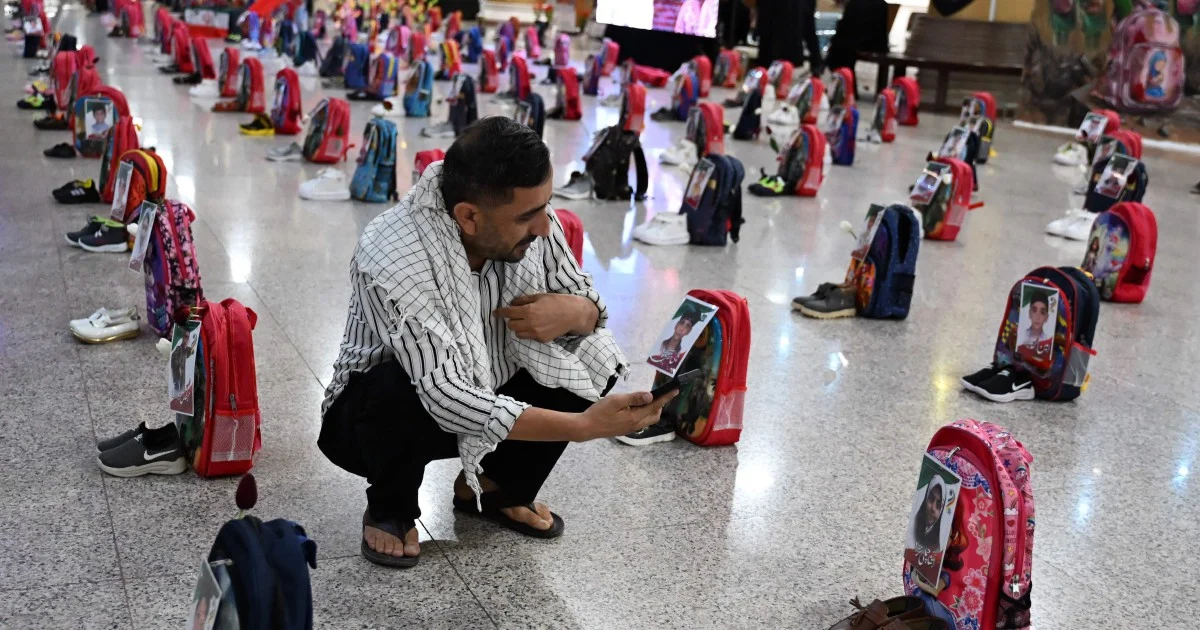
A group of Democratic senators, spearheaded by Kirsten Gillibrand, has escalated pressure on the Trump administration to make public the results of a Pentagon inquiry into an airstrike that targeted a girls' school in Iran on February 28. The lawmakers issued their demand on Monday, requesting that the administration disclose the investigation's conclusions within seven days, signalling growing congressional concern over the handling of a military operation that potentially resulted in civilian casualties in a sensitive geopolitical region.
The incident in question has become emblematic of broader tensions between the United States and Iran, particularly given the school's status as an educational facility for young women. The timing of the strike—occurring amid heightened US-Iran relations—has drawn scrutiny from lawmakers who view transparency as essential to maintaining public trust in military decision-making processes. The senators' intervention reflects a pattern of congressional oversight attempting to balance national security interests with accountability for military actions that may affect civilians.
Gillibrand and her colleagues contend that releasing the Pentagon's findings would serve the public interest by clarifying the circumstances surrounding the attack, including intelligence assessments that preceded the operation and any post-strike assessments of damage and casualties. Their position rests on the principle that democratic processes require informed citizenry, particularly when military actions abroad carry potential humanitarian consequences. The one-week timeline they have imposed signals urgency, suggesting they view continued secrecy as unacceptable.
The Trump administration's response to these demands will carry substantial implications for executive-congressional relations on defence and foreign policy matters. The administration must navigate the tension between protecting sensitive military intelligence and responding to legitimate congressional inquiries into operations that have generated international attention. Historically, such disputes over transparency have involved classified information protocols and differing interpretations of what constitutes appropriate disclosure.
For Malaysian and Southeast Asian observers, this dispute underscores how major power military operations in the Middle East intersect with broader questions of international law and civilian protection standards. The episode illustrates how US-Iran tensions can prompt domestic political scrutiny that potentially influences broader foreign policy directions. Regional countries maintaining complex relationships with both Washington and Tehran must monitor how such incidents shape American strategic calculations.
The Pentagon's investigation presumably examined multiple dimensions of the operation: the intelligence justifying the strike, targeting procedures employed, any warnings issued to civilians in the vicinity, and assessments of structural damage and potential casualties. Such inquiries typically involve extensive documentation and inter-agency coordination, though their results remain classified unless higher authorities determine release serves national interests. The senators' demand forces the administration to make explicit decisions about classification levels and information release.
Congressional momentum on this issue may strengthen if bipartisan support emerges for disclosure. While the initial demand comes from Democratic senators, additional Republican support could substantially increase pressure on the administration. Conversely, the administration might argue that releasing specific findings would compromise intelligence sources and methods or set precedents for disclosing sensitive military operations globally, creating diplomatic complications with allied nations concerned about intelligence-sharing arrangements.
The broader context involves public and international concern about civilian casualties in US military operations. International humanitarian organisations and human rights groups have maintained sustained focus on civilian protection standards, particularly regarding schools and hospitals. Media reporting on the February 28 incident likely contributed to the senators' intervention, as public pressure frequently catalyses congressional action on military accountability issues.
The resolution of this demand will establish precedent for future congressional inquiries into military strikes with potential civilian impact. Should the administration comply with disclosure, it may encourage similar future requests and complicate operational decision-making by raising expectations for transparency. Should it refuse, it risks deepening congressional frustration and potentially triggering legislative efforts to mandate disclosure through formal oversight mechanisms or appropriations riders.
For the Pentagon, balancing transparency with operational security remains perpetually challenging. The investigation's findings likely contain assessments that military officials prefer remaining undisclosed, yet continued opacity fuels public and congressional scepticism about the strike's justification and execution. The seven-day deadline forces an immediate decision rather than allowing prolonged deliberation.
The incident also reflects how technology and communications have altered military accountability. Detailed information about such strikes spreads globally within hours through multiple media channels, making it increasingly difficult for governments to control narratives through selective disclosure. Initial reporting often reaches audiences before official statements, creating informational asymmetries that congressional scrutiny attempts to address.
Ultimately, this episode demonstrates that congressional oversight of military operations—particularly those with potential civilian consequences—continues generating significant political attention and formal demands for accountability. The senators' intervention will either establish that such transparency represents standard practice or highlight the administration's resistance to information release, either outcome carrying implications for future civil-military relations and the scope of executive authority in military decision-making.

