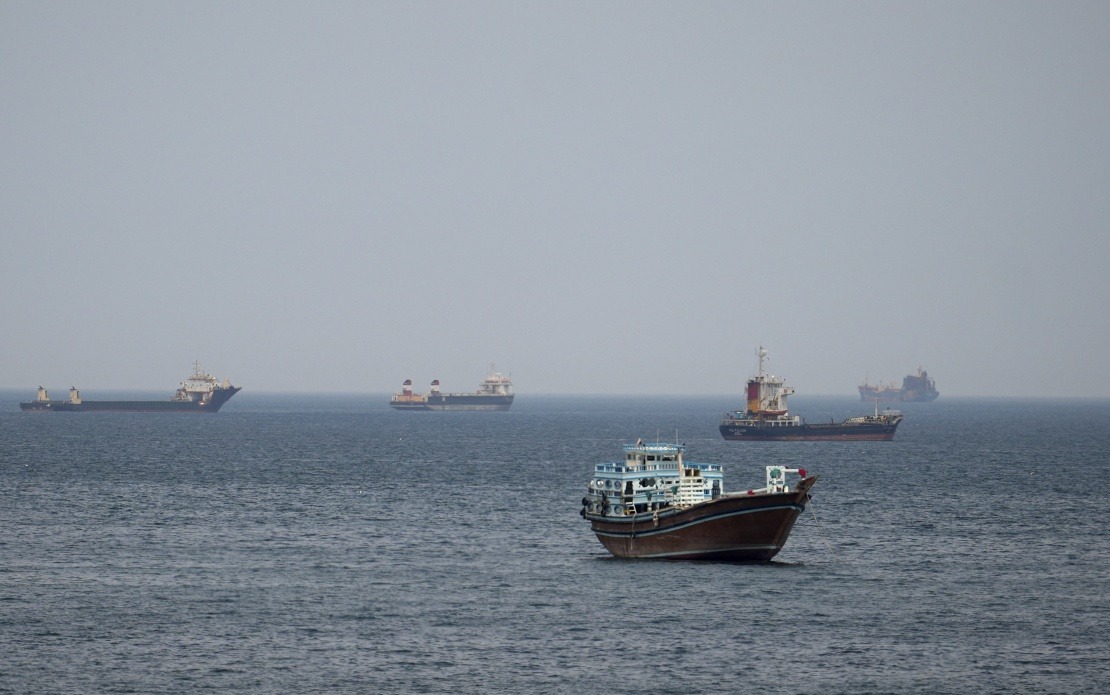
The United States military has overseen the safe transit of more than 800 commercial vessels through the Strait of Hormuz since early May, according to figures released by US Central Command on Thursday. The operation has also secured the passage of 380 million barrels of crude oil through one of the world's most strategically important shipping corridors. The announcement underscores the critical role American naval forces play in maintaining stability in the Persian Gulf and protecting global energy supplies amid rising geopolitical tensions.
The Strait of Hormuz represents a chokepoint through which roughly one-fifth of the world's traded oil passes daily. For Malaysia and other Southeast Asian economies heavily dependent on imported energy, the security of this waterway carries profound implications. Any sustained disruption would reverberate through regional supply chains and potentially drive up fuel prices across the region. The US military presence has become instrumental in preventing such disruptions, even as the security environment deteriorates.
The announcement arrives at a particularly precarious moment for regional stability. The truce between the United States and Iran, already fragile, faces mounting pressure from escalating military confrontations. Over the past two days, the two countries have exchanged successive waves of attacks, signalling a dangerous spiral that threatens to destabilise the entire Gulf region. This cycle of retaliation raises questions about whether military deterrence can be sustained indefinitely, or whether diplomatic channels must be reopened to prevent further deterioration.
Iran's latest military action involved launching strikes against US military installations across multiple countries in the region, targeting facilities in Bahrain, Kuwait, Qatar and Jordan. These attacks represent a significant escalation and indicate Iran's willingness to directly challenge American military presence beyond its borders. The Iranian strikes appear designed to demonstrate capability and resolve rather than to inflict maximum damage, suggesting both sides are engaged in a dangerous messaging game with real military consequences.
The US response to Iranian provocations has been equally swift and consequential. American forces conducted overnight strikes for a second consecutive day, demonstrating resolve and capability to strike Iranian targets or Iranian-backed assets. This tit-for-tat pattern of retaliation risks spiralling into a broader conflict that neither side may fully control, particularly given the involvement of multiple regional actors and proxy forces.
Yet despite this volatile backdrop, commercial shipping has continued flowing through the Strait of Hormuz, a remarkable testament to both the effectiveness of US naval operations and the determination of global shipping companies to maintain critical trade routes. Merchants and shipping firms have calculated that the risks, while elevated, remain manageable when weighed against the enormous economic costs of rerouting vessels around Africa. This assessment keeps commerce flowing even amid military tensions that would have paralysed shipping in earlier eras.
For Southeast Asian nations like Malaysia, Singapore and other regional economies, the continued functioning of the Strait of Hormuz is essential infrastructure. The region's petrochemical industries, refineries and manufacturing sectors depend on steady supplies of energy from the Gulf. Any significant disruption would trigger immediate economic consequences, forcing energy-intensive industries to curtail operations or source supplies at premium prices from alternative suppliers. The longer-term implications could include shifts in energy sourcing strategies and increased investment in regional energy security infrastructure.
The US military commitment to safeguarding the waterway reflects both strategic interest and a broader global responsibility to maintain freedom of navigation. The United States views the Strait of Hormuz as part of an international commons essential to global commerce and prosperity. This perspective aligns with Malaysian and Southeast Asian interests in maintaining open shipping lanes and predictable trading conditions. The alternative—a world where major powers contest control of critical chokepoints—would prove far more destabilising and expensive.
However, the sustainability of the current arrangement depends on restraint from all parties. The pattern of escalation between the US and Iran creates risks that could spiral unexpectedly. A single miscalculation, accidental strike, or loss of life could trigger a broader conflict that would make the current level of military presence insufficient to maintain order. Both Washington and Tehran face domestic political pressures that could push them toward more aggressive postures, complicating diplomatic efforts to de-escalate.
The figures released by CENTCOM also carry implicit messaging about American capabilities and commitment. By highlighting the scale of vessels and cargo secured, the Pentagon is signalling strength and competence to allies and adversaries alike. For regional partners including gulf states and Southeast Asian nations that depend on American security guarantees, such demonstrations matter. They reinforce confidence in US ability and willingness to maintain the regional balance.
Yet these same figures also expose the underlying vulnerability of relying on a single external power to secure critical infrastructure. Malaysia and Southeast Asian nations have strategic interests in seeing the Strait of Hormuz remain peaceful, but limited direct influence over the situation. The region's energy security is hostage to US-Iran tensions and the broader geopolitical competition between Washington and Tehran. This reality underscores the importance of developing more diverse energy sources and supply routes, even if the immediate commercial and financial logic favours the status quo.
Looking forward, the continuation of the US naval mission through the Strait of Hormuz appears certain, regardless of the trajectory of US-Iran tensions. The strategic and economic importance of the waterway ensures that American commitment will persist. However, the path forward remains uncertain, with the risk of escalation persistent and the diplomatic off-ramps increasingly narrow. For Southeast Asian observers, the situation serves as a reminder of how distant geopolitical conflicts can have immediate economic consequences, making regional stability a matter of vital national interest.

