American officials are actively reshaping the Group of Twenty's policy agenda ahead of December's summit in Miami, narrowing discussions to favour bilateral interests over broader development concerns, according to two delegation members who participated in this week's negotiating sessions in Washington. The shift reflects a strategic pivot by the Trump administration, which appears to view the gathering primarily as an occasion for high-level diplomacy between the United States and China rather than as a forum for advancing the multilateral consensus that traditionally defines G20 declarations.
During Monday and Tuesday's talks between the group's lead negotiators—known as sherpas—the US delegation actively pushed to strip the joint declaration of commitments addressing poverty alleviation, clean energy transitions and gender equity programmes. According to the sources, who spoke anonymously because the negotiations remain confidential, American representatives have instead sought to concentrate the agenda on narrower concerns: immigration management, transnational crime suppression, counter-terrorism measures, foreign investment frameworks and what Washington terms "fair trade" arrangements. This redirection fundamentally alters the scope of the summit from addressing global development challenges to focusing on issues that align closely with the current administration's domestic policy priorities.
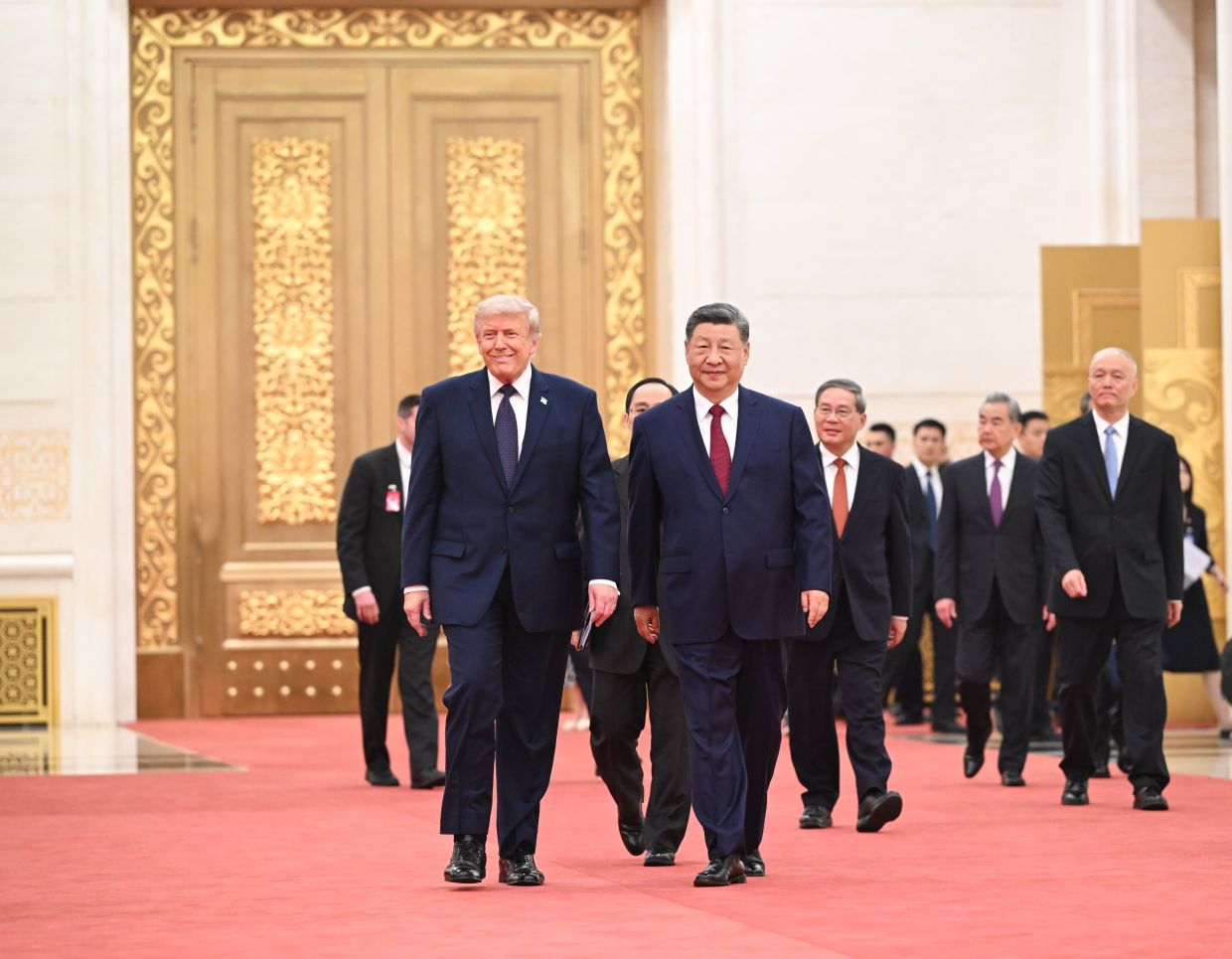
The American effort to reshape the declaration has been sustained and methodical. One negotiator disclosed that US officials have pursued this strategy consistently since December, when the group first convened to begin drafting the summit's concluding statement. Over this extended period, the American approach has reportedly prioritised language that serves US interests while marginalising the concerns of smaller and developing economies—countries that typically rely on G20 forums to amplify their voices on critical issues like climate action and equitable development. The characterisation of the summit as merely a "backdrop for a photo" between Trump and Xi underscores how some participants perceive the recalibration of the group's purpose under American leadership.
The White House and State Department did not provide immediate responses to requests for comment on these allegations, leaving the US position unexplained in public discourse. Notably, Russia has also raised similar objections to the narrowing agenda, though it has done so through diplomatic channels and media statements rather than blocking participation. Ambassador-at-large Marat Berdyev publicly expressed concern about the direction of preparations, yet Russian negotiators, including sherpa Denis Agafonov, continued engaging in this week's discussions. This pattern—voicing objections while maintaining participation—reflects the difficult position of members seeking influence within a forum increasingly shaped by great power interests.
The December 14-15 summit is scheduled to take place at Trump National Doral, the president's private golf resort in Miami, a venue choice that has itself drawn attention. The location appears designed to facilitate a bilateral encounter between Trump and Chinese President Xi Jinping, an engagement that both leaders are reportedly expected to pursue. For Chinese officials, attending the summit represents an opportunity to engage directly with the American administration on a range of strategic issues, potentially making side meetings more valuable than formal multilateral discussions. This dynamic has raised questions about whether the mechanics of the summit itself are being structured to privilege bilateral over multilateral engagement.
China's response to the American effort to reduce climate and energy language in the declaration has surprised some observers. Despite positioning renewable energy and carbon emissions reduction as central to its national strategy and international diplomacy, Beijing has reportedly raised no objections to the American push to diminish energy transition commitments in the joint statement. The Chinese embassy in Washington declined to clarify why the country—which has invested heavily in renewable energy infrastructure and carbon reduction technology—would permit such language to be removed from the declaration. Instead, the embassy emphasised China's existing achievements in building "the world's most complete policy system on reducing carbon emissions" and maintaining "the world's largest renewable energy system," framing these accomplishments as evidence of Beijing's willingness to contribute to global climate efforts.
The apparent silence from Chinese negotiators on this issue stands in stark contrast to the country's public positioning on climate action and its role as a major developing economy. Analysts note that this restraint may reflect Beijing's strategic calculation that preserving the bilateral relationship with Washington and ensuring the success of a Trump-Xi meeting takes precedence over defending broader climate commitments within the multilateral framework. This trade-off between bilateral engagement and multilateral principle-setting illustrates how great power dynamics increasingly determine the shape and substance of G20 outcomes, often at the expense of the group's founding purpose of addressing shared global challenges.
The dynamics within the G20 have already shown signs of strain under the current American presidency. In April, the group's finance ministers' meeting in Washington concluded without issuing a joint statement or holding the customary press conference—an outcome reflecting the difficulty of building consensus when major members prioritise divergent interests. That gathering, overseen by Finance Minister Lan Fo'an on the Chinese side, suggested that fragmentation extends across multiple tracks within the G20's architecture. These fractures suggest that the institutional capacity of the group to forge unified positions on pressing global issues has significantly diminished, with consequences that may extend well beyond this year's summit.
Russia's exclusion from full participation in the summit adds another layer of complexity to the proceedings. For the first time in G20 history, a full member state faces exclusion from the gathering, a decision that has prompted formal objections from several governments. This break with the group's inclusive norm represents a significant departure from how the G20 has managed geopolitical tensions in previous years, suggesting that the current administration views the summit as an extension of bilateral statecraft rather than as a genuinely multilateral forum. The exclusion underscores how the group's consensus-based model has become increasingly difficult to maintain as geopolitical rivalries intensify and great powers reshape international institutions to reflect their strategic preferences.

