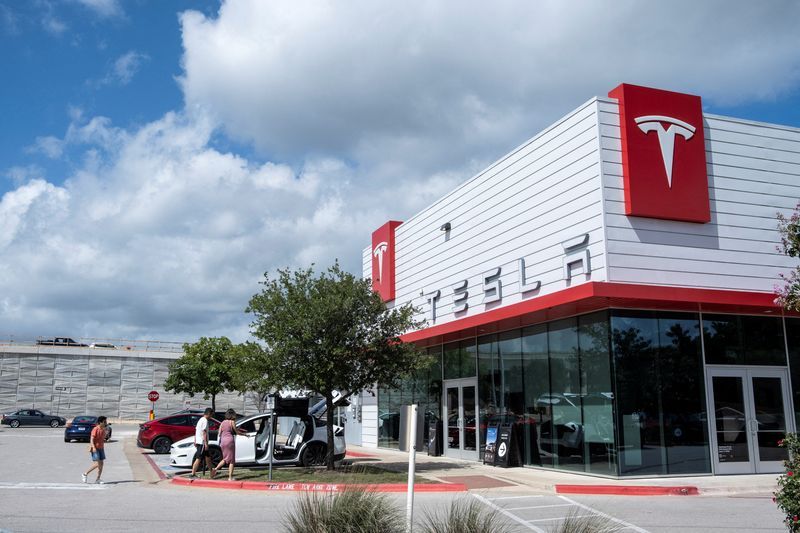
The United States National Transportation Safety Board announced Wednesday that it will examine the circumstances surrounding a Tesla Model 3 collision in Katy, Texas, that resulted in the death of a 76-year-old resident last week. The vehicle struck the woman's home at considerable velocity, and the crash has become the focal point of intensifying scrutiny over the safety of advanced driver assistance systems in electric vehicles.
The fatal incident occurred on June 19 when the Tesla Model 3, operated by Michael Butler, allegedly plowed through the front wall of Martha Avila's residence with enough force to pin her inside. Avila was transported to a nearby hospital but succumbed to her injuries. Justin Barbour, Avila's son-in-law, was also wounded in the collision. According to statements made to law enforcement, Butler indicated that he had activated the vehicle's Autopilot function before the crash, though conflicting accounts have since emerged regarding the circumstances that immediately preceded the impact.
This investigation represents another addition to the NTSB's growing catalogue of Tesla-related accident investigations involving driver assistance technologies. The board has previously examined numerous incidents where Autopilot or similar systems were engaged, reflecting an emerging pattern of concern within American regulatory bodies about the safety implications of these technologies when deployed in real-world driving conditions.
Legal action has already commenced in the matter. The family of the deceased filed a wrongful death lawsuit in Harris County, Texas state court, naming both Tesla and the vehicle's driver as defendants. The complaint characterises Tesla's Autopilot and Full Self-Driving systems as defective and argues that the company demonstrated gross negligence by failing to adequately warn consumers about inherent risks. The Barbours, represented by legal counsel, are seeking compensation exceeding $1 million, alongside punitive damages intended to reflect what they characterise as Tesla's reckless disregard for safety.
Tesla's response to these allegations has been characterised by deflection and counter-assertion. Chief executive Elon Musk posted on the social media platform X on Monday evening, claiming that the Full Self-Driving system operates at reduced speeds in residential areas and therefore could not have been responsible for a high-speed collision. Separately, Ashok Elluswamy, Tesla's vice president of artificial intelligence software, asserted on the same platform that the driver had manually overridden the autonomous systems by pressing the accelerator pedal to its maximum extent in the residential area.
The broader regulatory context intensifies the implications of this particular incident. Since 2016, the National Highway Traffic Safety Administration has launched nearly 50 distinct investigations into Tesla accidents suspected of involving advanced driver assistance systems. These investigations have collectively documented approximately two dozen fatalities, suggesting a pattern that extends beyond isolated incidents. The accumulating data has prompted regulatory escalation: in March of this year, the NHTSA expanded its investigation into 3.2 million Tesla vehicles equipped with Full Self-Driving capabilities, expressing concerns that the system may fail to adequately detect or alert drivers during periods of reduced visibility or adverse weather conditions.
Tesla's historical pattern of recalls underscores the company's acknowledged need to address safety concerns. In 2023, Tesla executed a recall affecting approximately 2 million vehicles, representing nearly the entire fleet of Tesla electric vehicles operating on American roads at that time. The recall specifically targeted the Autopilot function, aiming to strengthen mechanisms that ensure drivers maintain active attention and keep their hands positioned on the steering wheel while the system is engaged. This previous recall suggests that Tesla recognised deficiencies in driver engagement protocols that could compromise vehicle safety.
The technical capabilities of Tesla's driver assistance systems remain subject to ongoing debate regarding their actual autonomous functionality. According to Tesla's own characterisation, Autopilot enables vehicles to steer, accelerate, and brake independently while maintaining lane position, whereas Full Self-Driving expands capabilities to include obedience to traffic signals and autonomous lane changes. However, both systems explicitly require drivers to remain fully attentive with hands on the wheel, a stipulation that raises questions about the utility and consistency of labelling these as autonomous or self-driving technologies.
For Malaysian and regional readers, this incident carries significant implications. As electric vehicle adoption accelerates across Southeast Asia, understanding the safety profile of advanced driver assistance systems becomes increasingly relevant. Many regional consumers may be attracted to these technologies without fully appreciating the current regulatory uncertainties and safety questions that remain unresolved in mature markets like the United States. The mounting legal and regulatory challenges facing Tesla in America may presage similar issues emerging in markets where these vehicles are sold with limited established safety frameworks or consumer awareness.
The investigation now proceeding through both regulatory and judicial channels will likely provide crucial information about the interaction between driver behaviour, system design, and catastrophic failure modes. The fundamental question at the centre of these proceedings concerns whether advanced driver assistance systems can be safely deployed in mixed environments where human drivers interact with partially autonomous vehicles, or whether current technological maturity and warning mechanisms remain inadequate to prevent tragedies when misunderstanding or misuse occurs.
As of the reporting date, neither Tesla nor Musk had provided substantive responses to detailed inquiries about the incident beyond the social media posts. The driver, Michael Butler, remains a defendant in the lawsuit, though his legal representation status remained unclear. The coming months will likely produce additional revelations as regulatory investigations progress and the lawsuit advances through the courts, potentially establishing important precedents for liability in autonomous vehicle accidents.

