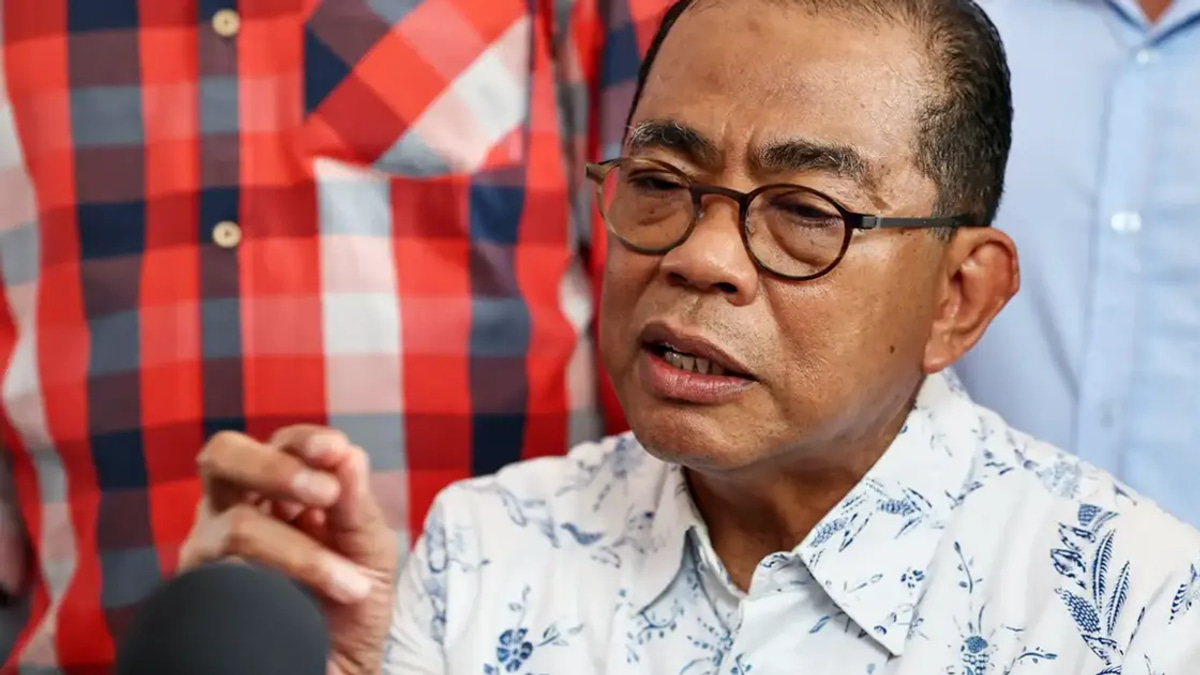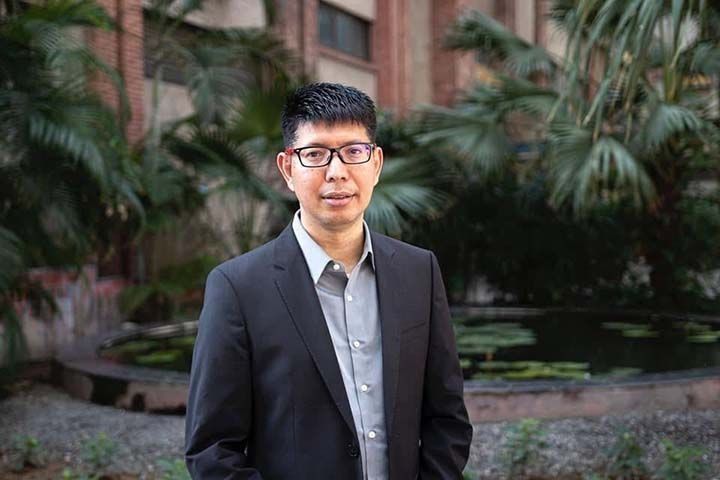
Min Zin, a prominent American researcher and executive director of the Institute for Strategy and Policy (ISP) - Myanmar, has been held in custody in China's southwestern city of Kunming since early June on suspicion of espionage and endangering national security, according to Beijing's foreign ministry. The 1988 Myanmar democracy activist, who holds a political science degree from the University of California, Berkeley, now finds himself at the centre of diplomatic tensions between Washington, Beijing and Naypyidaw, with his detention raising questions about academic freedom and China's approach to independent research on Myanmar.
The think tank that Min Zin founded issued a formal statement this week asserting that his journey to Kunming had been solely for attending an academic workshop, not for any intelligence-gathering activities as Chinese authorities have suggested. ISP-Myanmar, which relocated outside the country following the military's 2021 overthrow of Aung San Suu Kyi's elected government, categorically rejected what it described as baseless allegations. The institution's leadership expressed deep concern about the circumstances of his detention and the implications for independent scholarly work on Myanmar's political situation at a time when the country faces unprecedented instability.
The United States has formally intervened in the case, with the State Department rejecting Beijing's accusations against Min Zin. American consular officers have already visited the detained scholar, and Washington stated it is providing full consular support while engaging Chinese officials through diplomatic channels. This response reflects Washington's broader concern about the treatment of its citizens abroad and represents standard diplomatic practice when Americans face detention in foreign countries, though the circumstances surrounding Min Zin's case add a layer of complexity given his scholarly focus on Myanmar's internal affairs.
China's authorities have maintained their position that Min Zin engaged in espionage activities and indicated they will proceed with legal action according to Chinese law. The foreign ministry reiterated these charges when responding to media inquiries, offering no additional details about the specific allegations or evidence against the scholar. This stance reflects Beijing's sensitivity about foreign researchers working on China's neighbours and its broader concerns about international intelligence operations within its borders, though critics argue it also demonstrates how easily academic work can be weaponised as a pretext for detention.
The timing of Min Zin's arrest carries significant geopolitical weight in the Myanmar context. His detention occurred just weeks before Myanmar's military leader Min Aung Hlaing undertook a five-day state visit to China, suggesting the arrest may have been coordinated with broader diplomatic considerations between Beijing and Naypyidaw. China remains one of Myanmar's most crucial international partners, having maintained strong support for the military regime despite its February 2021 coup that sparked global condemnation. This relationship, built on strategic and economic interests spanning decades, gives Beijing considerable influence over Myanmar's military leadership and raises questions about whether the detention reflects coordination between the two governments.
Min Zin's personal history underscores his commitment to Myanmar's democratic aspirations and independent analysis. As a former student activist who participated in the 1988 democracy uprising, he has long been engaged with Myanmar's political transformation. Rather than pursuing conventional academic positions in the West, he chose to establish ISP-Myanmar as a platform for rigorous research on the country's conflicts, political transitions and economic challenges. His decision to remain engaged with Myanmar's affairs, even after the 2021 coup forced the think tank to relocate overseas, demonstrates a dedication to understanding the country's trajectory despite considerable personal and professional risks.
The Institute for Strategy and Policy has become an important voice in analysing Myanmar's current crisis, particularly regarding the armed uprising that emerged following the military's seizure of power. Since the coup, pro-democracy rebel groups have formed and allied with longstanding ethnic armed organisations to mount an increasingly coordinated challenge to military rule. These developments have created a complex conflict landscape that requires sophisticated analysis, which institutions like ISP-Myanmar have provided through research on military strategy, civilian resistance movements and regional implications. The think tank's work on Sino-Myanmar relations has been particularly valuable in understanding how Beijing's interests shape outcomes in Myanmar's conflict.
The detention also raises broader concerns about the environment for independent research on Myanmar and Southeast Asia more generally. Academic institutions working on sensitive geopolitical topics face increasing pressure from state actors who view critical research as potentially threatening to their interests. The case of Min Zin illustrates how scholars studying China's relationships with neighbouring countries can become targets, particularly when their work challenges official narratives or explores controversial aspects of bilateral relations. This dynamic may have a chilling effect on research into Myanmar, a country where understanding external pressures and foreign policy dimensions remains crucial for analysing the conflict's evolution.
For Malaysian observers and policymakers, Min Zin's detention carries important implications for how regional governments handle international scholars and civil society actors. As a Southeast Asian nation with significant Chinese economic interests and a delicate balancing act in regional geopolitics, Malaysia has an interest in understanding how Beijing approaches foreign researchers and analysts. The case demonstrates how academic work can become entangled in state security narratives and illustrates the risks independent researchers face when studying sensitive bilateral relationships. It also highlights the importance of protecting academic freedom as a regional value, particularly as China's role in Southeast Asia continues to expand across multiple dimensions.
The incident reflects broader tensions between China's conception of national security and international norms regarding academic freedom and scholarly exchange. Beijing's approach to Min Zin's case, if it stems from legitimate counterintelligence concerns, might be understood within China's security framework. However, from the perspective of international academic standards and the Western legal traditions that inform Min Zin's background, the arrest of a scholar attending a workshop represents a concerning precedent. This divergence in approaches to security, research and academic autonomy will likely continue shaping how international scholars engage with research on China and its role in the region.
Moving forward, Min Zin's case will probably become a test case for how China treats foreign academics researching sensitive topics related to its interests and neighbouring countries. His fate will send signals to other researchers about the risks of independent analysis on Myanmar and China's regional role. International academic institutions may become more cautious about supporting research that could be interpreted as threatening to Chinese interests, potentially reducing the diversity of analytical voices available to policymakers and the public. At the same time, the international response from the United States, Myanmar's own civil society and global academic networks will help determine whether such detentions become a normalised tool for discouraging critical research or whether international pressure can establish clearer boundaries protecting scholarly work from state coercion.