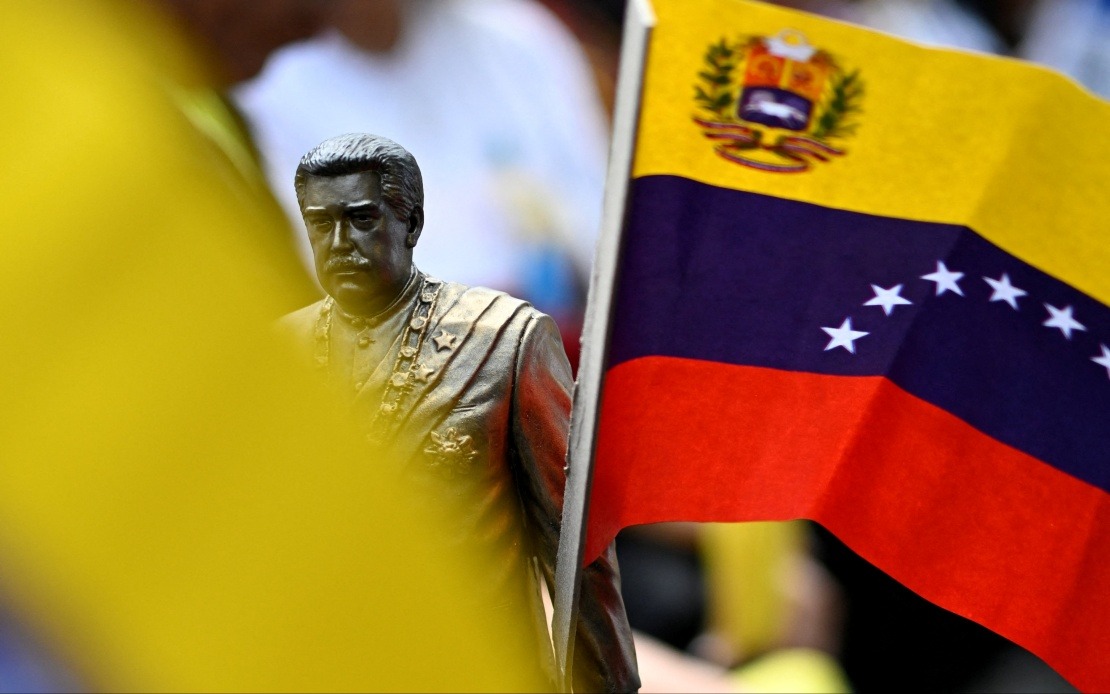
A United States federal judge has set June 1, 2027 as the trial date for Venezuelan President Nicolas Maduro and his wife Cilia Flores, marking a significant procedural milestone in one of the most contentious international legal cases in recent memory. Judge Alvin Hellerstein issued the decision during a brief 15-minute hearing in Manhattan on Wednesday, following a joint request from defence and prosecution lawyers. The couple, who have maintained their not guilty pleas to charges of drug trafficking and illegal firearms trafficking, appeared in the New York courtroom for their third hearing since their extraordinary capture in early January.
The circumstances surrounding Maduro's seizure remain the focal point of international controversy. According to court records, US military forces conducted a large-scale military operation on January 3, launching what authorities characterised as a targeted strike against Venezuela. During this operation, the Venezuelan leader and his wife were forcibly taken from their residence in Caracas and subsequently transported to New York, where they have been detained at the Metropolitan Detention Centre in Brooklyn since January 5. The military nature of the operation and the cross-border enforcement action have attracted criticism from governments and legal experts worldwide, who have raised serious questions about international law compliance and sovereignty violations.
Maduro's legal team, led by defence attorney Barry Pollack, has signalled their intention to mount a fundamental challenge to the prosecution's case through a motion questioning the court's jurisdiction over a sitting foreign head of state. Pollack has indicated that the defence will file a sovereign immunity motion, arguing that sitting presidents cannot be prosecuted in foreign courts for acts undertaken in their official capacity. Should this motion succeed, it could potentially invalidate the entire proceedings and result in dismissal of all charges without proceeding to trial. This legal strategy reflects the unusual nature of the case, where questions of international protocol and executive privilege intersect with criminal prosecution.
The trial date announcement coincided with substantial protests outside the courthouse, where demonstrators gathered to express opposition to what they characterise as an unlawful abduction of a sovereign nation's leader. The demonstration reflected broader concerns within activist communities about the precedent being set by the US military's direct intervention in Venezuelan territory. Allison Gunderson, a protester from Minneapolis, articulated the protesters' central concern: that the United States has prosecuted a democratically elected president following what amounts to an illegal kidnapping. She and others present argued that such actions undermine international legal norms and establish dangerous precedents for military intervention against foreign governments.
Criticism of the operation extended beyond individual activists to include representatives of established peace and labour organisations. Tom Burke, a steering committee member of the Anti-War Action Network, voiced concern that the entire process—from the abduction through detention and now to trial—violates established principles of international law. Burke employed pointed rhetoric to characterise the operation, describing it as "armed robbery" and suggesting that the action fundamentally damages US credibility on the international stage. He argued that other nations are observing these developments closely and drawing conclusions about American trustworthiness and adherence to international legal principles, potentially weakening US diplomatic standing in coming years.
Sara Flounders, a political commentator and author, drew attention to the symbolic significance of the hearing's timing, noting that Wednesday marked the 200th day since Maduro's initial capture. Flounders used the occasion to contextualise the Venezuelan situation within a broader pattern of US military and diplomatic interventions, specifically referencing parallel operations and sanctions regimes targeting Iran and Cuba. She framed the protests as part of a sustained effort to document and oppose what she characterised as recurring American overseas operations, emphasising that activists maintain careful record of such actions and remain committed to building international solidarity movements in response.
The extended timeline to trial—nearly three and a half years from the current date—reflects the complexity of the legal proceedings and the numerous procedural steps that remain. Beyond the sovereign immunity question, the defence will likely pursue additional motions challenging evidence admissibility, questioning the validity of the arrest, and raising constitutional concerns about detention conditions and due process. The prosecution, meanwhile, must prepare an extensive case involving international drug trafficking allegations and firearms charges, requiring significant evidence gathering and witness preparation across multiple jurisdictions.
The case carries profound implications for Southeast Asian nations, particularly regarding broader questions of military intervention and sovereignty protection. Malaysia and other ASEAN members have consistently advocated for strict adherence to international law principles, including respect for territorial integrity and non-interference in internal affairs. The Maduro proceedings establish potential precedents about how powerful nations might justify extraordinary enforcement actions against foreign leaders, raising concerns about the security and independence of smaller nations in their dealings with larger powers.
The detention of Maduro and his wife continues to generate diplomatic tensions between the United States and Venezuela, whilst simultaneously drawing attention from countries concerned about the universalisation of extraterritorial enforcement and military intervention. The case also highlights the intersection of criminal justice, international relations, and political conflict, where legal proceedings become vehicles for broader geopolitical struggles. As the trial date approaches over the coming years, courts will grapple with fundamental questions about the limits of judicial authority in cases involving foreign sovereigns and the appropriate balance between pursuing criminal accountability and respecting international legal principles.

