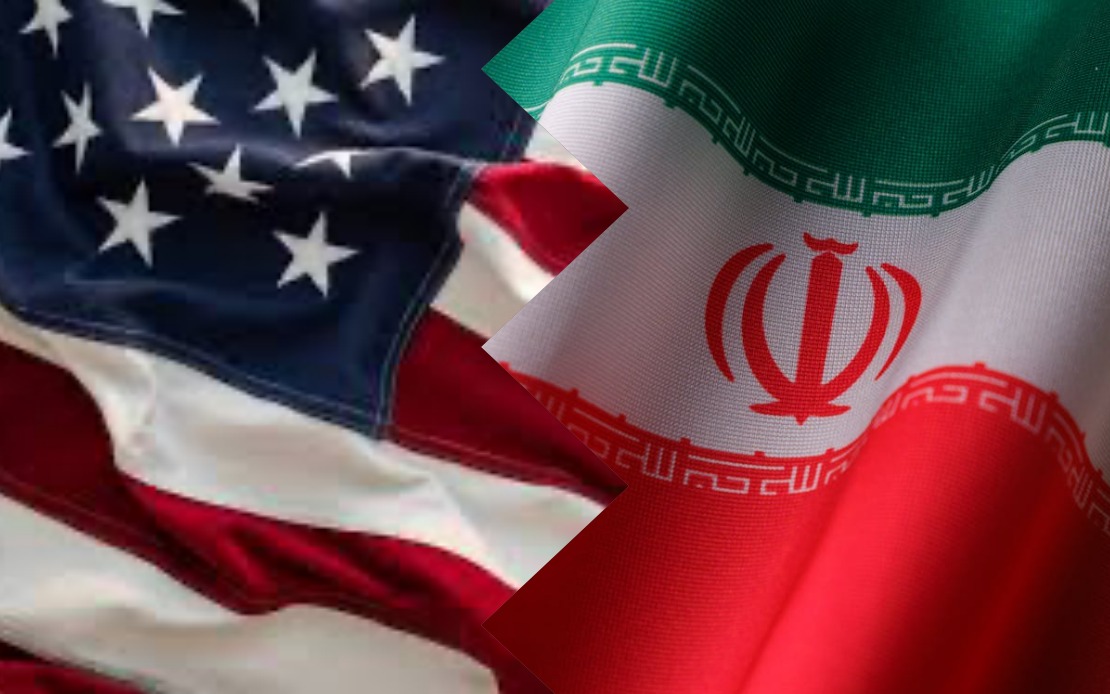
American military forces carried out a second wave of offensive operations against Iran on Wednesday afternoon, marking a fresh escalation in the volatile confrontation between Washington and Tehran. The Central Command confirmed the strikes were initiated at 3 p.m. Eastern Time and focused on dismantling Iranian military infrastructure that poses threats to international shipping transiting one of the world's most strategically important waterways. The Strait of Hormuz, through which roughly one-fifth of global oil passes, remains central to international trade and energy security, making any disruption there a matter of significant concern for nations far beyond the immediate region.
According to CENTCOM's statement, the military action was directed specifically at neutralising Iranian capabilities that endanger the free passage of commercial vessels through the strait. The characterisation of these facilities as destabilising rather than merely defensive reflects the broader American narrative that Iran poses an ongoing threat to maritime commerce and regional stability. By framing the operation in these terms, Washington emphasises the necessity and proportionality of its military response, positioning itself as protecting global economic interests rather than pursuing unilateral aggression.
President Donald Trump ordered the strikes and has been increasingly vocal about his administration's stance towards Iran. Earlier on Wednesday, Trump issued a direct warning to Tehran, suggesting that Iranian leaders comprehend Washington's position clearly and advising them to "better behave" moving forward. This combination of military action backed by explicit political messaging represents a deliberate strategy of demonstrating resolve while simultaneously attempting to deter further Iranian escalation through both military capability and rhetorical pressure.
The second wave of strikes follows earlier attacks that have characterised the recent military exchange between the two countries. The sequence of tit-for-tat operations reflects a dangerous escalatory dynamic that threatens to spiral beyond either side's intended parameters. These exchanges represent a significant departure from the diplomatic overtures that have theoretically been underway, raising serious questions about whether military momentum can be halted through negotiation alone.
Pakistan has reportedly mediated efforts to establish a memorandum of understanding aimed at terminating hostilities between the United States and Iran. However, the continued military operations suggest that any such agreements remain fragile and subject to rapid deterioration. The disconnect between diplomatic channels and military operations reveals the deep distrust characterising contemporary US-Iran relations and the difficulty in translating tentative agreements into meaningful ceasefire arrangements.
The underlying catalyst for current tensions traces back to February, when American and Israeli forces conducted coordinated attacks against Iranian targets. That offensive operation fundamentally altered the security environment and triggered a cycle of recrimination and counter-strikes that has proven difficult to interrupt. The February escalation represented a significant threshold-crossing moment that transformed from rhetoric and posturing into kinetic military action with potentially far-reaching consequences.
For Southeast Asian nations and Malaysia specifically, these developments carry substantial implications. Malaysia's economy depends significantly on stable energy supplies and uninterrupted maritime commerce. Any prolonged disruption to the Strait of Hormuz would immediately affect regional oil prices, transportation costs, and overall economic stability. Malaysian shipping companies, ports, and energy-dependent industries would face direct consequences from any military action that disrupts normal traffic through this critical waterway.
The broader geopolitical context also matters considerably for regional powers. Escalating US-Iran tensions create pressure on countries like Malaysia to navigate between maintaining relationships with both Washington and Tehran while protecting national interests. The potential for military miscalculation or an accidental incident escalating tensions further introduces uncertainty that complicates regional planning and cooperation.
Furthermore, the efficacy of Pakistan's mediation effort remains questionable given the resumption of military strikes. The failure of diplomatic interventions to prevent military action suggests that the parties involved may harbour deeply incompatible objectives that cannot be easily reconciled through conventional negotiation. Whether external mediators, including regional powers, can meaningfully influence outcomes remains an open question as military logic increasingly drives decision-making on both sides.
The Trump administration's explicit messaging that Iran "better behave" represents an attempt to establish clear boundaries and consequences for Iranian actions. Yet the repeated pattern of strikes and counter-strikes indicates that such warnings, even when backed by military force, may not produce desired behavioural change if underlying strategic interests remain unaligned. The fundamental question of what constitutes acceptable Iranian behaviour and whether Iran views American demands as legitimate remains contested.
The international community, including ASEAN nations and Malaysia, watches these developments with considerable apprehension. Escalating Middle Eastern tensions historically trigger energy price volatility, investment uncertainty, and broader economic disruptions that ripple through global markets and affect developing economies disproportionately. The cost of instability extends far beyond the immediate combatants and affects nations seemingly distant from the conflict geographically.

