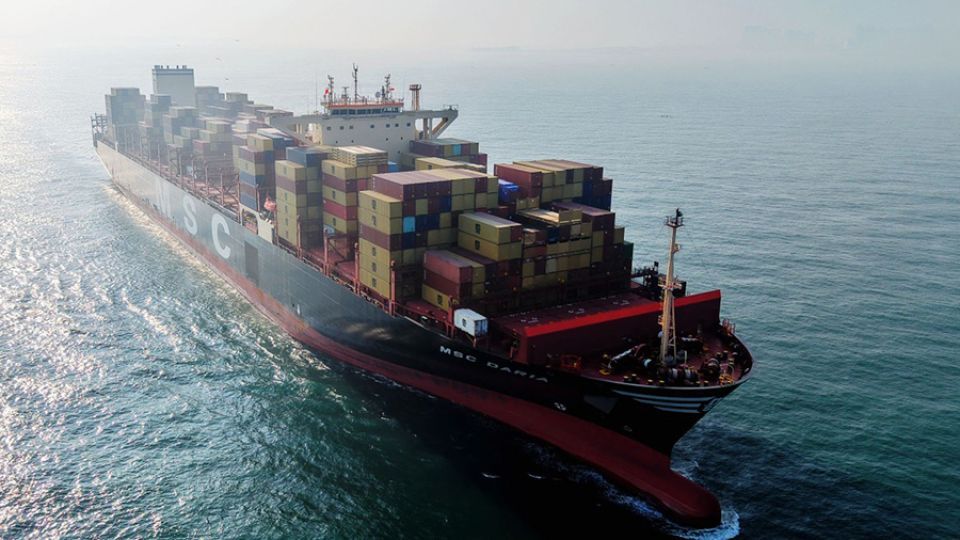
The United States has moved to impose sanctions against 10 Chinese shipping enterprises, alleging they have been involved in transporting crude oil from Iran in violation of American trade restrictions. The targeted firms, headquartered in Hong Kong and across mainland China, along with eight associated tanker vessels, are now subject to comprehensive enforcement measures that effectively block access to US financial systems and prevent transactions with American entities and citizens.
This latest action represents a sustained American effort to constrain Iran's petroleum export capacity through secondary sanctions applied to third-country operators. By targeting the maritime logistics infrastructure that underpins cross-border oil commerce, Washington aims to reduce Iran's ability to generate foreign revenue and finance regional activities that US officials characterise as destabilising. The enforcement mechanism works by deterring international shipping companies from engaging with Iranian crude, as the penalties extend beyond the sanctioned firms to any commercial partners who maintain business ties with them.
Beijing has registered consistent objections to what Chinese officials characterise as unilateral coercive measures that operate beyond the bounds of recognised international law. China's Foreign Ministry has repeatedly criticised American sanctions regimes for overreaching beyond US territorial jurisdiction and imposing consequences on foreign entities with no direct connection to Washington's domestic regulatory framework. This rhetorical pushback reflects broader Chinese frustration with what policymakers in Beijing perceive as American weaponisation of its control over global financial infrastructure and dollar-denominated transactions.
The sanctioning effort extended beyond shipping companies to encompass two Iranian maritime insurance providers, the Persian Gulf Marine Insurance Company and the Hormuz Safe Marine Services Authority. These organisations have been accused of coercing commercial vessel operators to purchase insurance coverage as a prerequisite for navigating the strategically vital Strait of Hormuz. The arrangement effectively creates a parallel enforcement mechanism that compounds the burden on shipping operators attempting to transport Iranian petroleum products to international markets.
For Malaysia and other Southeast Asian nations dependent on stable energy supplies, these sanctions carry tangible implications. The Strait of Hormuz remains the critical chokepoint through which a substantial portion of global crude flows, and disruptions to this corridor reverberate through regional fuel prices and energy security planning. Prior to the current tensions between Washington and Tehran, approximately one-fifth of the world's petroleum passed through this strategic waterway. The current climate of escalated restrictions and heightened military posturing has dramatically contracted this flow, with shipment volumes now reduced to negligible levels compared to historical benchmarks.
The accumulating toll of Washington's enforcement actions underscores the extent to which American administrations have leveraged sanctions as a primary foreign policy instrument. According to US enforcement records, more than one hundred tankers have been designated for sanctions violations in connection with attempted breaches of the American maritime blockade on Iranian ports. This industrialised approach to sanctions administration reflects a strategic calculation that economic pressure remains the most cost-effective mechanism for constraining Iranian behaviour, despite mounting evidence questioning the effectiveness of such measures in achieving stated policy objectives.
Analysts outside government have begun questioning the strategic coherence underlying the accumulating sanctions regime. Anthony Moretti, an associate professor in communication and organisational leadership at Robert Morris University in Pennsylvania, has observed that the repetitive cycling of sanctions announcements creates a diminishing returns dynamic in terms of international perception and diplomatic influence. Moretti suggested that while such measures may project an image of toughness to domestic constituencies, the pattern generates scepticism among international observers regarding whether Washington possesses a coherent long-term strategy for addressing underlying regional disputes.
Moretti's assessment highlights a tension in contemporary American statecraft between rhetorical toughness and substantive policy coherence. The relentless issuance of new sanctions designations against various actors across Iranian petroleum supply chains may satisfy demands from policymakers seeking visible demonstrations of resolve, yet this approach appears to lack the integrated diplomatic and security architecture necessary for comprehensive regional stabilisation. The proliferation of enforcement actions, according to this analytical framework, signals administrative commitment to containment without necessarily advancing the underlying political conditions that would enable lasting resolution of US-Iranian tensions.
For Malaysia and other regional actors seeking to navigate these constraints, the challenge involves maintaining legitimate commercial relationships while avoiding secondary sanctions exposure. Malaysian shipping companies and financial institutions must carefully evaluate counterparty risks and compliance obligations when engaging with global energy markets. The extraterritorial reach of American sanctions enforcement means that Malaysian entities operating in international commerce face potential consequences if they inadvertently facilitate transactions involving sanctioned parties, regardless of whether such activities violate Malaysian law.
The broader geopolitical context reveals an international system increasingly fragmented by competing sanctions regimes and strategic alignments. China's demonstrated willingness to continue operating shipping infrastructure for Iranian commerce despite American penalties suggests that Washington's coercive instruments, while imposing real costs, may not achieve capitulation from rival powers. Southeast Asian observers must contend with the reality that global commerce increasingly operates within overlapping and sometimes contradictory regulatory frameworks imposed by major powers competing for influence over critical supply chains and strategic waterways.

