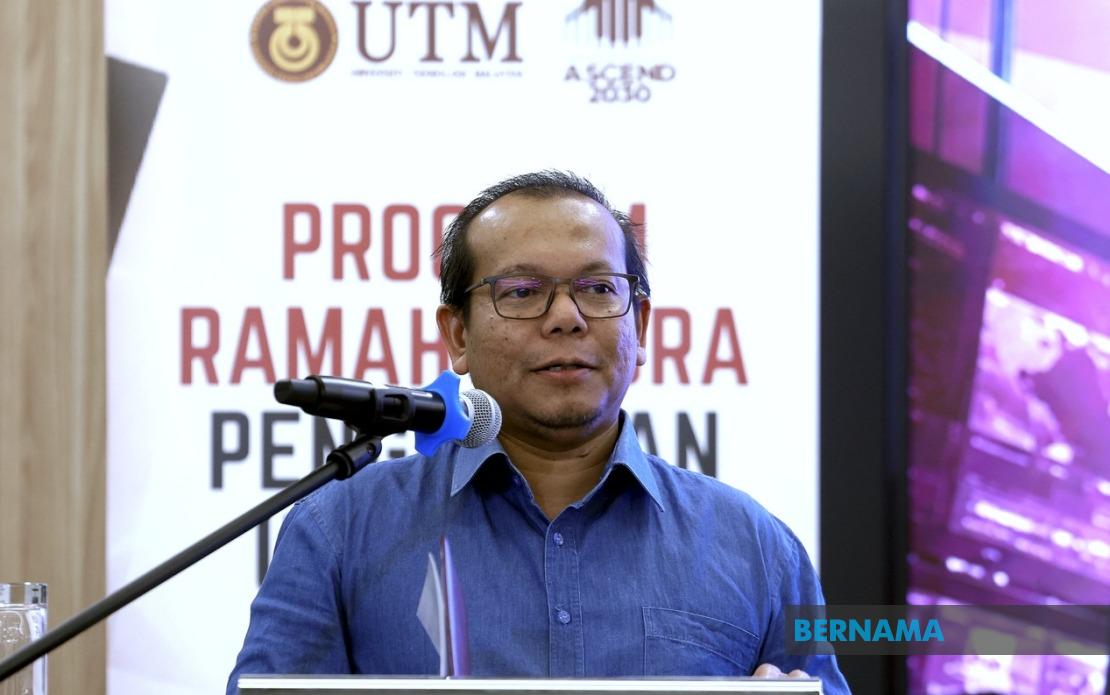
Universiti Teknologi Malaysia has moved to fortify its relationship with media organisations, recognising that accurate communication channels are vital for protecting institutional credibility in an increasingly complex information environment. Vice-Chancellor Prof Dr Mohd Shafry Mohd Rahim underscored this imperative during a University Management's Media Networking Session, emphasising that higher education institutions depend on responsible reporting to maintain public confidence and counter the damaging effects of misinformation.
The initiative reflects growing concerns within Malaysia's academic sector about reputational vulnerability. Universities invest decades cultivating public trust and scholarly standing, yet a single wave of inaccurate allegations or sensationalised criticism can rapidly erode years of institutional goodwill. Prof Mohd Shafry articulated this imbalance starkly, noting that the time required to establish a reputable university bears no proportion to the speed with which negative misportrayal can undermine it. This asymmetry has prompted UTM to adopt a more proactive engagement strategy with the fourth estate.
The collaboration framework extends beyond mere damage control. UTM has committed to supplementing media capabilities through substantive knowledge-sharing initiatives. The university plans to organise training programmes focused on artificial intelligence applications, equipping journalists with technical literacy to report accurately on AI-driven developments and innovations emanating from Malaysian research institutions. This approach acknowledges that many journalists lack specialised expertise in emerging fields, and institutional support can elevate overall reporting standards.
Access to credible expert sources represents another cornerstone of the partnership architecture. UTM has undertaken to facilitate journalist contact with its professors and subject-matter specialists, positioning university researchers as reliable reference sources for complex technical stories. Rather than leaving journalists to navigate conflicting claims or incomplete information, this mechanism enables newsrooms to ground their reporting in peer-reviewed scholarship and direct academic input. The move should reduce instances where media outlets inadvertently misrepresent research findings or amplify speculative claims lacking rigorous foundation.
The Malaysian National News Agency (Bernama) participated prominently in the networking session, with Chief Executive Officer Datin Paduka Nur-ul Afida Kamaludin and Acting Deputy Editor-in-Chief (Economic News Service) Harlina Samson in attendance. Bernama's involvement is significant given its role as Malaysia's official news agency with responsibility for disseminating information to domestic and international audiences. The agency's engagement signals that government-aligned media institutions recognise the value of deeper ties with the academic sector.
UTM is simultaneously developing internal mechanisms to enhance the visibility and accessibility of its research outputs. The university recognises that even rigorous, innovative scholarship languishes in obscurity if institutional communications fail to translate academic work into language and formats that busy journalists can readily integrate into news cycles. By streamlining how research findings reach media organisations, UTM aims to populate news coverage with evidence-based stories that advance public understanding rather than speculation or incomplete narratives.
This initiative carries particular relevance for Southeast Asia's higher education landscape, where institutions across the region face similar challenges regarding media relations and public perception. Malaysian universities compete internationally for student recruitment, research funding, and academic prestige, and their collective reputation influences broader perceptions of the nation's knowledge economy. Misinformation that portrays Malaysian academics or research institutions unfavourably can deter both international scholars and investment in local research infrastructure.
The reputational stakes extend beyond individual campuses to the entire higher education ecosystem. When media coverage misrepresents academic institutions or oversimplifies complex research, it risks eroding public confidence in universities as reliable sources of expertise. This erosion becomes particularly consequential in policy domains—such as climate science, public health, or technological governance—where accurate scientific communication directly influences government decision-making and societal response. By strengthening media-academic partnerships, UTM contributes to a broader infrastructure of epistemic integrity.
Prof Mohd Shafry's remarks also implicitly acknowledge the fragmented media environment that contemporary institutions navigate. Traditional news organisations coexist with social media platforms, online blogs, and alternative news sites, many of which operate without rigorous editorial standards or fact-checking protocols. Establishing formal partnerships with established agencies like Bernama represents one component of a comprehensive strategy to ensure that accurate institutional narratives compete effectively alongside less reliable sources in the information marketplace.
The initiative also reflects institutional self-awareness regarding the limits of direct marketing or public relations efforts. While universities maintain their own communications departments, third-party validation through credible media coverage carries greater persuasive weight with public audiences. By facilitating journalist access to authentic expertise and research data, UTM effectively leverages media credibility to amplify its institutional messages, achieving more authentic public engagement than traditional university promotional campaigns could accomplish.
Looking forward, the success of this partnership framework will depend on sustained commitment from both parties. Media organisations must genuinely utilise the expert resources UTM provides rather than superficially acknowledging the arrangement. Similarly, UTM must ensure its communications infrastructure enables rapid, responsive engagement with journalists operating under pressing deadlines. The relationship also requires mutual respect for professional independence—journalists must retain editorial autonomy, and universities must accept that balanced reporting sometimes includes legitimate criticism.
The University Management's Media Networking Session ultimately represents a maturing recognition that higher education institutions and news organisations share fundamental interests in cultivating a well-informed public capable of navigating complex contemporary challenges. By formalising collaboration mechanisms and committing resources to enhance journalistic capacity, UTM positions itself as an institutional leader in defending epistemic standards and public discourse quality. This approach offers a potentially replicable model for other Malaysian universities seeking to strengthen their media relationships and protect their reputations during an era of information abundance but declining trust in authoritative sources.

