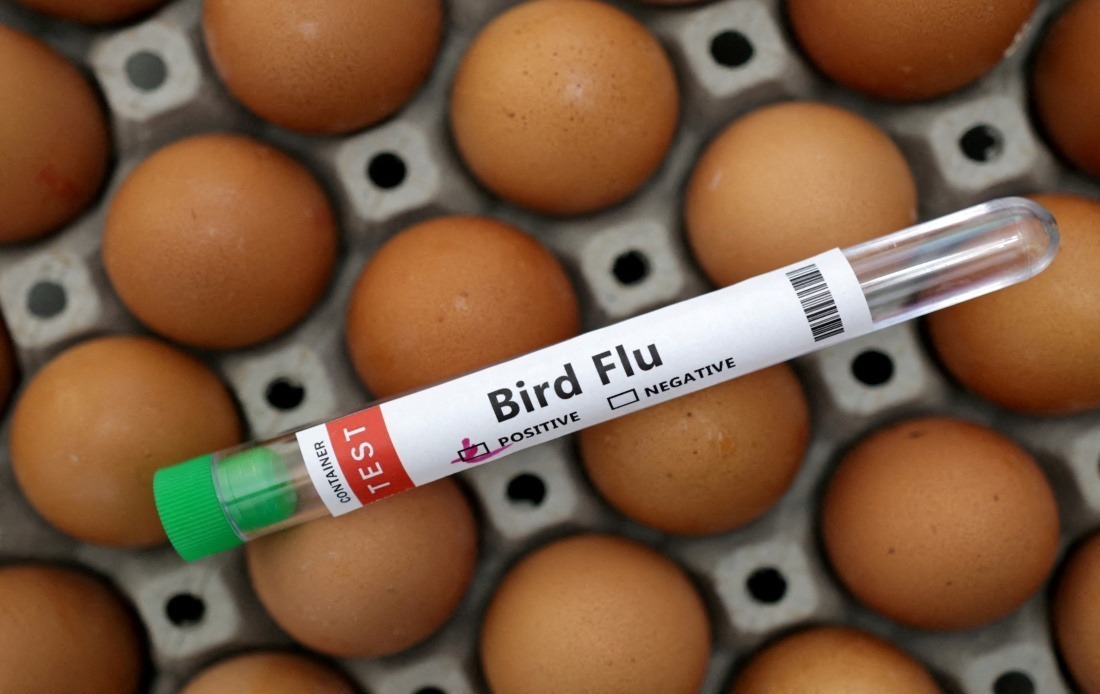
Victoria has become Australia's first state to impose a mandatory indoor housing requirement for poultry producers in response to a mounting crisis of H5N1 avian influenza detections. The directive, which builds upon previously voluntary guidelines, represents an escalation in Australia's biosecurity response to what remains a predominantly wildlife-driven outbreak. Effective immediately, the order mandates that producers managing flocks exceeding 50 birds must confine their animals indoors, with authorities initially committing to maintain the restriction for a fortnight.
The decision reflects growing anxiety within government circles about the virus's trajectory across Victoria's landscape. Chief Veterinary Officer Graeme Cook identified recent positive cases in Yambuk, Apollo Bay, and Clyde as catalysts for strengthening containment protocols. These detections signal that the virus is penetrating previously unaffected regions, necessitating a more assertive approach to isolating domesticated birds from potentially contaminated wildlife populations. Agriculture Minister Michaela Settle characterised the intervention as forward-looking and precautionary, underscoring authorities' determination to prevent the virus from establishing itself within Australia's commercial poultry production infrastructure.
The epidemiological picture reveals why such caution has taken hold. Australian Chief Veterinary Officer Beth Cookson announced that testing had confirmed an additional 20 positive cases within Victoria, exclusively involving greater crested terns concentrated around Portland and Nelson. These marine birds represent the primary reservoir for the circulating virus, though the cumulative national toll now stands at 175 confirmed or presumed positive detections based on laboratory samples. The fact that all identified cases have emerged from wild bird populations rather than farmed operations offers some reassurance, yet authorities recognise that complacency invites catastrophe.
Underlying this regulatory shift is an acute awareness of how rapidly such outbreaks can transition from wildlife events into agricultural crises. Should H5N1 breach the boundary separating wild populations from commercial flocks, the consequences would prove economically devastating and epidemiologically complex. Victoria's poultry sector represents a significant economic contributor, and a widespread farm infection would trigger export restrictions and domestic market disruption. The indoor housing mandate essentially implements a protective barrier, reducing exposure vectors at a time when the virus demonstrates both geographic spread and persistent circulation.
For Malaysian and Southeast Asian observers, Victoria's experience offers instructive parallels with regional biosecurity challenges. Southeast Asia has repeatedly encountered avian influenza pressures over past decades, requiring governments to balance agricultural productivity against public health imperatives. The Australian approach—mandatory rather than voluntary measures—reflects a philosophy that when viral dynamics accelerate, reliance on industry cooperation becomes insufficient. This model may resonate with regional policymakers contemplating their own preparedness frameworks, particularly given poultry farming's centrality to food security and rural livelihoods across the region.
The mandatory nature of Victoria's order also signals a recalibration in how authorities assess risk communication. Initially, the voluntary housing suggestions apparently failed to achieve sufficient uptake, prompting officials to transition toward regulatory compulsion. This progression underscores a fundamental tension within biosecurity governance: how to balance respect for agricultural operators' autonomy against the imperative to prevent systemic threats. By making the measure mandatory rather than advisory, Victoria's government prioritises containment certainty, effectively sacrificing flexibility for compliance assurance.
Cultural events have already registered the outbreak's disruptive impact. The Royal Adelaide Show, scheduled for the coming month, has cancelled its bird and poultry exhibition component, reflecting both practical precautions and symbolic acknowledgment of the threat landscape. Such decisions, though seemingly peripheral to biosecurity per se, demonstrate how avian influenza reverberates across social and commercial life, extending consequences well beyond production facilities and wildlife monitoring stations.
Authorities have been careful to contextualise the outbreak within existing risk parameters. Officials consistently emphasise that human transmission risk remains negligible and that no infections have penetrated Australia's agricultural production system. This measured messaging seeks to avoid triggering panic while simultaneously justifying the intensified regulatory posture. The distinction between observable risk and manageable risk thus becomes central to maintaining public confidence and stakeholder cooperation.
The 14-day timeline attached to the initial order suggests authorities view this as a transitional measure rather than permanent policy. However, whether restrictions will ease or extend depends substantially on epidemiological developments over coming weeks. If new detections accelerate or geographic spread continues, Victoria's government will almost certainly maintain or intensify the mandate. Conversely, if case numbers plateau and spatial distribution stabilises, authorities may consider relaxing requirements. This contingent framing leaves operators in a state of pronounced uncertainty, forcing them to prepare for either rapid normalisation or prolonged containment.
The emergence of H5N1 in Australian wildlife during the Southern Hemisphere winter carries particular significance given seasonal patterns of avian movement and congregation. As temperatures drop and food availability shifts, wild bird behaviour changes in ways that can either facilitate or inhibit viral transmission. Victoria's authorities are essentially racing against seasonal dynamics, attempting to establish protective infrastructure before conditions favour explosive outbreak amplification.
Looking forward, this episode exemplifies how contemporary biosecurity increasingly requires states to intervene decisively in agricultural operations when disease threats materialise. Victoria's mandatory indoor housing precedent will likely influence how other Australian jurisdictions calibrate their own responses should H5N1 appear in their territories. Beyond Australia, the measure demonstrates that even wealthy developed nations with sophisticated veterinary infrastructure resort to blunt, production-constraining tools when precision control proves elusive. For producers globally, including those in Southeast Asia, this Australian experience reinforces that avian influenza remains an ongoing challenge demanding adaptive management and regulatory readiness.

