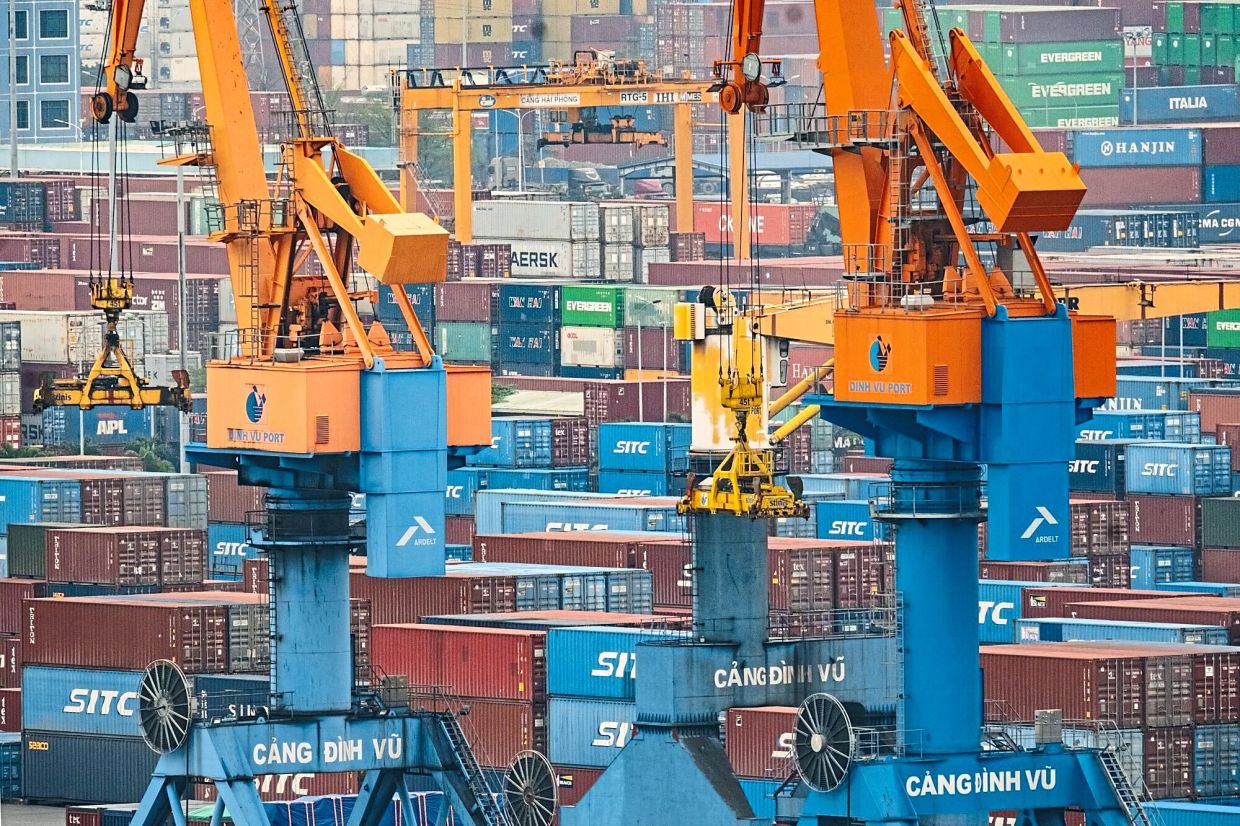
Vietnam has stepped up diplomatic efforts to unlock months of stalled trade negotiations with the United States, with Deputy Prime Minister Nguyen Van Thang meeting US Trade Representative Jamieson Greer in Washington to reaffirm the Southeast Asian nation's commitment to resolving outstanding commercial disputes. The encounter underscores Hanoi's anxiety that protracted wrangling over tariff arrangements could imperil its position as a manufacturing hub and investment destination, particularly given its pronounced dependence on trade flows and foreign capital.
Thang's visit carries significance beyond routine diplomatic protocol. The Vietnamese official used the engagement to signal Hanoi's openness to substantive concessions on issues that have created friction with the Trump administration, specifically the transshipment of goods through Vietnamese ports and borders—a practice the US contends masks the origin of Chinese-manufactured products destined for American consumers. By publicly endorsing an "open, constructive" dialogue framework, Thang attempted to reset the tone of negotiations that have grown increasingly contentious over the past several months.
The underlying challenge confronting both capitals centres on what US officials perceive as inadequate Vietnamese oversight of its supply chains and borders. Washington's concern stems from a tangible economic reality: manufacturers across Asia have increasingly relocated or diversified their production bases to Vietnam, partly to mitigate exposure to American tariffs on Chinese goods. This shift has inadvertently created opportunities for Chinese producers to route their wares through Vietnam, circumventing trade restrictions and tariff walls imposed by the Trump administration. The arrangement benefits Vietnamese intermediaries and logistics operators whilst complicating American efforts to enforce trade law.
The US has employed its investigative apparatus to pressure Vietnam into compliance. Three simultaneous Section 301 investigations, initiated by Greer's office, examine Vietnam's broader trade practices and intellectual property enforcement. In April, the office formally designated Vietnam a "priority foreign country," citing persistent failures to combat online piracy, suppress counterfeit merchandise trafficking, and maintain adequate border controls. The investigation conclusions, expected in November, carry material consequences—unfavourable findings could trigger substantial tariff increases on Vietnamese exports, a prospect that alarms policymakers in Hanoi.
The trade imbalance between the two countries illustrates Vietnam's commercial predicament. In the first half of 2026, Vietnam registered the largest bilateral trade deficit with the United States among all American trading partners, accumulating a gap of US$114 billion—exceeding deficits with China, Mexico, and Taiwan. Paradoxically, Vietnam's own imports from China have accelerated as manufacturers establish production capacity to supply American and other Western markets. This dynamic creates a circular dependency: Vietnamese factories require Chinese components and materials to manufacture exports destined for the US, yet the very nature of these supply chains triggers American suspicion and regulatory scrutiny.
Both governments have publicly expressed urgency about concluding a reciprocal trade agreement. The two nations reached a framework accord in October, yet translating that political understanding into a binding tariff deal has proven laborious. Greer communicated to Thang that Washington wishes to expedite the process, suggesting American impatience with the pace of progress. For Vietnam, speed matters enormously—a prolonged period of uncertainty discourages foreign investors and complicates business planning across the manufacturing sector.
Thang's concurrent engagement with American technology and industrial corporations reflects Vietnam's broader investment diversification strategy. Meetings with representatives from Qualcomm Inc., Visa Inc., Axon Enterprise Inc., and Caterpillar Inc. sought to convince these multinational firms that Vietnam remains an attractive location for capital deployment despite the trade turbulence. The Deputy Prime Minister likely emphasised Vietnam's young workforce, improving infrastructure, and political stability relative to other Southeast Asian alternatives. Successfully attracting additional foreign direct investment could offset potential tariff impacts and reinforce Vietnam's economic resilience.
For Malaysia and other Southeast Asian economies, Vietnam's predicament carries instructive implications. The region collectively faces American pressure to demonstrate stricter intellectual property enforcement, enhanced border controls, and transparent supply chain management. Like Vietnam, several ASEAN members have become intermediate manufacturing hubs, creating structural vulnerabilities to US trade policy shifts. The ongoing Vietnam-US negotiations may establish precedents that shape how the Trump administration engages with other regional trading partners.
The broader context involves geopolitical calculation. Vietnam has cultivated closer strategic partnerships with the United States as part of a deliberate hedging strategy against Chinese influence in Southeast Asia. Hanoi views economic integration with America as both commercially beneficial and strategically stabilising. However, the trade friction threatens to undermine this alignment, creating political complications for Vietnamese leadership. Demonstrating willingness to accommodate American demands, as Thang did, represents an attempt to preserve the relationship whilst protecting domestic economic interests.

