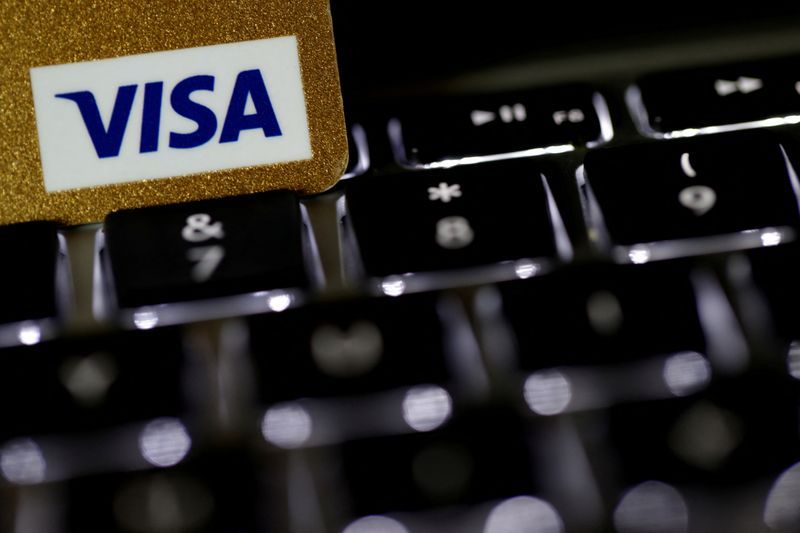
Visa has committed to acquiring BioCatch, a leading fraud intelligence platform, for $2.4 billion in an all-cash transaction that underscores the payment industry's intensifying focus on digital security. The deal, which involves investment firm Permira and other shareholders divesting their stakes, represents one of the most significant cybersecurity acquisitions by a major payment processor this year and signals Visa's determination to stay ahead of rapidly evolving fraud threats.
The acquisition will substantially expand Visa's existing arsenal of fraud detection, risk management, and cybersecurity tools. By integrating BioCatch's specialised technology, Visa aims to provide its global clientele with more sophisticated protection mechanisms that can identify fraudulent activity before transactions are completed. This preventative approach addresses a critical vulnerability in current payment systems, where fraud often becomes apparent only after funds have been transferred or accounts compromised.
BioCatch's core technology relies on behavioural biometrics to distinguish genuine users from criminals attempting to gain unauthorised access. The platform analyses distinctive patterns such as how individuals type on keyboards, interact with touchscreens, and handle their devices. These micro-level behavioural signals create a unique digital fingerprint for each legitimate user, making it significantly harder for fraudsters to impersonate account holders even if they possess passwords or authentication credentials.
The scope of BioCatch's current operations demonstrates the scale of the opportunity Visa sees in this acquisition. Since its establishment in 2011, the company has cultivated relationships with more than 350 banking institutions spanning 21 countries. Its technology provides protection across 1.8 billion connected devices globally and actively monitors activity from 760 million individual users, creating an enormous dataset that enhances machine learning models and fraud detection accuracy across the network.
The economic imperative driving such acquisitions cannot be overstated. Account takeovers and fraud-related scams inflict over $1 trillion in annual losses across the global economy, a figure that has grown substantially as artificial intelligence enables criminals to launch attacks at unprecedented velocity and scale. Andrew Torre, Visa's president of value-added services, emphasised that BioCatch's capabilities will help customers identify and prevent fraudulent transactions before they can cause financial damage, shifting the battleground from reactive response to proactive prevention.
This acquisition fits within a broader strategic pattern adopted by major payment processors. Mastercard completed a $2.65 billion purchase of threat intelligence firm Recorded Future in 2024, demonstrating that such large-scale cybersecurity investments have become standard practice among payment giants. Visa itself acquired Featurespace, another payments protection specialist, during the same year, indicating that the company is pursuing a deliberate multi-pronged strategy to consolidate best-in-class security capabilities.
Visa's cumulative investment in cybersecurity infrastructure reflects the severity of the threat landscape. Over the past five years alone, the company has deployed more than $13 billion towards developing and acquiring technology and infrastructure designed to combat fraud. This massive capital commitment demonstrates that payment processors now regard cybersecurity not as a peripheral function but as a core competitive differentiator and operational necessity.
The timing and regulatory pathway for the BioCatch transaction suggest manageable integration challenges ahead. Visa expects the deal to receive final approval and close by the end of its fiscal second quarter in 2027, providing roughly two years for the companies to align their systems, cultures, and operational procedures. This extended timeline allows for careful integration that minimises disruption to the 350 banking clients who currently depend on BioCatch's services while enabling Visa to incorporate the technology into its broader platform architecture.
For Southeast Asian financial institutions and payment ecosystem participants, this acquisition carries significant implications. As fraud sophistication increases across the region and cybercriminals increasingly target high-growth markets with less mature security infrastructure, access to enterprise-grade fraud detection tools becomes increasingly critical. Visa's expanded capabilities will eventually trickle down to regional banks and fintech companies that rely on the payment processor's infrastructure, potentially democratising access to advanced behavioral analytics that were previously available only to the largest institutions.
The consolidation of fraud prevention capabilities within major payment networks also raises important questions about security standardisation and data governance in Southeast Asia. As Visa integrates BioCatch's massive dataset and algorithmic models into its global operations, questions will emerge regarding cross-border data flows, privacy compliance with varying national regulations, and the appropriate balance between security enhancement and user privacy protection across different jurisdictions.
Beyond the immediate technical and commercial implications, this transaction reflects deeper shifts in how financial services companies now prioritise cybersecurity expenditure. Rather than viewing fraud prevention as a cost centre to be minimised, payment processors have come to understand that sophisticated security capabilities attract institutional clients and justify premium positioning in a competitive market. BioCatch's proprietary behavioural analytics and established client base make it a particularly attractive asset in this context, justifying the substantial valuation Visa is willing to pay.
The acquisition also demonstrates how artificial intelligence has become both a threat vector and a defensive tool in financial services. While AI enables fraudsters to automate attacks and personalise scams at scale, the same technology powers next-generation fraud detection systems that can process vast volumes of behavioural data and identify anomalies faster than human analysts. BioCatch's platform exemplifies this trend, using machine learning to continuously refine its ability to distinguish legitimate transactions from fraudulent ones across diverse geographic markets and customer demographics.

