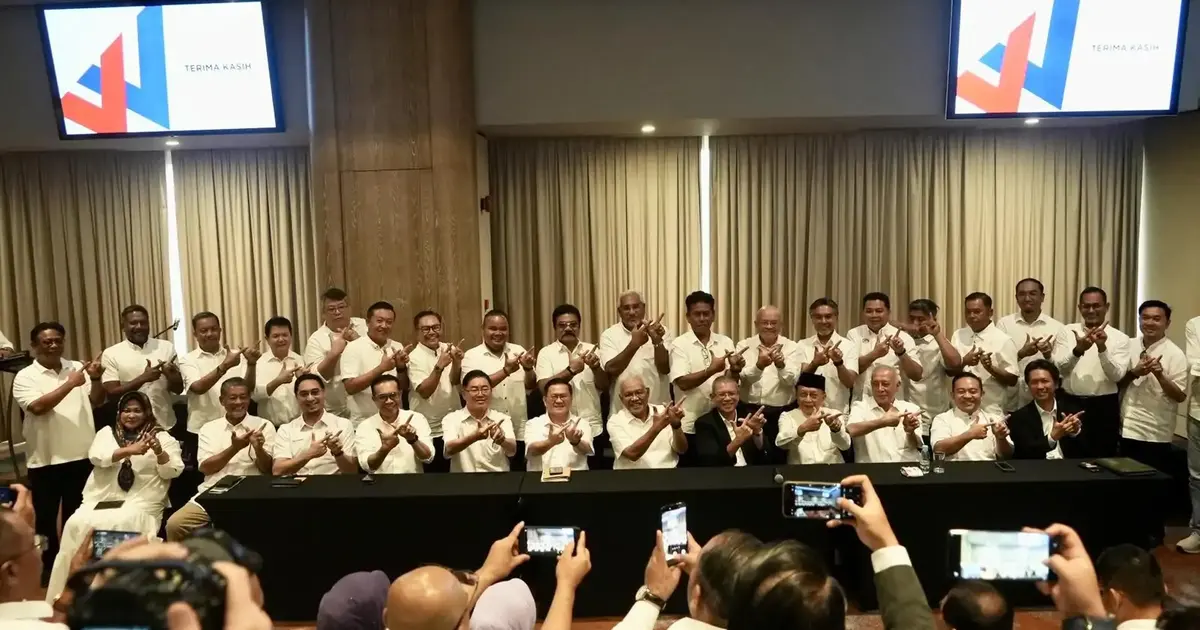
Perikatan Nasional's admission of Wawasan as a member has been formally decided through a majority vote at the Supreme Council level, according to election director Sanusi, effectively closing a chapter of internal tension within the opposition coalition. The confirmation represents the coalition's official position on incorporating the newly-formed political entity into its ranks, following weeks of deliberation among top leadership figures across the alliance's component parties.
Sanusi's statement addressed mounting questions about the legitimacy and procedure surrounding Wawasan's entry into PN, particularly following vocal reservations from Bersatu, one of PN's founding members. While acknowledging that Bersatu's objections had been noted during proceedings, Sanusi made clear that the Supreme Council's decision-making process had proceeded according to established protocols, with the majority vote settling the matter conclusively. This explanation underscores how consensus-based decision-making within the broad PN coalition must ultimately yield to democratic voting procedures when disagreements persist among component parties.
The situation highlights a fundamental tension within the PN structure regarding expansion and membership criteria. Bersatu's resistance to Wawasan's admission appears rooted in concerns about diluting the coalition's ideological coherence or potentially reducing the influence of established member parties. However, other PN components evidently viewed Wawasan's incorporation as strategically beneficial, whether for electoral reach, demographic appeal, or geographic expansion. Such internal negotiations occur regularly within opposition coalitions, where smaller entities jockey for influence and larger blocs seek to strengthen their collective parliamentary presence.
For Malaysian political observers, the Wawasan admission episode reveals how PN has matured into an institutionalised coalition with formal governance structures capable of managing disagreement through constitutional processes. Unlike earlier iterations of opposition cooperation that often dissolved amid personality clashes or unresolved disputes, PN's reliance on Supreme Council votes suggests an attempt to depersonalise decision-making and anchor it in documented procedures. This institutional maturity may ultimately strengthen the coalition's durability, though it also demonstrates that not all members will be satisfied with every outcome.
Bersatu's public stance on the matter merits closer examination, as the party occupies a peculiar position within PN. As a party with former Prime Minister Mahathir Mohamed's endorsement and considerable influence, Bersatu carries weight in coalition deliberations. Yet even substantial influence cannot guarantee veto power when a formal vote is called. The party's willingness to voice objections despite the unfavourable outcome suggests that Bersatu leadership felt obligated to signal its position to both internal supporters and external observers, even if victory in the Supreme Council was unlikely. This approach preserves party credibility without escalating the dispute to the level of threatening withdrawal from PN.
Wawasan's background as a newly-established political vehicle adds intrigue to the admission story. The party's rapid incorporation into PN suggests that significant PN stakeholders viewed it as serving useful electoral or tactical purposes. Whether Wawasan represents a genuine ideological addition to PN or functions primarily as a vehicle for specific political actors remains a question for Malaysian observers to assess as the party becomes more publicly visible. The coalition's willingness to admit a nascent entity also indicates some flexibility in membership requirements, which contrasts with stricter gatekeeping that might occur in more ideologically rigid alliances.
For the broader opposition landscape in Malaysia, Wawasan's admission reflects ongoing reconfiguration of anti-government political forces. Regional readers will recall that Malaysian opposition coalitions have frequently experienced volatility, with parties shifting allegiances, merging, or disbanding in response to electoral results and internal power struggles. PN's relatively successful consolidation since 2020 represents progress toward building a more stable opposition presence, and the Supreme Council's handling of the Wawasan question demonstrates procedures for managing membership disputes without triggering broader institutional collapse.
The timing of Sanusi's clarification is noteworthy, arriving amid what appears to be intensifying media and political scrutiny of PN's internal cohesion. By definitively anchoring the decision to a formal Supreme Council vote, PN leadership signals that the matter is settled and further public debate is unproductive. This messaging approach typical of established political institutions serves to demarcate the boundary between internal deliberation and external communication. Once a decision is formally taken through recognised procedures, reopening the question risks undermining institutional legitimacy.
Moving forward, observers should monitor whether Bersatu's public objections harbour deeper structural concerns about PN's direction that might surface in future coalition disputes. Parties that voice disagreements without withdrawing typically harbour expectations that their concerns will influence subsequent decision-making or that compensation may be offered on other issues. The next major coalition decisions regarding candidate selection, campaign strategy, or policy positions will reveal whether Bersatu's Wawasan position represents an isolated instance of minority-party frustration or a symptom of more fundamental disagreement about PN's strategic direction and inclusive expansion approach.