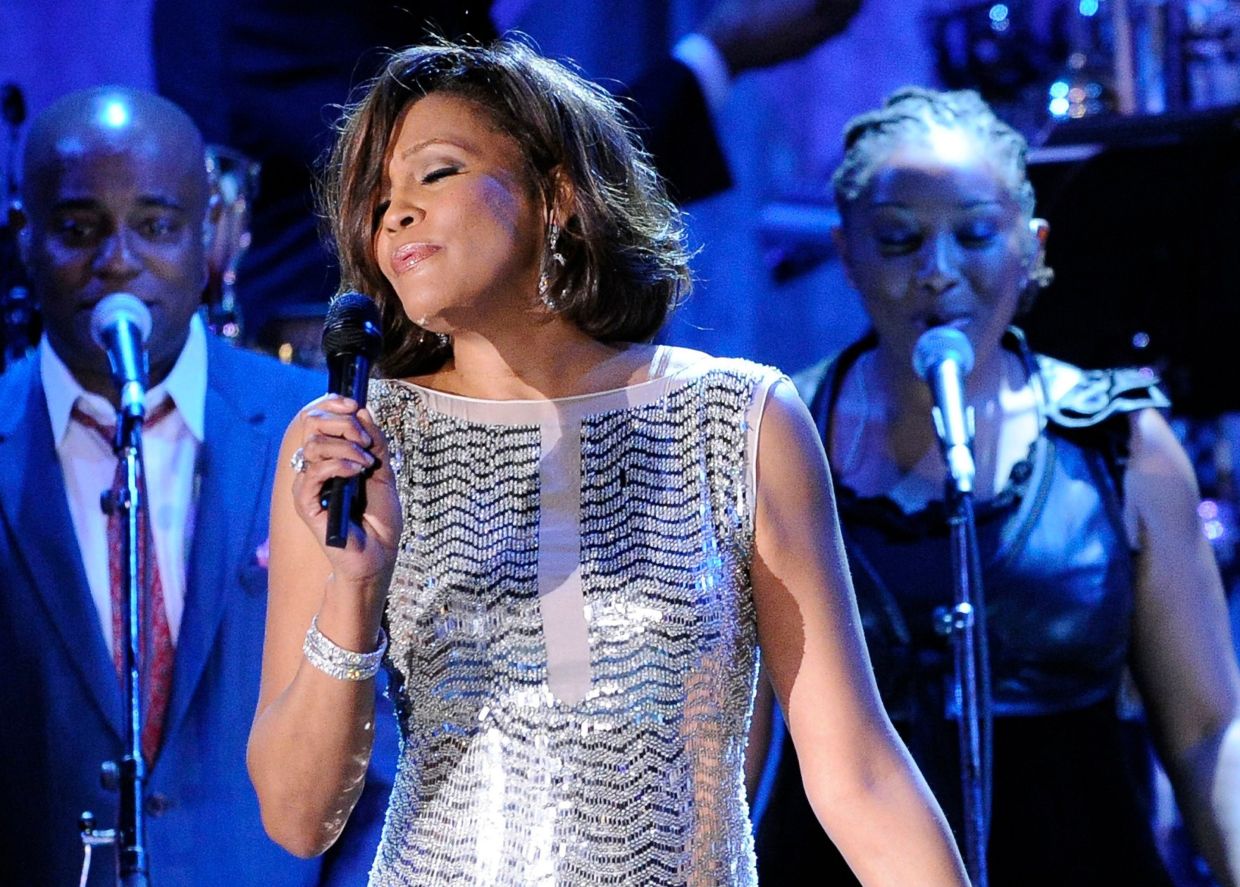
Four decades after Whitney Houston released her breakthrough work, the late singing legend's estate continues to carefully curate her towering artistic legacy. This year marks a significant moment in that ongoing effort, with August 9 bringing celebrations of what would have been Houston's 63rd birthday—a milestone being marked by the simultaneous release of both a compilation of her 11 Billboard Hot 100 number-one hits and a limited-edition Barbie doll bearing her likeness, the first of its kind produced by Mattel.
The number-one hits collection represents a deliberate curation of Houston's most commercially dominant work, each track standing as a testament to her unparalleled commercial appeal and cultural penetration. These were not merely chart-topping songs but, as Pat Houston, the executor of the singer's estate and her sister-in-law, emphasizes, records that formed the soundtrack to countless lives across generations. The compilation serves as a showcase of Houston's capacity to dominate the charts while simultaneously creating music of genuine artistic substance—a rare combination in pop history that speaks to both her technical mastery and her emotional authenticity as a performer.
The Barbie collaboration carries particular resonance given its unexpected journey to fruition. Pat Houston revealed that conversations between Whitney and herself about creating a Barbie doll dated back more than two decades, making this year's launch the culmination of a long-deferred dream. The partnership with Mattel was not approached casually; rather, it involved close collaboration with the company's creative team to ensure the doll authentically reflected Houston's cultural significance and personal style. This measured approach reveals how the estate manages the boundary between commercial opportunity and meaningful tribute.
Central to understanding Houston's legacy is the profound influence of Clive Davis, the legendary music executive who signed her to Arista Records and shaped her early career direction. Pat Houston's comments underscore a partnership that transcended typical artist-executive relationships, describing instead a bond rooted in mutual respect and genuine affection. Davis, who passed away in 2024, remained Houston's most vocal champion throughout his life, consistently highlighting her contributions whenever discussing modern music history. His role in elevating Houston from a talented newcomer to a global phenomenon cannot be overstated, and his passing represents the loss of one of her most steadfast advocates.
When asked directly about cinematic projects comparable to the recent Michael Jackson documentary treatments, Pat Houston adopted a cautiously optimistic stance. Rather than committing to specific film plans, she indicated that various proposals continuously arrive at the estate's offices, each requiring careful evaluation before advancement. This measured response reflects a growing awareness among entertainment estates that not every project serves the artist's memory equally well—some initiatives may dilute legacy through overexposure or misaligned creative vision, while others can genuinely expand understanding of the artist's contributions.
The vast Whitney Houston catalogue remains largely untapped in terms of theatrical or streaming releases, presenting both opportunity and risk. Pat Houston emphasized the importance of maintaining artistic integrity and avoiding oversaturation of the market with Houston content simply for commercial gain. This philosophy suggests the estate's executives understand that Houston's influence transcends any single medium; rather, her true power lies in the timeless quality of her vocal performances and the emotional authenticity she brought to every song she recorded.
Among the most intriguing possibilities Pat Houston mentioned are previously unreleased live performances that circulate within archival collections but have never reached mainstream audiences, particularly in North America. Houston's live performances were legendarily intense and technically accomplished—her ability to command a stage while executing complex vocal arrangements in real time distinguished her from many contemporaries. The prospect of professional releases showcasing these performances could offer fans and new listeners alike an intimate glimpse into Houston's artistry in its most unfiltered form, capturing moments when her technical skill and emotional expressiveness aligned in ways studio recordings, however excellent, cannot fully convey.
The approach being taken by Houston's estate reflects broader trends in how entertainment legacies are managed in the streaming and digital age. Unlike previous decades when an artist's catalogue might be exploited exhaustively through any available medium, contemporary estate management increasingly emphasizes selective, purposeful releases that maintain artistic dignity while generating sustained cultural relevance. This strategy requires balancing commercial interests with protective stewardship—a tension that becomes more acute the more iconic the artist becomes.
For Malaysian and Southeast Asian audiences, Whitney Houston's legacy represents more than historical American pop music. Her influence shaped not only Western music charts but also inspired generations of singers across Asia who admired her technical virtuosity and emotional directness. The possibility of major new releases or cinematic treatments speaks to Houston's enduring global relevance, suggesting that her artistic achievements continue to merit fresh exploration and presentation even decades after her death.
The estate's cautious approach to Houston's future projects may ultimately prove more respectful and commercially savvy than aggressive exploitation would be. By maintaining scarcity and ensuring each new initiative carries genuine artistic purpose, Pat Houston and her team position Whitney's legacy not as a commodity to be exhausted but as a living artistic achievement worthy of continued discovery by successive generations of listeners. The question of whether Houston receives the Jackson-style biopic treatment may ultimately depend less on market demand—which clearly exists—and more on whether a creative vision emerges that the estate believes will authentically honour the woman and artist Houston was.

