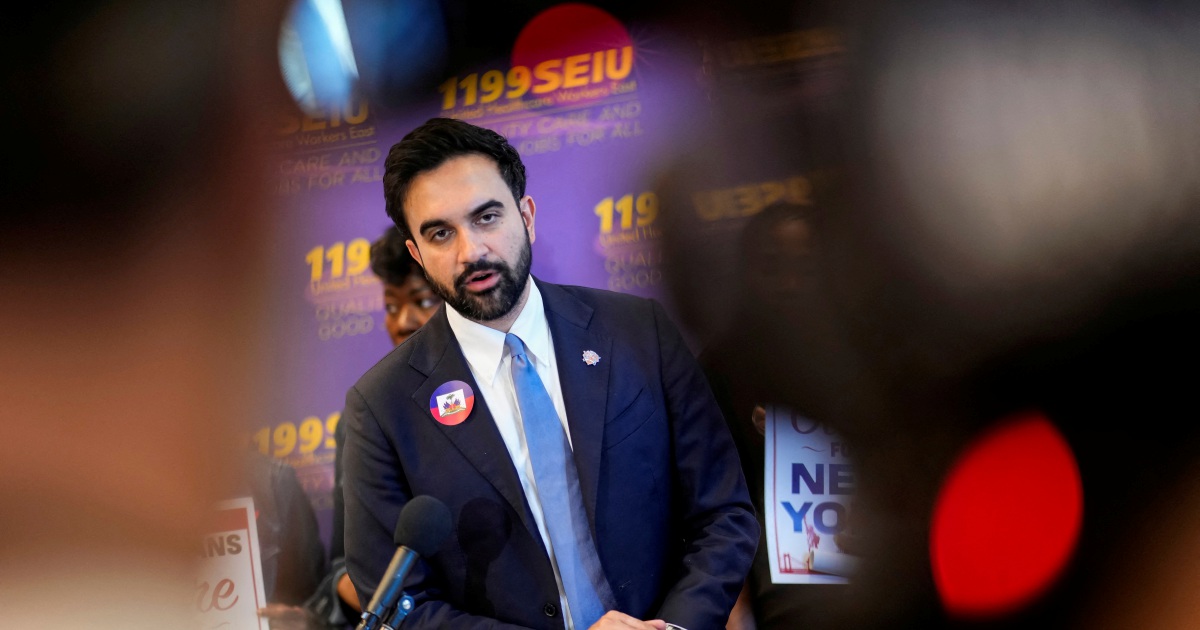
New York Mayor Zohran Mamdani has concluded that he does not possess the legal jurisdiction to arrest Israeli Prime Minister Benjamin Netanyahu should he enter the city, according to statements made this week. The reversal comes after the mayor previously indicated he was exploring whether such action was possible, a position that generated significant attention and controversy across both American domestic politics and international diplomatic circles.
Mamdani's initial suggestion that he might pursue an arrest warrant reflected growing pressure from pro-Palestinian advocacy groups and constituencies within his electorate who view Netanyahu's conduct of military operations in Gaza as constituting war crimes under international law. The willingness of a major American city's elected official to even contemplate such action represented a notable moment in mainstream Western politics, signaling the depth of public concern about civilian casualties and humanitarian conditions in the Palestinian territories.
The legal obstacles that prevent municipal authorities from undertaking such arrests are rooted in fundamental principles of American federalism and sovereignty doctrine. Local mayors operate within circumscribed jurisdictional boundaries that exclude foreign policy matters and decisions regarding foreign dignitaries. Federal law, particularly statutes governing diplomatic immunity and interstate commerce, supersedes municipal ordinances, leaving mayors without authority over international criminal matters or the detention of foreign government representatives.
Moreover, the International Criminal Court, which has jurisdiction over allegations of war crimes and crimes against humanity, lacks enforcement mechanisms to compel compliance from powerful nations not party to the Rome Statute. The United States, notably, has not ratified the treaty establishing the court, further complicating any potential legal pathway for accountability on American soil. This structural gap in international justice architecture means that even if municipal authorities wished to cooperate with ICC investigations, they possess no lawful mechanism to do so.
Mamdani's deliberation over this matter reflects the tension between municipal leadership responding to constituent demands and the constitutional limits of mayoral power. American mayors, despite wielding considerable influence over local governance, policing, and public resources, cannot unilaterally establish foreign policy or determine which international figures face criminal prosecution within their jurisdictions. Such authority remains exclusively with federal courts and executive branch officials.
The incident illuminates how grassroots activism around the Palestinian-Israeli conflict has permeated local American politics with unprecedented intensity. Constituents expect their elected officials to align with their moral convictions, yet the institutional architecture of American government often creates barriers between public sentiment and actionable policy. Mamdani's journey from considering action to acknowledging powerlessness demonstrates this disconnect.
For Malaysia and the Southeast Asian region, this episode carries broader implications regarding how democratic societies navigate questions of international accountability. Nations in this region have increasingly engaged with questions of international justice and humanitarian standards, particularly following events in Myanmar, Palestine, and other zones of conflict. The Mamdani case demonstrates how local democratic actors seek to address global injustices when international institutions prove inadequate, even while constrained by legal realities.
The episode also underscores the limitations that non-aligned and developing nations face when seeking to hold powerful countries accountable through international mechanisms. Malaysia has been vocal in condemning Israeli military operations and supporting Palestinian self-determination through multilateral forums. However, the structural weaknesses in international justice systems—particularly the reluctance of Western powers to subject their allies to accountability—remain persistent obstacles.
Mamdani's clarification that he lacks arrest authority preserves the diplomatic protocol that governs international relations and protects visiting foreign officials from municipal interference. While this maintains stability in interstate relations, it also perpetuates a system where powerful nations and their leaders face reduced accountability for actions that adversely affect civilian populations. The legal immunity granted to foreign dignitaries, while serving important diplomatic functions, can simultaneously shield individuals from consequences for alleged international crimes.
The reversal of Mamdani's position may also reflect consultations with federal authorities and legal advisors who warned of the consequences of municipal overreach in foreign affairs. Such warnings typically emphasize how unilateral action by city governments could create diplomatic incidents, expose the municipality to legal liability, and undermine the federal government's conduct of international relations. These practical considerations often override moral imperatives that motivate local leaders.
For observers in Southeast Asia contemplating similar questions about accountability for alleged international crimes, the Mamdani case provides instructive lessons. It demonstrates that within federal systems with separation of powers, local authorities operate under significant constraints that international treaty obligations and federal law cannot overcome. This structural reality shapes the available tools for advocating justice and accountability, requiring activists and concerned citizens to work through state-level and international mechanisms rather than relying on municipal executives.

