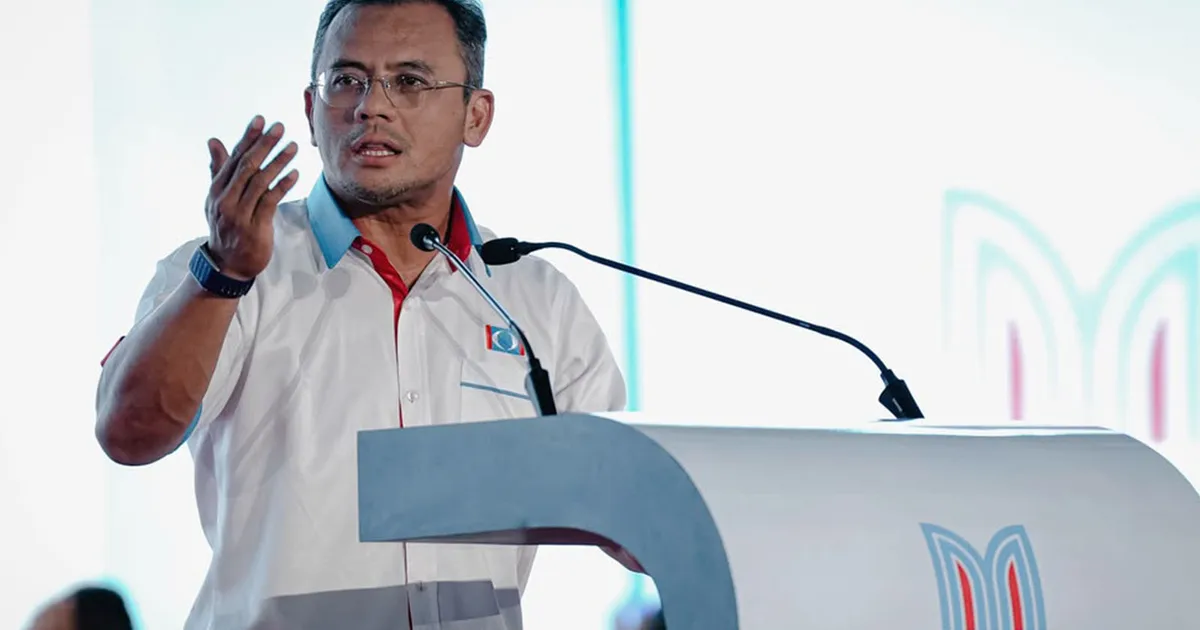
PKR vice-president Amirudin Anwar has weighed in on the latest reconciliation efforts between two of Malaysia's largest Malay-Muslim political organisations, suggesting that renewed attempts at cooperation between Umno and PAS might finally succeed where previous initiatives have faltered. While Amirudin deliberately avoided explicitly naming the parties in his public remarks, political observers widely interpret his comments as directed towards the long-fractious relationship between Umno and PAS, which have attempted unity arrangements before ultimately returning to competitive positioning.
The historical pattern of failed cooperation between these two political heavyweights underscores the complexity of Malaysian politics and the challenge of maintaining ideological cohesion within the Malay-Muslim electoral bloc. Umno, which dominated Malaysian politics for decades as the backbone of the Barisan Nasional coalition, and PAS, which has built strength as an Islamist alternative with particular influence in several northern states, have experienced cycles of alignment and estrangement. Each separation has left scars and created deep-seated distrust among senior party figures who witnessed previous breakdowns firsthand.
The significance of another attempted union reflects broader calculations about electoral mathematics heading into future national contests. Malaysian politics operates within a framework where support from Malay and Muslim voters remains crucial to any government's legitimacy and legislative majority. When the Malay-Muslim voting bloc fragments across competing organisations, it risks diminishing their collective bargaining power and influence over national policy direction. Conversely, successful cooperation could reshape the political landscape substantially, particularly given the combined vote-pulling capacity of both parties across different regions and demographic segments.
Amirudin's cautious optimism, expressed through his reference to a potential "third time lucky" scenario, acknowledges both the stakes involved and the historical baggage that weighs on negotiations. The PKR perspective holds particular relevance given that party's own positioning within Malaysia's fragmented political ecosystem. As a multi-ethnic, progressive force within the opposition coalition, PKR has attempted to build bridges across different voter communities. Amirudin's public commentary therefore carries implicit messaging about how broader opposition politics might be affected should Umno and PAS move towards closer alignment or formal partnership structures.
Previous cooperation attempts between Umno and PAS have encountered obstacles rooted in fundamental strategic divergences. Beyond surface-level policy disagreements, the parties compete directly for influence among the same voter bases, particularly in Peninsular Malaysia's heartland. State-level governance arrangements have proven contentious, as both organisations harbour ambitions to control and shape local administrations. Additionally, leadership dynamics and personality-driven rivalries have repeatedly complicated reconciliation efforts, with senior figures on both sides maintaining scepticism about the other's long-term intentions.
The timing of fresh alliance discussions merits examination within Malaysia's current political climate. The nation faces multiple governance challenges requiring sustained administrative competence and legislative stability. Parties contemplating cooperation must weigh whether partnership offers tangible benefits sufficient to overcome institutional inertia and internal party resistance. Members of both Umno and PAS who have benefited from competitive positioning may resist integration mechanisms that could diminish their individual influence or seat allocations during electoral contests.
For Malaysian voters and the broader regional audience, the practical implications of another Umno-PAS arrangement centre on policy direction and governance priorities. The two parties hold substantially different visions regarding religious affairs, education, economic management, and social policy. How those tensions would be negotiated within a formal alliance structure remains unclear. Previous arrangements sometimes created awkward compromises that satisfied neither voting bloc nor produced coherent administrative outcomes.
The reference to "third time lucky" simultaneously expresses hope and acknowledges past disappointments. It reflects a realistic assessment that previous attempts failed not through circumstantial misfortune but through genuine incompatibilities and strategic miscalculations. For a renewed union to succeed, both parties would need to demonstrate newfound commitment to resolving the fundamental differences that previously derailed cooperation. This requires not merely rhetorical gestures towards unity but concrete institutional mechanisms ensuring neither party feels subordinated or exploited.
Amirudin's intervention in this discussion, while non-committal, signals that opposition parties are monitoring developments within Umno-PAS discussions with considerable attention. Coalition dynamics could shift substantially depending on whether these negotiations yield binding agreements or dissolve like their predecessors. From PKR's perspective, a successful Umno-PAS merger might alter the broader opposition landscape and recalculate how competing political forces position themselves ahead of future electoral contests.
Observers across Southeast Asia watching Malaysian politics will note that this latest chapter in Umno-PAS relations represents both continuity and potential transformation. The parties' historical inability to maintain unity arrangements suggests structural obstacles that transcend individual leadership or momentary goodwill. Yet Malaysian politics regularly demonstrates capacity for surprise and unexpected realignments when parties perceive sufficient electoral or governance advantages. Whether the current moment represents genuine opportunity or merely another cycle within the familiar pattern of approach and retreat will likely become evident through the concrete steps both organisations take towards formalising any arrangement.
The question implicit in Amirudin's remarks—whether third-time cooperation will finally succeed—ultimately depends on whether Umno and PAS have genuinely resolved the substantive disagreements and strategic suspicions that have repeatedly undermined their relationship. Superficial declarations of unity, unsupported by institutional frameworks and binding commitments, will likely produce the same disappointing results as previous attempts.

