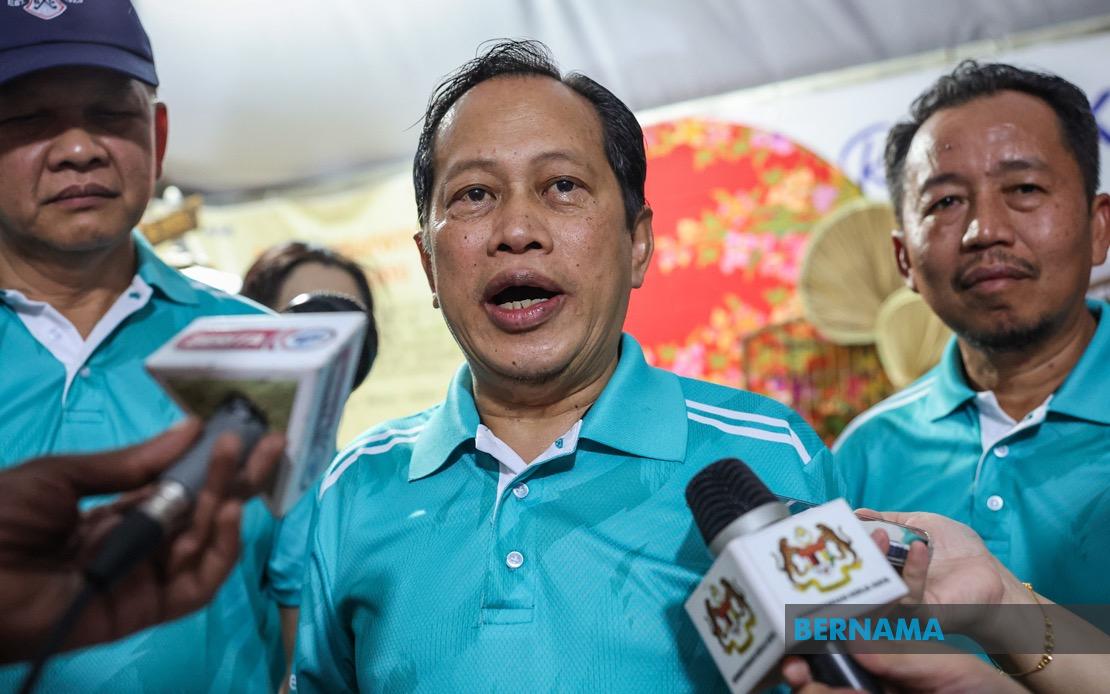
The Malaysian Works Ministry (KKR) is positioning itself for a significant budget boost in 2027, with Deputy Works Minister Datuk Seri Dr Ahmad Maslan expressing hope that the ministry will secure the highest development allocation among all government agencies. Speaking at the Cultural Night Run event at the Sultan Abdul Halim Mu'adzam Shah Bridge in Batu Kawan, Ahmad outlined plans to use enhanced funding for expanded development and infrastructure maintenance initiatives throughout the country.
The ministry's budget aspirations reflect growing recognition of infrastructure's critical role in Malaysia's economic competitiveness. Ahmad revealed that KKR received approximately RM10 billion in the previous budget cycle, with RM9 billion allocated specifically toward development projects. The ministry's push for increased allocation underscores the backlog of maintenance and new construction work awaiting funding across the nation's ageing highway networks and public infrastructure systems.
Preparation for the Budget 2027 submission is already underway, with KKR instructing all divisions and agencies—including the Malaysian Highway Authority (LLM), Construction Industry Development Board Malaysia (CIDB), and Public Works Department (JKR)—to compile their detailed funding requirements. These agencies submitted their inputs last week, with a critical meeting scheduled between ministry officials and Finance Minister II on August 28 to present consolidated proposals and justify the funding requests.
Beyond budget mechanics, Ahmad highlighted the ministry's strategic pivot toward digitalization and smart infrastructure as justification for increased investment. The Works Ministry is advancing smart highway initiatives powered by artificial intelligence, CCTV monitoring systems, intelligent lane management, and integrated navigation technology. This technological modernization requires substantial capital outlays but promises efficiency gains and improved road safety across Malaysia's extensive highway network.
A cornerstone of these efforts is TuJu, a locally developed navigation application created by LLM that fills a strategic gap in Malaysia's transport technology ecosystem. Following established platforms like Waze and Google Maps, TuJu differentiates itself by providing highway-specific intelligence including real-time CCTV feeds, toll rate information, locations of rest and recreation facilities, emergency response details, and live traffic updates synchronized with LLM's Traffic Control Centre. The application represents Malaysia's growing capability in homegrown technology solutions tailored to local infrastructure needs.
The LLM Traffic Control Centre itself represents substantial infrastructure investment, monitoring hundreds of CCTV cameras distributed across all 34 Malaysian highways. Notably, this monitoring extends to both Penang bridges, reflecting the critical importance of major cross-state linkages to national economic flows. Ahmad emphasized integration between TuJu and other government road management applications like KYJalan and the KKR app, creating a comprehensive reporting ecosystem where users submit conditions data that feeds directly into maintenance planning and emergency response protocols.
Malaysia's highway network presents unique management challenges that justify the ministry's technology investments. The nation operates 34 highways stretching over 2,000 kilometres collectively, administered by 28 different concessionaires with varying operational standards and technologies. PLUS Malaysia Berhad alone controls more than 1,000 kilometres of this infrastructure, making coordination and standardization particularly complex. Digital solutions promise to create operational transparency and consistency across these fragmented management structures.
The ministry is also advancing Multi Lane Free Flow (MLFF) technology, which eliminates the need for vehicles to stop at physical toll plazas. However, Ahmad clarified that this implementation model relies primarily on business-to-business arrangements between concessionaires rather than direct government funding. Each of the 28 concessionaires can choose whether to develop MLFF capacity through subsidiary companies or external service providers. JustGo, operated by PLUS Malaysia, exemplifies this approach, demonstrating that private-sector leadership can drive modernization when government creates enabling frameworks rather than directly funding every initiative.
The budget context matters significantly for Southeast Asian infrastructure development more broadly. Malaysia's push for enhanced development allocation reflects regional trends where countries compete for transport efficiency and digital integration to attract investment and facilitate trade. Increased highway maintenance budgets directly affect commercial logistics costs throughout Southeast Asia, as Malaysian routes form critical corridors for regional commerce. Better maintained and digitally optimized highways reduce transit times and operating expenses for trucks moving goods between Thailand and Singapore, benefiting the entire regional supply chain.
The Works Ministry's strategic focus on smart infrastructure also positions Malaysia competitively within ASEAN's digital transformation agenda. As neighbouring countries invest heavily in intelligent transport systems, Malaysia risks falling behind if funding constraints prevent comparable technological deployment. The ministry's budget proposal implicitly argues that infrastructure modernization is not discretionary enhancement but essential competitive positioning in a region rapidly advancing its logistics capabilities.
Ahmad's emphasis on involving multiple government agencies and private sector partners in the budget preparation process signals recognition that modern infrastructure challenges require coordinated solutions. CIDB's involvement ensures construction industry capacity is factored into planning, while JKR's participation guarantees that asset maintenance—often neglected in favour of new projects—receives appropriate consideration. This comprehensive approach contrasts with siloed budgeting that treats infrastructure components as independent rather than integrated systems.
The Cultural Night Run event itself, attracting 5,000 participants including 114 international visitors from 18 countries, serves as both community engagement and soft infrastructure promotion. By hosting major public events at infrastructure sites like the Sultan Abdul Halim Mu'adzam Shah Bridge, the ministry demonstrates that highways function as civic spaces and economic arteries worthy of public investment and pride. This messaging may help secure political support for the substantial budget requests being prepared for the Finance Ministry meeting.
As Malaysia navigates complex budgetary constraints and competing spending priorities, the Works Ministry's case for increased allocation rests on demonstrating infrastructure's foundational importance to national economic growth. The detailed digital initiatives and nationwide maintenance ambitions outlined by Ahmad suggest that the ministry intends to present a sophisticated, evidence-based budget proposal rather than simply requesting higher allocations. Success in securing RM10 billion or more will significantly shape Malaysia's infrastructure trajectory for the remainder of the decade.

