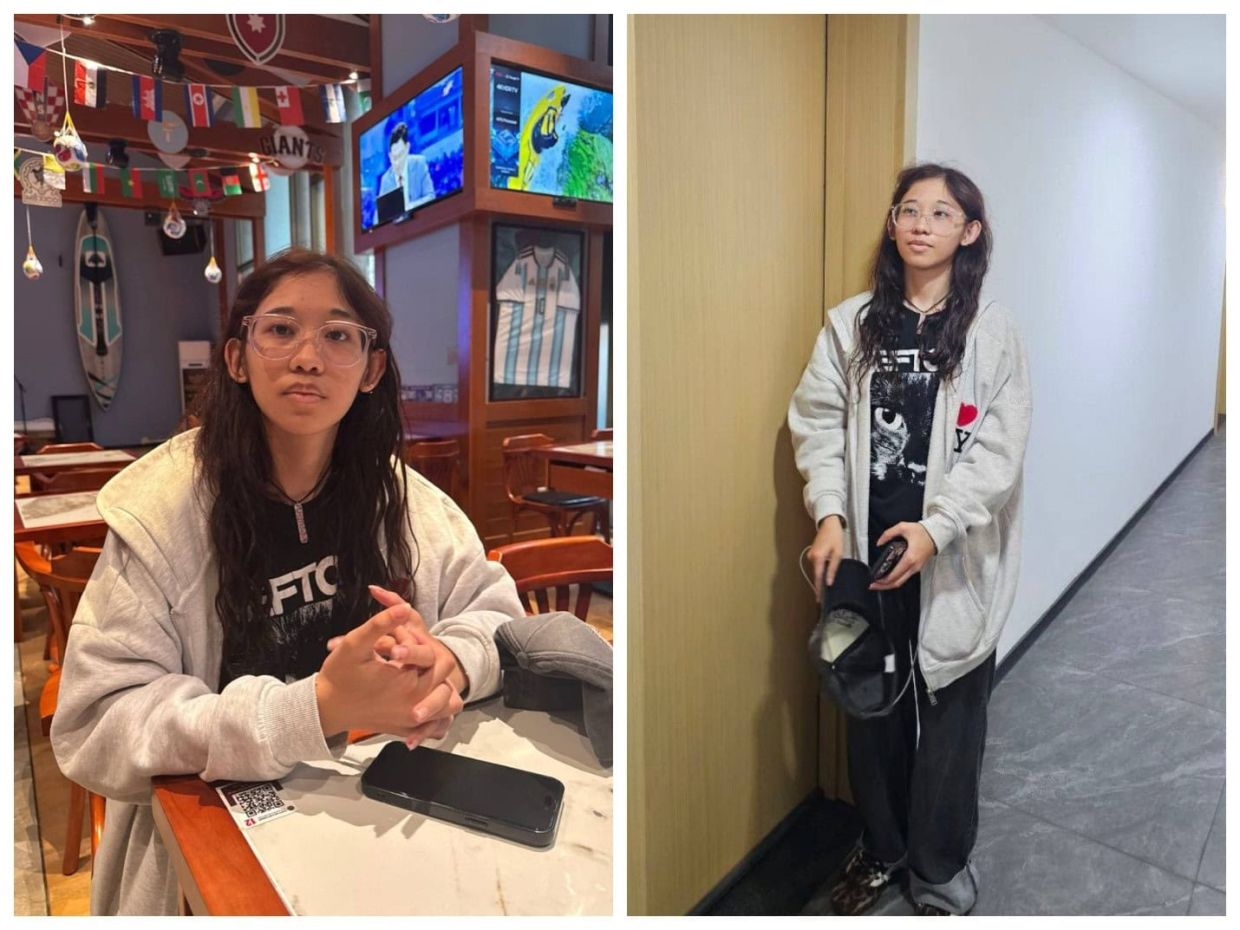
A missing Singaporean woman who sparked fears of trafficking and potential luring to an online scam operation has been safely located in Cambodia, bringing relief to her family and reassuring authorities that no criminal abduction had taken place. The discovery of Aishah Siregar, 20, in a private condominium in Phnom Penh's Tuol Kork district on July 30 concluded a frantic three-day search that highlighted the vulnerability of young people to deceptive online recruitment schemes prevalent across Southeast Asia.
The case unfolded when Siregar departed Singapore on July 28 without her family's knowledge or consent, leaving behind a text message to her mother claiming she was heading to school. When relatives attempted to collect her from her educational institution, they discovered that her digital footprint had been systematically erased—her WhatsApp and Telegram accounts had been deleted and her mobile phone was unreachable. The discovery of her missing passport and subsequent airline booking information pointing to Cambodia intensified fears that she had fallen victim to the sophisticated trafficking networks that have plagued the region in recent years.
The circumstances appeared to follow a troubling pattern familiar to Southeast Asian law enforcement agencies. Her brother Syafiq Siregar revealed to Channel NewsAsia that Aishah had transferred several hundred dollars to an unidentified recipient in the days preceding her departure and had been maintaining contact with someone she knew exclusively through online gaming platforms. These details painted a concerning picture of potential grooming and financial manipulation, prompting family members to suspect coordinated human trafficking activity rather than voluntary flight.
Cambodia's Ministry of Interior spokesperson Touch Sokkhak clarified that upon locating the young woman, she provided a straightforward explanation for her actions that contradicted the trafficking hypothesis. Siregar disclosed that she had been experiencing considerable emotional strain within her household and had made the independent decision to leave Singapore and reconnect with an online acquaintance she had met through gaming communities. The deliberate disconnection from all communication channels—switching off her mobile phone after arriving in Cambodia—had inadvertently compounded her family's distress by preventing any contact and triggering their decision to seek assistance from Cambodian authorities.
Singapore's law enforcement agencies had already mobilised their international resources when Cambodian authorities announced the discovery, with Singapore Police confirming they were investigating the circumstances and had engaged Interpol in coordinating the response. This transnational coordination underscores the seriousness with which regional authorities treat cases involving citizens crossing borders under unclear circumstances, particularly when trafficking networks are suspected. The rapid collaboration between Singapore and Cambodia's law enforcement structures demonstrated the commitment to protecting citizens while respecting national sovereignty.
Cambodian authorities responded with impressive efficiency once the Ministry of Interior became aware of the situation on the evening of July 30, following contact from journalists who had been approached by Siregar's family. The Phnom Penh Municipal Police, the General Department of Immigration, and the National Police coordinated their efforts to conduct the search and successfully located her within hours. This coordinated response indicates Cambodia's strengthened capacity to address cases involving foreign nationals, particularly those initially suspected of human trafficking involvement.
The resolution of this case carries important implications for understanding the broader context of trafficking and exploitation in Cambodia and throughout the region. Online gaming platforms have emerged as increasingly sophisticated recruitment channels for criminal networks, with predatory individuals posing as fellow gamers to establish trust with vulnerable targets, particularly young people experiencing family conflict or emotional distress. The financial transfers Siregar made before departure suggest that manipulation tactics extended beyond romantic or friendship-based deception into direct monetary extraction, a technique that normalises financial involvement and reinforces psychological control.
Touching Sokkhak acknowledged that investigative and administrative procedures relating to Siregar's case remained ongoing, though Cambodian authorities have declined to release substantial additional information about her activities or associations during her time in the country. This measured approach allows space for proper investigation while protecting the privacy of the involved parties and avoiding premature conclusions about the nature of her contact with the individual she came to meet. The ongoing nature of these procedures suggests that authorities are treating the case seriously and conducting thorough background checks on her online acquaintance.
The incident reflects a broader vulnerability that exists across Southeast Asia, where young people increasingly interact with individuals known only through digital platforms and where family circumstances may push vulnerable individuals toward seeking connections outside their immediate environment. Cambodia's position as a destination for various forms of illicit activity has made it a focal point for trafficking concerns, though cases like Siregar's demonstrate that not every unusual border crossing involves criminal trafficking networks. Nevertheless, the case underscores the critical importance of digital literacy and family communication strategies as protective factors against exploitation.
The safe discovery of Siregar provides temporary reassurance to families and authorities grappling with the genuine threat of online-facilitated trafficking, yet it also illustrates how difficult it remains to distinguish between voluntary departure driven by personal crisis and coordinated exploitation in real time. Her decision to travel to Cambodia to meet an online contact, while ultimately not involving criminal trafficking, demonstrates the kinds of poor decisions that vulnerable young people can make when experiencing emotional distress. The case serves as a reminder to regional governments and non-governmental organisations that prevention strategies must address both the criminal networks exploiting vulnerable populations and the underlying family and social conditions that make young people susceptible to seeking alternatives outside their home environments.

