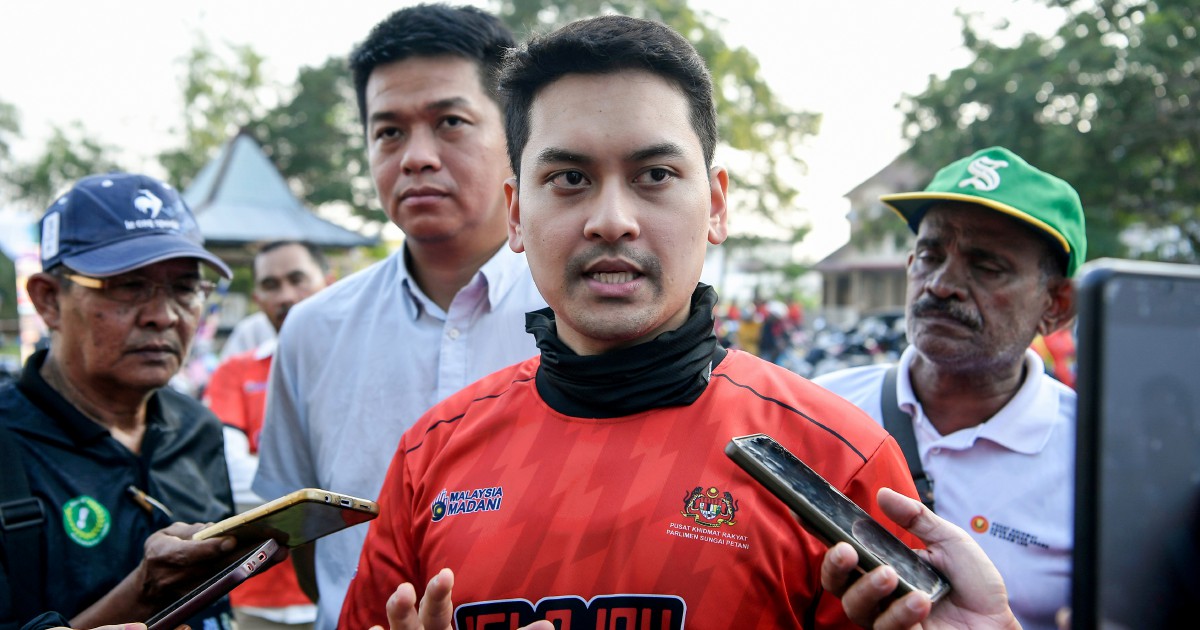
Youth and Sports Minister Dr Mohammed Taufiq Johari has called for a thorough and comprehensive investigation into the circumstances surrounding the death of an 11-year-old girl who collapsed after participating in a sporting activity at school. The incident has raised fresh concerns about child safety protocols in educational institutions and the oversight mechanisms governing physical education programmes across Malaysian schools.
According to available reports, the girl was instructed by a teacher to take part in the sporting activity when her condition deteriorated. Initial indications suggest that an underlying heart condition may have contributed to the fatal outcome, though the exact sequence of events and any potential connection between the physical exertion and her death remain under scrutiny. The minister's intervention signals the gravity with which authorities are treating the case and the need for a systematic examination of the circumstances.
This incident underscores broader questions about medical screening protocols in schools and the training educators receive in recognising signs of distress in young athletes. Malaysian schools typically conduct basic health checks, yet many lack comprehensive cardiac screening programmes for students before participation in strenuous physical activities. The case highlights a potential gap between policy frameworks and their implementation at the ground level, where teachers and school administrators must make real-time decisions about student participation and safety.
Dr Mohammed Taufiq Johari's demand for a full probe indicates government recognition that procedural safeguards may require strengthening. Questions inevitably arise about whether the teacher was aware of any pre-existing medical conditions, whether appropriate consent and medical clearance protocols were followed, and whether first aid response was prompt and effective. These operational details will be crucial in determining whether systemic failures occurred or whether the tragedy represents an unforeseen medical event.
The incident resonates particularly with Malaysian parents and educators who have grown increasingly conscious of child welfare issues in institutional settings. Schools serve as custodians of student safety during school hours, and parents entrust institutions with their children's wellbeing. When a child dies following a school activity, public confidence in safety systems inevitably comes under strain, making transparent investigation and clear communication from authorities essential.
From a broader public health perspective, the case illustrates the importance of identifying children with undiagnosed or unknown cardiac conditions before they participate in competitive or strenuous activities. Many heart conditions in children remain asymptomatic until triggered by physical exertion, making medical assessment before sports participation a critical preventive measure. Malaysia's school sports programmes, while valuable for promoting physical fitness and healthy lifestyles, must be balanced against the imperative to protect vulnerable students.
The investigation will likely examine multiple dimensions including medical records, school protocols, teacher training qualifications, and the specific nature of the sporting activity involved. Authorities will need to determine whether consent procedures were properly executed with parents or guardians, whether medical history forms were completed and reviewed, and whether the school had established clear guidelines for when students should be excused from physical activities.
Beyond the immediate investigation, this tragedy presents an opportunity for Malaysia's education system to conduct a sector-wide review of sports safety protocols. Other jurisdictions have implemented pre-participation screening questionnaires and, in some cases, electrocardiogram testing for student athletes. While implementing comprehensive cardiac screening across all Malaysian schools may present resource challenges, even modest improvements in screening protocols and teacher training could prevent similar incidents.
The minister's call for thorough investigation also reflects acknowledgment that parents and the public deserve clear answers and accountability. Whether findings indicate individual negligence, systemic gaps, or simply an unavoidable medical tragedy, transparency in the investigative process will be important for rebuilding public confidence and informing future policy decisions.
As the investigation proceeds, schools nationwide may face renewed scrutiny of their own safety procedures. This could ultimately serve a constructive purpose by prompting administrators to audit existing protocols, ensure adequate first aid training among staff, and clarify procedures for handling students with known or suspected medical vulnerabilities. The tragedy, while devastating for the family involved, may catalyse improvements that protect other children participating in school sports programmes across the country.

