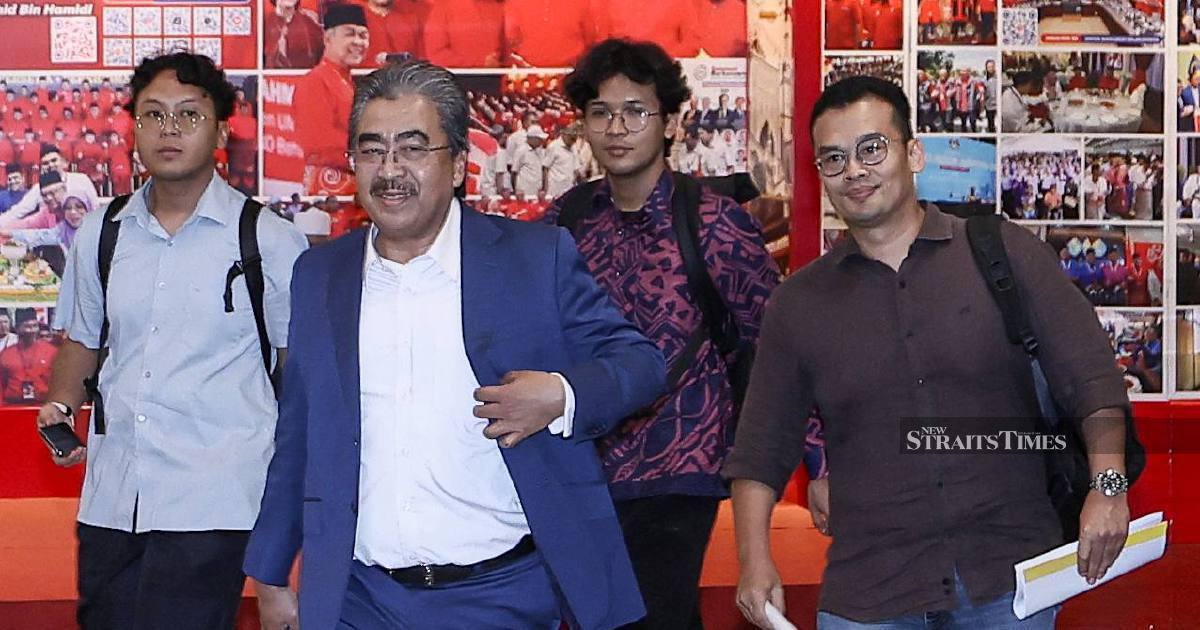
Deputy Prime Minister Ahmad Zahid Hamidi convened a high-level briefing session at Umno headquarters in Kuala Lumpur involving senior Barisan Nasional officials and opposition Perikatan Nasional leaders to discuss the recently declassified Royal Commission of Inquiry report on Lembaga Tabung Haji, the pilgrim savings institution. The closed-door gathering underscores the significant political implications surrounding the findings, which have drawn attention across Malaysia's parliamentary spectrum at a time when the coalition government seeks to demonstrate transparency and accountability in addressing institutional lapses.
The decision to hold an exclusive briefing rather than a public disclosure reflects the sensitive nature of the RCI's conclusions regarding Tabung Haji's operational and financial management. Lembaga Tabung Haji, which administers savings accounts for Malaysian pilgrims undertaking the Hajj to Mecca, represents a crucial institution serving Muslim citizens from all walks of life. Any findings suggesting institutional failings carry both political and religious dimensions that necessitate careful handling across Malaysia's diverse political leadership. The inclusion of Perikatan Nasional representatives alongside Barisan Nasional members indicates an attempt to build broader consensus on whatever remedial measures may be required.
Tabung Haji has faced considerable scrutiny in recent years, with concerns raised about investment strategies, fund management practices, and the institution's ability to adequately protect pilgrims' accumulated savings. The RCI was established to conduct a comprehensive inquiry into allegations of mismanagement and to recommend corrective actions. The declassification of the report signals that authorities deemed it appropriate to move beyond the investigation phase toward addressing findings through policy and institutional reform.
Zahid's role in chairing the briefing positions him as a central figure in managing the political fallout and coordinating the government's response to RCI recommendations. As Deputy Prime Minister and a senior Umno figure, his involvement reflects the gravity with which the administration views the matter. The presence of multiple political parties at a single briefing suggests coordination mechanisms are being established to ensure that responses to the RCI findings command cross-party support, reducing opportunities for opposition exploitation of any institutional weaknesses.
The timing of this briefing within Malaysia's current political context merits examination. The coalition government has emphasized good governance and institutional reform as central to its legitimacy and policy agenda. A comprehensive response to the Tabung Haji RCI findings provides an opportunity to demonstrate commitment to these principles while addressing concerns among the Muslim community regarding the security of their pilgrimage savings. Conversely, any perception of inadequate action or continued mismanagement could undermine public confidence in both the government and the institution itself.
For Malaysian pilgrims and their families, the implications are substantial. Tens of thousands of Malaysians depend on Tabung Haji accounts to accumulate savings for one of Islam's five pillars. The integrity of this institution directly affects their financial security and spiritual aspirations. The RCI's findings and subsequent government action will determine whether structural reforms enhance protection of these funds or whether systemic problems persist despite investigative scrutiny.
Regionally, Malaysia's handling of this matter carries significance for how Southeast Asian nations approach institutional accountability within faith-based financial systems. Other countries in the region with similar pilgrim savings mechanisms will be observing how Malaysian authorities implement RCI recommendations. The credibility of Malaysia's institutional oversight apparatus may influence regional confidence in domestic governance frameworks.
The participation of Perikatan Nasional leaders in the briefing raises questions about their role in scrutinizing the government's response and potentially supporting or challenging proposed remedial measures. Opposition participation in high-level briefings on sensitive institutional matters can enhance legitimacy of subsequent actions through bipartisan acknowledgment, though it also creates shared responsibility for whatever outcomes emerge from the government's handling of recommendations.
Key aspects of the RCI findings likely encompass governance structures, financial controls, investment decision-making processes, and internal oversight mechanisms within Tabung Haji. Addressing these areas will require coordinated efforts across multiple government agencies and potentially legislative amendments to strengthen the institution's regulatory framework. The briefing format suggests that political leaders were being informed in detail rather than merely receiving summary conclusions, indicating extensive discussions about implementation pathways for RCI recommendations.
The declassification decision itself warrants note, as it reflects a judgment that public interest in transparency outweighs concerns about keeping findings confidential. This approach aligns with contemporary expectations regarding institutional accountability, though it also exposes the government to public scrutiny of how thoroughly and promptly recommendations are implemented. Civil society organizations and media outlets will likely track subsequent government action against RCI findings, creating political incentive for demonstrable follow-through.
Looking forward, the government faces pressure to translate briefing sessions into concrete reform measures that restore public confidence in Tabung Haji. This may involve appointing new leadership, implementing stricter investment guidelines, enhancing disclosure requirements, or restructuring governance committees. The effectiveness of these steps will determine whether the RCI process generates meaningful institutional improvement or represents another round of investigative activity yielding limited practical change.
The broader context involves persistent concerns about institutional governance across multiple Malaysian agencies. The Tabung Haji RCI conclusions will contribute to ongoing public debate about accountability mechanisms, management competence, and oversight effectiveness. How decisively and comprehensively the government responds to these findings will signal its genuine commitment to institutional reform or reveal limitations in its capacity to implement meaningful change despite investigative findings and political consensus.

