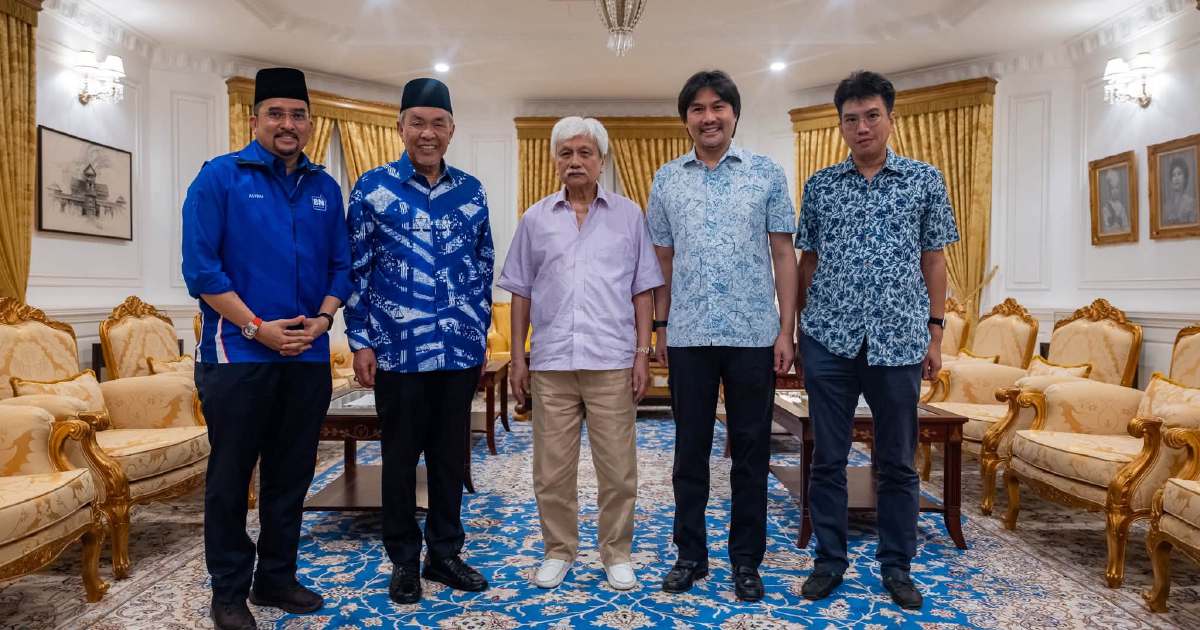
Barisan Nasional chairman Datuk Seri Dr Ahmad Zahid Hamidi has formally submitted three names to the Negri Sembilan palace for consideration for the post of Menteri Besar, signalling the coalition's readiness to fill the position following developments in the state's political landscape.
The submission represents a crucial step in the state's political succession process, with the palace now tasked with reviewing the candidates put forward by the ruling coalition. This move underscores the formal procedures that govern leadership transitions in Malaysia's constitutional monarchy system, where state rulers maintain an advisory role in the selection of chief executives.
The presentation of multiple candidates rather than a single name reflects the coalition's approach to giving the palace a range of options to consider. This practice, while common in Malaysian politics, also suggests that consensus within Barisan Nasional over a single preferred candidate may not yet be fully settled, or that the coalition is demonstrating respect for the palace's prerogative to make the final determination.
Negri Sembilan's political fortunes have undergone significant shifts in recent years, with the state serving as a barometer of broader trends affecting Barisan Nasional's hold on power across Malaysia. The coalition's position in the state remains important to its overall parliamentary standing, making the selection of a capable chief minister essential to maintaining electoral competitiveness and administrative stability.
The identity of the three candidates and their respective backgrounds could offer insights into Barisan Nasional's strategic priorities for the state. Whether the nominees represent different factions within the coalition or embody particular policy directions will likely become clearer once the palace formally announces its decision. The candidates' experience in state administration, party loyalty, and ability to bridge potential internal divisions will all factor into the palace's assessment.
For Malaysian readers monitoring state-level politics, this development carries implications for resource allocation, development priorities, and the balance of power between federal and state governments. Negri Sembilan, as a strategically located state bordering the federal territories and Selangor, plays an important role in the broader political economy of the Klang Valley region and beyond.
The palace's role in this process reflects Malaysia's constitutional framework, wherein rulers exercise discretionary powers in appointing chief ministers. While normally done on the advice of the ruling coalition, this formal submission allows the palace to fulfil its constitutional obligations and maintain institutional dignity. The timing of the announcement and any subsequent palace decision will be watched closely by political observers as an indicator of regional stability.
Barisan Nasional's management of this transition also matters for its internal cohesion. The coalition comprises multiple parties with varying interests across Malaysian states, and how the party leadership navigates succession issues influences member confidence and unity. A smooth transition in Negri Sembilan could reinforce party discipline, while any perception of improper process might invite criticism from rival coalitions.
The broader context of Malaysian politics in recent years has seen increased scrutiny of state governments' performance and accountability. Any incoming Menteri Besar will inherit expectations to deliver on development promises, manage state finances transparently, and address constituent concerns. The palace's selection process, therefore, carries weight not merely as a procedural formality but as a decision that will shape governance outcomes for Negri Sembilan's residents over the coming years.
Observers of Malaysian politics will note that transitions of this type occur within a highly regulated constitutional environment, yet remain subject to political dynamics and informal considerations that shape outcomes. The submission of three names allows the palace a meaningful choice while maintaining the coalition's ultimate influence over the final outcome. How quickly the palace moves to make its decision and on what basis it evaluates the candidates will signal important messages about the state of federal-state relations and the monarchy's engagement with political processes.
The coming weeks will be instructive as to whether the palace announces its decision promptly or takes time for deliberation. Either approach carries symbolic weight in Malaysia's political culture. Stakeholders in Negri Sembilan, ranging from business communities to civil society groups, have vested interests in the capabilities and vision of whoever assumes the top state position. The Menteri Besar will lead efforts to position the state competitively within Malaysia's economic landscape and address pressing issues from infrastructure development to social services.

