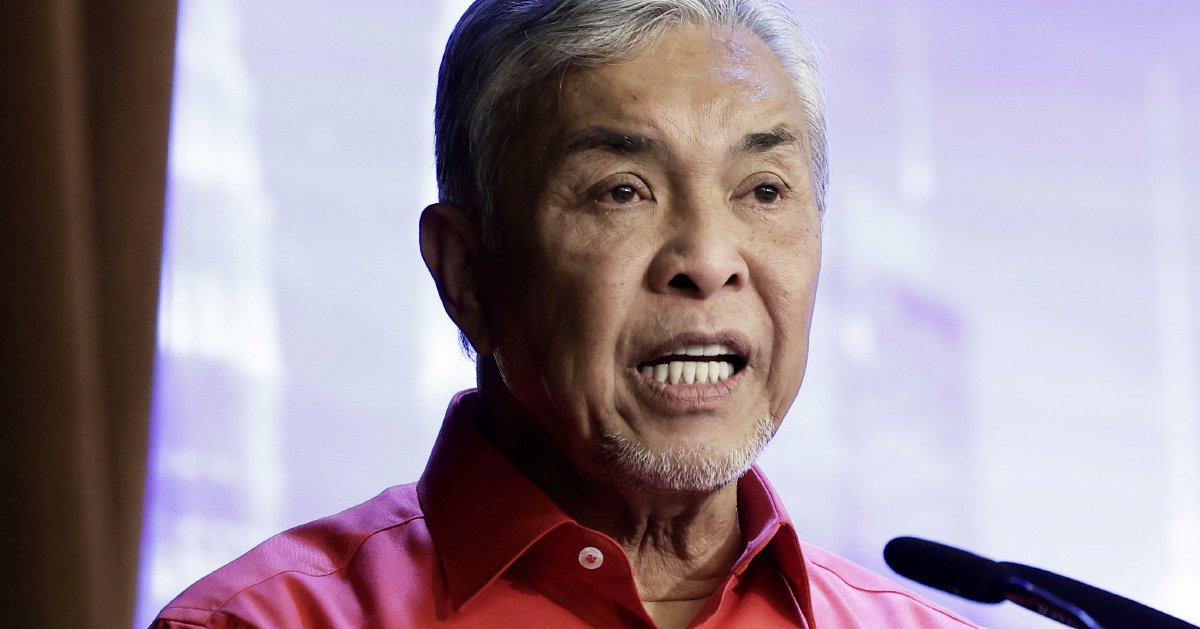
Deputy Prime Minister Datuk Seri Dr Ahmad Zahid Hamidi has publicly appealed for an end to what he characterizes as unfounded allegations and widespread perceptions regarding Lembaga Tabung Haji, the government-backed pilgrimage savings institution that manages the financial affairs of millions of Malaysian Muslims preparing for the hajj.
Zahid's remarks underscore growing frustration within government circles over the circulation of claims about the institution's operations that lack substantiation. The statement comes at a sensitive time for Tabung Haji, which has faced considerable scrutiny in recent years concerning its financial management and the protection of depositors' funds. For Malaysian Muslims who contribute to the organization as part of their religious obligation to save for the hajj pilgrimage, confidence in the institution remains paramount.
The Tabung Haji scheme represents one of Malaysia's most significant financial instruments for its Muslim majority population. With millions of contributors ranging from civil servants to private-sector workers and retirees, the institution holds substantial accumulated savings that are intended exclusively for pilgrimage purposes. The organization's credibility directly affects the financial security of families across the country who view their contributions as sacred investments toward fulfilling one of Islam's Five Pillars.
Tabung Haji has encountered considerable challenges over the past decade, including investment portfolio difficulties that required government intervention and restructuring efforts. Previous reports of financial irregularities and suboptimal governance practices led to multiple investigations and management overhauls. These historical issues have left a residual skepticism among the public, making it difficult to distinguish between legitimate concerns and speculation when discussions about the institution surface on social media and in public discourse.
Zahid's intervention suggests the government believes the current phase of unfounded allegations is undermining public confidence unnecessarily and potentially causing unwarranted anxiety among contributors. The Deputy Prime Minister appears to be advocating for a return to evidence-based criticism rather than rumor-based commentary. This distinction matters considerably in the Malaysian context, where institutional trust remains fragile and misinformation can spread rapidly through digital channels.
However, the call for accountability must be balanced against the legitimate right of Malaysian citizens to scrutinize public institutions, particularly those handling substantial funds belonging to ordinary people. The challenge for any organization recovering from past governance problems is rebuilding trust while remaining open to reasonable questioning. Dismissing all concerns as baseless risks reinforcing the perception that authorities are unwilling to address genuine issues.
The timing of Zahid's statement may also reflect broader government priorities around institutional stability and public confidence as Malaysia navigates post-pandemic economic recovery. Tabung Haji's operational continuity and reputation directly impact household savings behavior among Muslim Malaysians and their willingness to participate in national financial programs. Any erosion of confidence could have ripple effects on financial inclusion and savings patterns across the community.
For regional observers, Malaysia's experience with Tabung Haji offers instructive lessons about public institutions managing religious contributions. Several Southeast Asian nations with significant Muslim populations maintain similar schemes, and the management of such entities involves complex questions about governance standards, transparency, and public accountability. How Malaysia addresses these tensions influences regional approaches to Islamic finance and faith-based savings programs.
Moving forward, the government faces a communications challenge requiring more than appeals for restraint. Demonstrating concrete improvements in governance, maintaining robust internal controls, publishing transparent financial reports, and ensuring swift resolution of any detected irregularities would provide firmer grounds for rebuilding public confidence than simply asking people to cease their concerns. The Deputy Prime Minister's call for fact-based discourse is reasonable, but must be accompanied by the institution's own commitment to providing the factual clarity that can either validate or address public concerns.
The broader implication of Zahid's statement extends beyond Tabung Haji itself, reflecting a wider tension in contemporary Malaysia between institutional authorities seeking to manage narratives and citizens empowered by digital tools to question and debate those narratives. How this balance is negotiated will shape public trust in various Malaysian institutions for years to come. The expectation that citizens simply cease raising questions represents only one approach; the more effective path likely requires institutions themselves to address root causes of skepticism through demonstrated transparency and improved performance.

