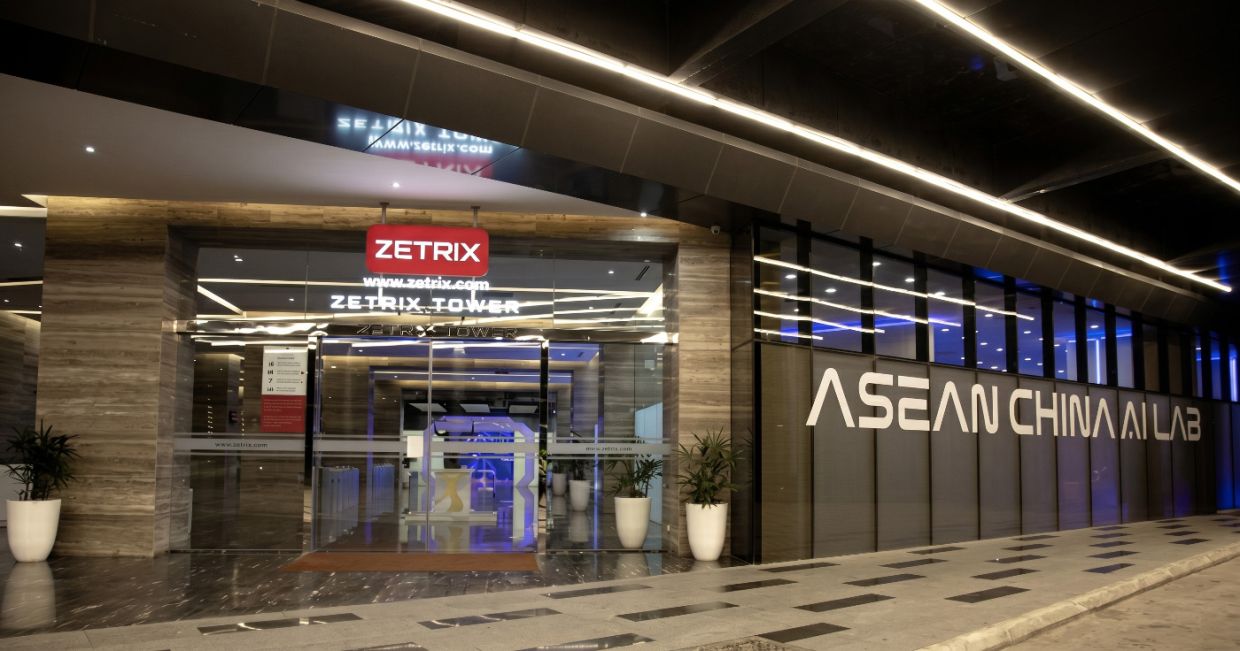
Zetrix AI Bhd moved swiftly to distance itself from a brewing corruption scandal on Friday, denying involvement in charges filed against former human resources minister Datuk Seri M. Saravanan. The technology company's rapid statement came in response to unprecedented trading volatility that devastated shareholder value in what appears to be a case of mistaken association compounding a market panic.
The denials were submitted through a mandatory filing to Bursa Malaysia Securities Bhd following an unusual market activity query, the exchange's formal mechanism for investigating suspicious price movements. Zetrix AI categorically stated it bore no connection whatsoever to the three corruption charges brought against Saravanan at the Sessions Court on August 28. Those charges centre on alleged impropriety in approving foreign worker quotas, a matter entirely separate from the company's technology operations.
The firm's statement acknowledged what appears to have triggered the selling frenzy: unfounded rumours linking the company to Saravanan's legal troubles. Market participants, it seems, conflated the former minister's name with Zetrix AI through speculation unmoored from reality. Such misinformation can spread rapidly in Malaysia's equity market, particularly among retail investors who may not have immediate access to verified information or who interpret ambiguous headlines as confirmation of hidden corporate connections.
To reinforce its position, Zetrix AI conducted internal investigations with its board of directors, principal shareholders, and other stakeholders. The company found no undisclosed corporate developments at any stage—whether negotiations, discussions, or concluded arrangements—that could justify the extraordinary trading activity. This comprehensive vetting was designed to demonstrate management's transparency and eliminate any reasonable basis for linking company matters to external legal proceedings.
The share price damage was severe and sudden. On Friday, Zetrix AI's stock hit its limit-down circuit breaker, plummeting 30 sen or 50.4 percent to close at 29.5 sen. The trading volume was equally staggering, with approximately 1.05 billion shares changing hands. For context, such volumes typically signal either institutional repositioning or panic selling by retail holders, or most likely both. The magnitude suggests that the speculation, however baseless, triggered substantial investor confidence erosion.
This episode illuminates several vulnerabilities in Malaysia's equity market ecosystem. First, it demonstrates how reputational contagion can damage unrelated entities when names become inadvertently associated through careless commentary or social media conjecture. Without rapid clarification mechanisms and regulatory intervention, such accidents can inflict genuine financial losses on innocent parties. The correlation between a public figure's legal troubles and an unrelated company's valuation highlights how information asymmetries persist even in regulated markets.
Second, the incident raises questions about investor due diligence and the efficacy of current disclosure standards. While Zetrix AI's detailed denial addressed the immediate crisis, the fact that major uncertainty persisted long enough to trigger a 50 percent crash suggests market participants lacked sufficient clarity about the company's actual operations and stakeholder base. Better baseline corporate communications might have prevented misinterpretation.
Third, Bursa Malaysia's intervention through the unusual market activity query mechanism proved essential in this instance. The exchange's requirement that companies address market speculation and confirm the absence of undisclosed developments serves as a critical guardrail against information-driven volatility. Without this framework, manipulative actors could potentially orchestrate panic through calculated rumours, and legitimate companies would lack an official channel for immediate public rebuttal.
For Malaysian investors more broadly, the Zetrix AI episode reinforces the importance of distinguishing between correlation and causation. A prominent individual's legal problems do not automatically implicate entities sharing tangential connections or even names with similar syllables. The episode also underscores why verified corporate announcements through official stock exchange channels should be treated as more reliable than social media chatter or unattributed market gossip.
The company's statement that it was "not aware of any other possible explanation" for the trading surge suggests management remains puzzled by the precise origin of the rumours. Whether the speculation originated from deliberate misinformation, an honest misunderstanding, or confusion between corporate entities remains unclear. Regardless, Zetrix AI's comprehensive denial and internal verification process provide investors with reasonable grounds to reconsider whether the 50 percent discount genuinely reflects deteriorated company fundamentals or primarily represents a temporary, rumour-driven correction.
Looking forward, this incident may encourage tighter information protocols among Malaysian-listed companies, particularly those with names that might be phonetically or conceptually associated with public figures facing legal challenges. It also reinforces the value of Bursa Malaysia's regulatory vigilance in identifying and addressing market dislocations that threaten investor confidence. For Zetrix AI shareholders, recovery will likely depend on whether the market eventually accepts management's denials and whether the company's underlying business prospects remain intact.

