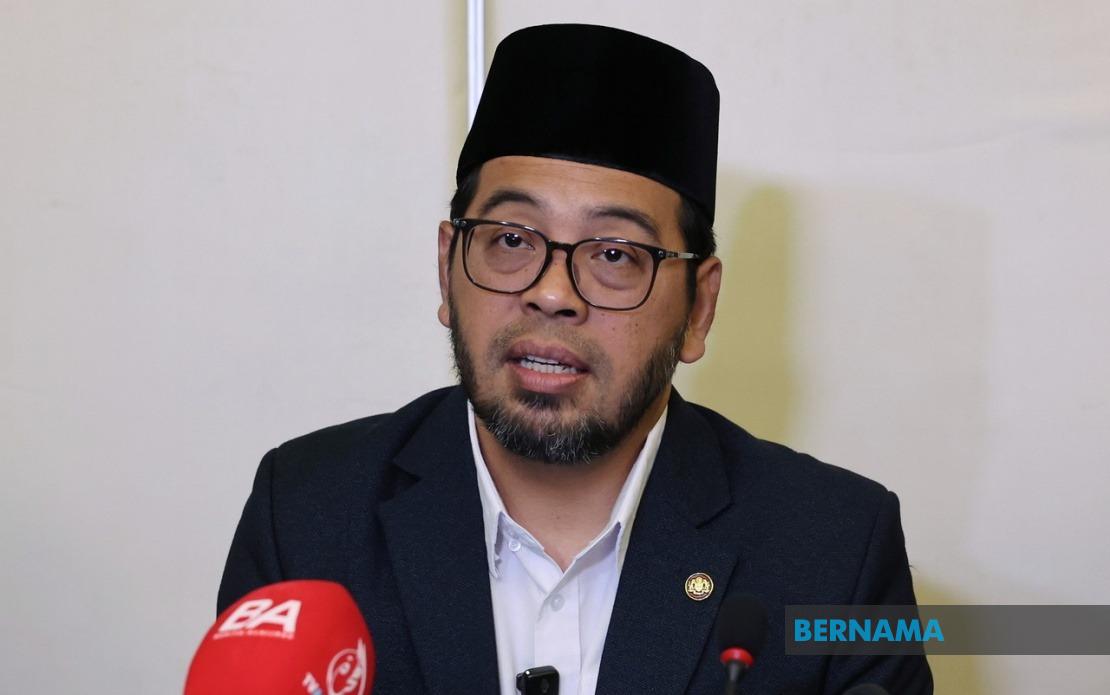
A special sitting of the Dewan Rakyat scheduled for tomorrow morning will see Minister in the Prime Minister's Department (Religious Affairs) Dr Zulkifli Hasan present detailed findings from the Royal Commission of Inquiry into the management and operations of Lembaga Tabung Haji during a six-year period marked by significant institutional challenges. The parliamentary session, commencing at 10 am, represents a key moment for legislative scrutiny of the 211-page investigative report that was made public on July 29 following government approval to release its conclusions to Malaysians.
Zulkifli, in a brief media statement, confirmed that Finance Minister II Datuk Seri Amir Hamzah Azizan would join him in both presenting the findings and steering the parliamentary debate that will follow. This dual-minister approach reflects the gravity with which the government treats the inquiry's conclusions, as the two departments most directly responsible for overseeing pilgrimage finances and broader fiscal policy take joint responsibility for explaining outcomes to elected representatives. The participation of senior finance officials underscores the institutional seriousness of the matter and the interconnection between religious affairs administration and national economic stewardship.
Cabinet has already signalled its intention to pursue accountability measures against individuals identified in the commission's investigation, though specifics remain unclear pending the parliamentary process. Zulkifli's statement indicating that "action should be taken against those involved in the case" suggests the inquiry has identified particular officials or decision-makers whose conduct warrant further examination or potential disciplinary action. This commitment to consequences, articulated before the parliamentary briefing, establishes clear expectations that findings will translate into concrete administrative or legal responses rather than serving merely as an archived historical account.
The Tabung Haji situation carries substantial weight in Malaysian public discourse, given the organisation's role as custodian of funds belonging to hundreds of thousands of Muslim pilgrims preparing for or having completed the Hajj. Any mismanagement or operational dysfunction directly affects the savings and financial planning of ordinary Malaysians, making parliamentary transparency not merely a procedural matter but a demonstration of government responsiveness to concerns affecting citizens' personal finances and religious obligations. The six-year window examined by the commission encompasses periods of significant economic and political transition in the country.
Communications Minister Datuk Seri Fahmi Fadzil has previously indicated that at least 40 MPs from various parliamentary caucuses have signalled their intention to participate in tomorrow's debate, reflecting broad interest across the legislative chamber in understanding what the commission discovered and what remedial steps the government intends to implement. This level of parliamentary engagement suggests the issue transcends narrow factional concerns and resonates with legislators across political dividing lines, reflecting shared commitment to accountability in institutional governance affecting Muslim Malaysians specifically and public trust more broadly.
The release of the 211-page report on July 29 followed a cabinet decision to make its contents available for public consumption, departing from instances where sensitive institutional inquiries might have been restricted to internal government review. This transparency approach has allowed independent analysis, media scrutiny, and informed public discussion prior to the parliamentary briefing, creating a foundation of shared factual knowledge upon which tomorrow's debate can proceed. The decision to publicise findings reflects contemporary expectations for governmental openness regarding institutions affecting significant segments of the population.
The timing of the special parliamentary sitting, scheduled for a specific date to ensure full attendance and media coverage, demonstrates the procedural importance attached to this institutional review. Unlike routine parliamentary business conducted during regular sittings, the designation as a special session elevates the matter's profile and allows dedicated parliamentary time without competition from other legislative priorities. This scheduling choice reinforces that the government views accountability and explanation regarding Tabung Haji management as warranting extraordinary parliamentary attention.
For Malaysian investors and pilgrims with funds held by Tabung Haji, tomorrow's parliamentary briefing and subsequent debate will provide crucial clarity regarding the institutional challenges identified, the financial implications of any past mismanagement, and the trajectory of organisational reform moving forward. The commission's investigation into a six-year period represents one of the most comprehensive recent examinations of the organisation's governance structures and decision-making processes. Public explanation of findings creates opportunity for affected stakeholders to understand what went wrong, how the institution will change, and what safeguards will prevent recurrence of identified problems.
The involvement of both religious affairs and finance portfolios in the parliamentary response reflects Malaysia's broader governance architecture, where institutions affecting religious communities intersect with national financial oversight systems. Neither ministry can credibly explain Tabung Haji's trajectory without reference to the other's responsibilities, making joint ministerial engagement necessary for comprehensive parliamentary accountability. This integrated approach acknowledges that institutional performance cannot be compartmentalised neatly between religious and fiscal domains when the organisation itself straddles both.
Parliamentary debate following Zulkifli's briefing will likely explore multiple dimensions of the commission's findings, from specific operational failures to systemic governance gaps and forward-looking institutional reforms. MPs will assess whether proposed remedies adequately address identified problems and whether cabinet's promised accountability measures extend sufficiently far through the institutional hierarchy. The breadth of expected parliamentary participation suggests that scrutiny will be neither perfunctory nor narrowly partisan, potentially establishing a baseline of legislative oversight that persists beyond tomorrow's debate as the government implements reform commitments.

