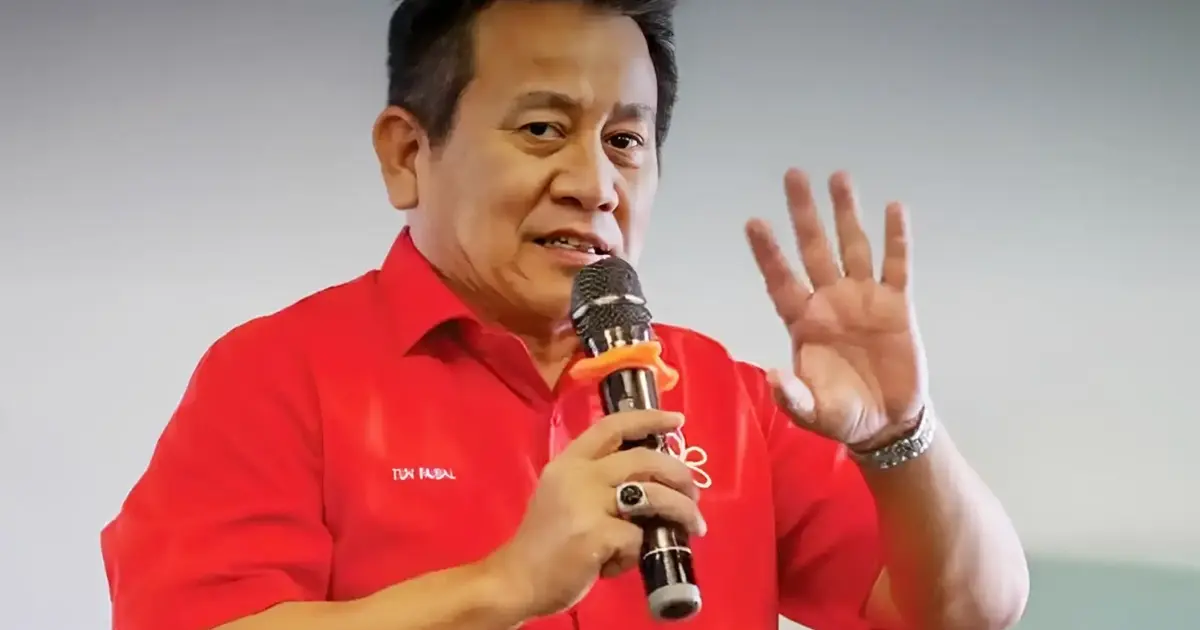
Tun Faisal Ismail Aziz, president of Bersatu, has publicly challenged the operational framework of the Perikatan Nasional coalition's highest decision-making body, questioning whether emergency meetings serve any meaningful purpose if their outcomes must subsequently gain approval from individual member parties.
The critique strikes at a structural tension within the opposition coalition that has long complicated its ability to respond swiftly to political developments. Perikatan Nasional, which comprises Bersatu, PAS, and several other parties, operates through a Supreme Council intended to function as its supreme governing authority. However, the requirement that major decisions pass through this council only to require secondary endorsement from constituent parties creates a layered approval process that undermines the efficiency and decisiveness the coalition ostensibly seeks.
Tun Faisal's intervention reflects growing frustration within Perikatan Nasional's leadership regarding governance bottlenecks. For a coalition seeking to present itself as a coherent and responsive political force, the necessity of multiple approval stages signals weakness rather than strength. When a Supreme Council reaches a decision but lacks autonomous authority to implement it, the council becomes merely advisory rather than truly supreme. This distinction carries considerable weight in Malaysian coalition politics, where perceptions of organisational coherence and decisional clarity significantly influence both internal party dynamics and broader voter confidence.
The underlying issue speaks to fundamental questions about coalition architecture. Perikatan Nasional was conceived as a tighter, more ideologically aligned alternative to Pakatan Harapan, yet it has inherited the same structural complications that plague multi-party coalitions in Malaysian politics. Each component party maintains autonomy and must answer to its own membership and base. Yet this federalised approach inevitably creates friction when rapid responses to breaking political circumstances become necessary. Emergency meetings, by definition, demand swift conclusions. If those conclusions require further consultation and ratification, the sense of emergency itself dissipates.
For Malaysian observers, Tun Faisal's remarks carry implications extending beyond internal coalition management. They illuminate why Perikatan Nasional has struggled to present unified strategic direction on critical issues. Whether addressing parliamentary manoeuvres, policy positions, or responses to government initiatives, the coalition has frequently appeared reactive and divided rather than proactive and cohesive. These structural impediments help explain that performance gap.
Bersatu's leadership position within the coalition adds weight to this criticism. As one of the coalition's core parties alongside PAS, Bersatu's dissatisfaction with governance procedures signals potential institutional reform discussions. Whether Perikatan Nasional can streamline its decision-making architecture without alienating smaller component parties remains an open question. Some allies may fear that enhanced Supreme Council autonomy could marginalise their influence within coalition deliberations.
The timing of Tun Faisal's public questioning is also significant. Raising such concerns publicly rather than through quiet backroom discussions suggests a willingness to highlight organisational deficiencies, potentially pushing the coalition toward governance restructuring. This approach differs from the internal conflict resolution typically preferred in Malaysian politics, where public disagreements can damage coalition cohesion and project divisiveness to external observers.
Regional perspectives matter too. Within the broader Southeast Asian context, where multi-party coalitions have become increasingly common, Perikatan Nasional's structural approach offers lessons, both positive and cautionary. Thailand's coalition governments have faced similar challenges in coordinating across multiple parties with divergent interests. Indonesia's coalition-based presidencies have developed more sophisticated mechanisms for streamlining decision-making across diverse political actors. Perikatan Nasional's experience suggests that effective multi-party governance requires clarity about which bodies possess genuine decision-making authority versus which function in consultative capacities.
Moving forward, Perikatan Nasional faces a choice between accepting current inefficiencies or undertaking potentially contentious internal restructuring. Tun Faisal's intervention essentially forces this conversation into public awareness. Should the coalition opt for reform, it must balance enhanced central authority with safeguards ensuring smaller parties retain meaningful input. Conversely, accepting the status quo means acknowledging limitations on the coalition's responsiveness and strategic agility, disadvantages that could prove costly during critical political moments.
For Malaysian voters evaluating political coalitions, Tun Faisal's critique underscores a broader reality: institutional design profoundly shapes political performance. A coalition structure that requires multiple approval stages for important decisions will inevitably move slower than a more streamlined alternative. Whether slower decision-making translates into more deliberate, consensus-based governance or merely reflects dysfunction depends on the coalition's ability to transform structural constraints into procedural strengths. Perikatan Nasional must now demonstrate whether its leaders can undertake honest institutional assessment and implement meaningful reforms, or whether internal political pressures will prevent the changes necessary for genuine operational improvement.
%22%2F%3E%3C%2Fpattern%3E%3C%2Fdefs%3E%3Crect%20width%3D%22100%25%22%20height%3D%22100%25%22%20fill%3D%22url(%23ph5v36dg)%22%2F%3E%3Crect%20width%3D%22100%25%22%20height%3D%22100%25%22%20fill%3D%22url(%23ph5v36dp)%22%2F%3E%3Ctext%20x%3D%2250%25%22%20y%3D%2250%25%22%20text-anchor%3D%22middle%22%20dominant-baseline%3D%22central%22%20fill%3D%22rgba(255%2C255%2C255%2C0.95)%22%20font-family%3D%22Georgia%2C%20'Times%20New%20Roman'%2C%20serif%22%20font-weight%3D%22700%22%20font-size%3D%22151%22%20letter-spacing%3D%22-0.02em%22%3ENorwegian%3C%2Ftext%3E%3C%2Fsvg%3E)
%22%2F%3E%3C%2Fpattern%3E%3C%2Fdefs%3E%3Crect%20width%3D%22100%25%22%20height%3D%22100%25%22%20fill%3D%22url(%23ph34ksng)%22%2F%3E%3Crect%20width%3D%22100%25%22%20height%3D%22100%25%22%20fill%3D%22url(%23ph34ksnp)%22%2F%3E%3Ctext%20x%3D%2250%25%22%20y%3D%2250%25%22%20text-anchor%3D%22middle%22%20dominant-baseline%3D%22central%22%20fill%3D%22rgba(255%2C255%2C255%2C0.95)%22%20font-family%3D%22Georgia%2C%20'Times%20New%20Roman'%2C%20serif%22%20font-weight%3D%22700%22%20font-size%3D%22320%22%20letter-spacing%3D%22-0.02em%22%3EPM%3C%2Ftext%3E%3C%2Fsvg%3E)