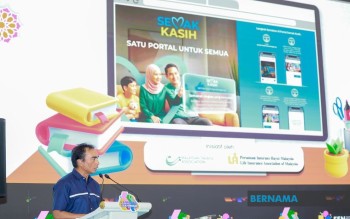
Bank Negara Malaysia has unveiled a digital platform designed to reunite Malaysian families with insurance and takaful benefits that have gone unclaimed, potentially representing millions of ringgit in financial protection that beneficiaries are unaware they possess. The 'Semak Kasih' portal, launched in Kuala Terengganu by BNM Deputy Governor Adnan Zaylani Mohamad Zahid, addresses a persistent gap in financial inclusion where many Malaysians fail to realise their relatives have left behind takaful or insurance coverage intended for their welfare during times of hardship.
The scale of unclaimed benefits underscores a critical disconnect between policy holders and their beneficiaries. According to joint estimates from the Life Insurance Association of Malaysia (LIAM) and the Malaysian Takaful Association (MTA), approximately 50,000 insurance policies and takaful certificates involving death benefits remain unpaid across the nation. This figure highlights not merely an administrative oversight but a systemic challenge in Malaysian financial literacy and family communication around protective assets. Many policies lie dormant because beneficiaries simply do not know they exist, or families lack clarity about where deceased relatives maintained coverage.
The portal represents the latest in a series of efforts by insurers and takaful operators to bridge this gap. Insurance and takaful companies have previously attempted direct outreach through postal correspondence and agent contact, but these approaches have achieved limited success in reaching all eligible beneficiaries. The digital platform transforms this approach by placing discovery and verification within the beneficiary's own hands, allowing families to search systematically for coverage without waiting for institutional outreach. This shift from provider-initiated contact to beneficiary-driven inquiry potentially accelerates the claims process and reduces friction in accessing entitled funds.
Adnan Zaylani emphasised that financial protection mechanisms such as insurance and takaful serve critical functions beyond routine circumstances. When families face medical emergencies requiring expensive treatment, property damage from fire or floods, or accidents resulting in injury or death, these policies provide essential safety nets that prevent financial catastrophe. Yet the benefits of such coverage are negated when beneficiaries remain ignorant of its existence. The portal thus serves a humanitarian purpose alongside its administrative function, ensuring that families experiencing loss can access resources intended to ease their burden during vulnerable periods.
The initiative reflects BNM's broader commitment to advancing financial inclusion and literacy across Malaysian society. Beyond the Semak Kasih platform, the central bank has launched complementary programmes addressing financial education from multiple angles. The Financial Education Forum (FEN) initiative, for instance, aims to develop an inclusive digital hub offering financial guidance accessible to all socioeconomic segments, including persons with disabilities. Such holistic approaches recognise that effective financial protection requires both adequate insurance products and knowledge of how to utilise them.
Malaysia's MSME sector has also received targeted support through various financing vehicles designed to address liquidity pressures. BNM has allocated RM5 billion under the SME Stabilisation Relief Facility to assist enterprises affected by regional conflicts, with working capital financing available up to RM750,000 and no mandatory collateral requirements. Alongside this, microfinancing schemes provide coverage up to RM100,000 for small entrepreneurs. The iTekad initiative has benefited over 14,000 participants nationwide, including approximately 600 in Terengganu, by enhancing income generation and living standards through skills development and business support.
Financial literacy initiatives have demonstrated particular importance given concerning consumer behaviour patterns identified in recent research. Approximately 37 per cent of Malaysians acknowledge making impulsive online purchases, while 26 per cent report carrying unsustainable debt burdens. These statistics reveal vulnerabilities in household financial management that digital channels have inadvertently amplified. While digitalisation has expanded economic opportunities and convenience, it simultaneously lowers friction for discretionary spending and creates new pathways for fraudulent activity. Building financial resilience therefore requires deliberate education from childhood onwards.
BNM has accordingly prioritised financial education programming targeting younger demographics. The MyDuitStory competition and the FEN Proaktif 2.0 Programme, developed in collaboration with Universiti Malaysia Terengganu, aim to equip students with foundational financial management skills before they enter the workforce and encounter complex economic decisions independently. Research demonstrates that consistent saving habits established early compound significantly over time, building wealth accumulation and security that insulates individuals and families against future economic shocks.
Adnan Zaylani's remarks at the Terengganu Financial Literacy Carnival underscored a fundamental principle: while macroeconomic conditions and technological disruptions remain beyond individual control, daily financial decisions remain within personal agency. Malaysians cannot influence global economic cycles or the pace of technological change, but they retain full discretion over spending discipline, saving commitment, and investment in financial knowledge. This framing empowers individuals by highlighting domains where they exercise meaningful choice, while acknowledging structural realities beyond their influence.
The Semak Kasih portal launch thus represents more than a procedural convenience. It embodies recognition that financial protection mechanisms lose effectiveness when beneficiaries remain unaware of their existence. By digitising the discovery process and placing it directly in the hands of families, BNM has created infrastructure that can systematically reconnect the 50,000 unclaimed policies with their intended recipients. For Malaysian households already navigating inflationary pressures and economic uncertainty, accessing forgotten benefits provides meaningful relief without requiring additional income generation. The initiative exemplifies how digital tools, deployed thoughtfully, can enhance financial inclusion and security across the population.

