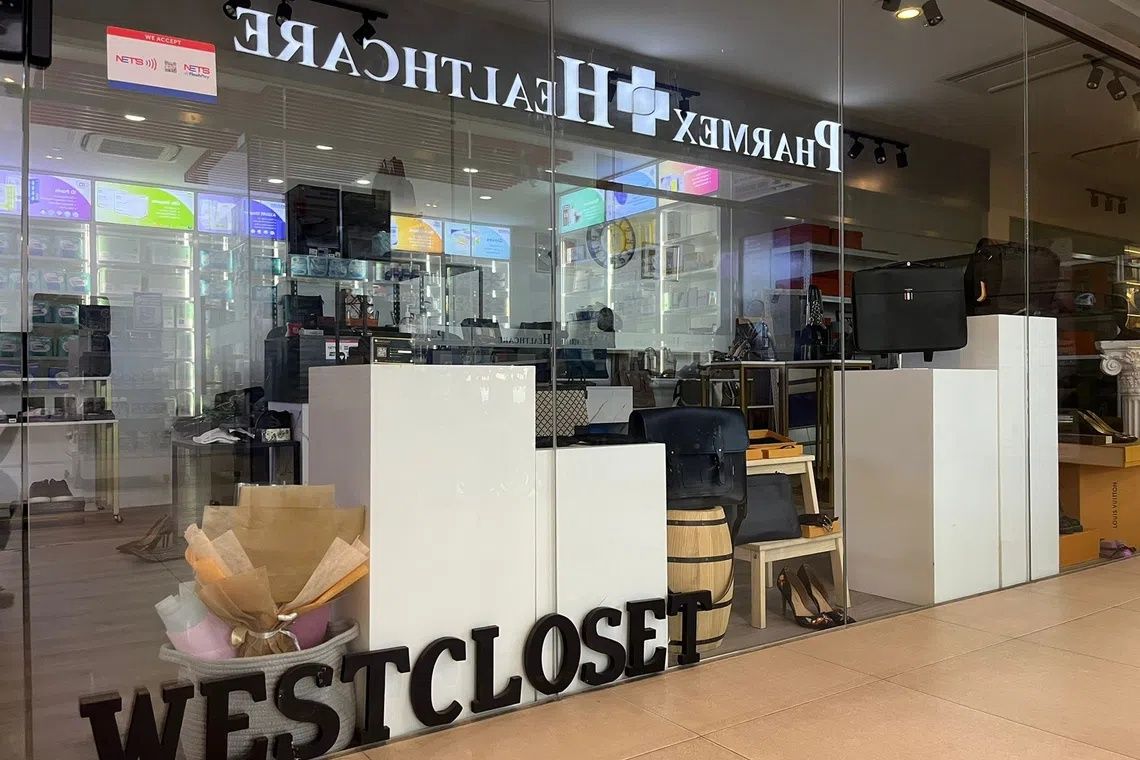
Ringga Dwi Rizky Irianto, a 36-year-old Indonesian national, has been sentenced to eight months in jail for orchestrating a complex fraud scheme at her consignment store, West Closet, located within the OUE Downtown Gallery shopping mall on Shenton Way. The case represents a cautionary tale about trust in Singapore's burgeoning luxury resale sector, an industry that has grown exponentially as affluent consumers seek sustainable alternatives to purchasing new designer goods.
The business model employed by West Closet appeared straightforward and legitimate on the surface. Through social media platforms including Instagram and the online marketplace Carousell, the store advertised its consignment services to customers seeking to sell pre-owned luxury items. The arrangement required clients to deposit their bags for a 60-day holding period, with a penalty fee of S$60 imposed for any overages. The store would then market these items on behalf of the owners and take a commission ranging from S$200 to S$900 from the sale proceeds—a structure common within the legitimate consignment industry throughout Southeast Asia.
However, instead of honouring these agreements, Irianto systematically misappropriated funds from at least five victims, totalling nearly S$140,000. She pleaded guilty to three counts of criminal breach of trust involving three separate victims and S$108,000 in total. Two additional charges related to the remaining victims were considered during sentencing but not pursued separately. The prosecution's case, presented by Deputy Public Prosecutor Darren Sim, revealed a pattern of deliberate deception and financial manipulation that exploited customers' faith in the business.
One particularly egregious example involved a customer who entrusted three luxury bags to West Closet in July 2022—two Hermès pieces and one Chanel—with a guaranteed sale price of S$51,000. The store issued a written guarantee promising that upon sale, the full amount would be credited to the customer's bank account within seven days. When Irianto successfully sold all three bags and received the S$51,000, she simply redirected the funds to settle another customer's order rather than remitting payment to the rightful owner. This tactic of using stolen money to pay other customers created a complex web of financial deception that ultimately unravelled.
The pattern continued with a second victim who had placed a Hermès bag for consignment. Irianto misappropriated S$33,500 from this transaction through the same mechanism. A third victim suffered a similar loss of S$23,500 when their Hermès bag sold but the proceeds were never transferred. These cases demonstrate how consignment operations can become vehicles for fraud when operators prioritise short-term financial gain over maintaining the trust upon which the entire business model depends.
Irianto was arrested in September 2022, though she did not face formal charges until 2024—a delay that raises questions about the investigative and prosecutorial timeline in financial crime cases involving foreign nationals in Singapore. By the time charges were filed, she had already made partial restitution of S$41,000 to her victims. At sentencing, the court ordered her to pay an additional S$91,950 in compensation, with the prospect of serving an extra 24 days in jail should she fail to meet this obligation—a condition that creates incentive for compliance but remains subject to her financial capacity.
The case carries significant implications for Malaysia and the broader Southeast Asian region, where luxury resale platforms and consignment services are proliferating rapidly. The rise of e-commerce and social media marketing has democratised access to high-end fashion resale, attracting entrepreneurs keen to capitalise on environmental concerns and the desire for affordable luxury. However, this expansion has also created vulnerability to operators who exploit the relatively informal nature of many such businesses. Unlike traditional retail establishments with corporate oversight and regulatory frameworks, consignment stores operating through Carousell and Instagram often function with minimal third-party verification or consumer protection mechanisms.
The regulatory landscape governing consignment operations differs across ASEAN nations, with Singapore maintaining stricter standards than some neighbouring markets. The fact that this case resulted in prosecution and jail time reflects Singapore's commitment to protecting consumers, yet it also highlights gaps in preventative regulation. Many consignment operators in Malaysia and other regional markets operate without formal licensing requirements, professional bonding, or mandatory escrow arrangements that would protect customers' financial interests. The absence of such safeguards creates environments where operators like Irianto can exploit loopholes with relative impunity.
Consumer education represents another critical dimension of this issue. Affluent individuals trading in luxury goods often assume that consignment operators are inherently trustworthy or operate under standardised industry protocols. The West Closet case demonstrates that formal written guarantees—while useful—provide limited protection if the operator lacks ethical restraint and financial discipline. Customers utilising consignment services should conduct thorough due diligence on the operator's track record, verify ownership and registration details, understand the mechanics of payment remittance, and consider whether funds are held in trust or commingled with operational accounts.
For the luxury resale industry specifically, this prosecution may catalyse broader conversations about professionalising the sector. Some established regional players have begun implementing escrow systems, third-party verification processes, and verified seller credentials to differentiate themselves from informal operators and build consumer confidence. The regulatory consequences facing Irianto—facing up to seven years' imprisonment per count of criminal breach of trust under Singapore law—underscore the serious legal jeopardy facing operators who violate consumer trust.
Irianto's bail was set at S$15,000 on the date of sentencing, with her expected jail term commencing in October. The timeline and conditions of her imprisonment will depend on whether she successfully pays the outstanding compensation. Her case serves as a stark reminder that even in markets as developed and regulated as Singapore's, consumer vigilance remains essential. For Malaysian consumers and entrepreneurs observing this precedent, the case underscores the importance of formal consumer protection mechanisms, proper regulatory oversight, and the need to report suspicious operators to authorities before victims accumulate to the numbers witnessed in this instance.

