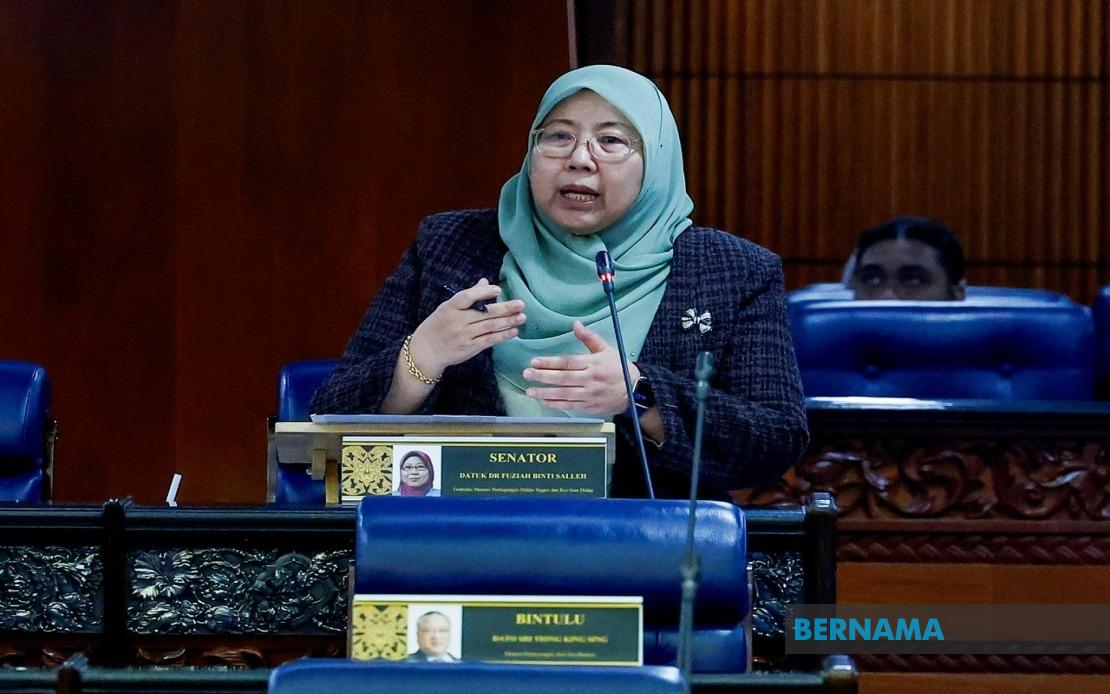
The Cooking Oil Price Stabilisation Scheme's mobile application has delivered measurable success in preventing misuse of Malaysia's subsidised cooking oil programme, Deputy Domestic Trade and Cost of Living Minister Datuk Dr Fuziah Salleh confirmed in Parliament. Speaking during question time in the Dewan Rakyat, Fuziah pointed to two critical performance indicators—steady market supply and minimal complaints—as evidence that the digital monitoring system is functioning as intended since its launch in May 2024.
The eCOSS app has achieved substantial uptake across the country, with 5.261 million Malaysian consumers registered by July 3 this year. This widespread adoption demonstrates public acceptance of the digital registration requirement, which screens applicants to ensure only eligible Malaysian citizens access subsidised packet cooking oil. The monthly purchase volume of 18 million packets provides a consistent baseline showing that the subsidy programme continues to serve its intended beneficiaries while supply flows normally through official retail channels.
Johor state, which serves as a pilot jurisdiction for the scheme, illustrates the tangible improvements that digital tracking enables. The state has recorded 580,000 app downloads among its population, with 1,093 of its 2,822 registered retailers now operating through the eCOSS system. Most significantly, consumer complaints about subsidised cooking oil shortages in Johor collapsed from nine incidents in June 2025 to just two in June 2026—a decline of more than 75 percent that indicates the digital infrastructure is successfully preventing black-market diversions and leakages that previously disrupted legitimate supply.
The system's design addresses a persistent vulnerability in Malaysia's subsidy framework: the ability of non-Malaysians and middlemen to purchase government-subsidised products and either resell them at profit or smuggle them abroad. By requiring digital registration and tracking each transaction through the supply chain, eCOSS creates an audit trail that deters unauthorized purchases while allowing authorities to identify patterns of diversion. This technological approach complements traditional enforcement operations without depending solely on raids and inspections, which are resource-intensive and reactive.
Fuziah explained that eCOSS functions as a comprehensive monitoring ecosystem, providing what she termed "last-mile connectivity" that follows subsidised cooking oil from refineries through repackaging facilities, wholesalers, and retailers to final consumers. This end-to-end visibility represents a significant departure from previous systems that struggled to track products once they left government distribution points. The data gathered through the mobile app enables the ministry to identify bottlenecks, unusual purchasing patterns, and supply irregularities that may indicate leakage—information that enforcement teams can then act upon with greater precision.
The ministry has also recognised that digital solutions alone cannot serve all segments of the population, particularly older Malaysians and residents in rural and remote areas with limited smartphone access or digital literacy. To address these equity concerns, Fuziah outlined multiple support mechanisms including on-site assistance provided by retailers, public education campaigns, instructional videos tailored for less technologically experienced users, and crucially, the maintenance of manual purchase options for consumers without smartphones. This hybrid approach ensures that the subsidy programme remains accessible while still deploying digital safeguards where feasible.
The complementary nature of the app and manual channels reflects a pragmatic recognition that Malaysia's population has diverse technological capabilities and that excluding elderly or rural citizens would undermine the subsidy programme's social purpose. Retailers trained to assist customers with registration at the point of sale can speed adoption among less confident users, while explanatory videos available through community centres and local television can help raise awareness. This multi-pathway approach distinguishes the eCOSS initiative from purely digital systems that might inadvertently create barriers to access for vulnerable groups.
Measuring the scheme's impact requires careful interpretation of available metrics. The low number of complaints received does not necessarily mean zero leakage occurs, but rather that the system has achieved sufficient transparency and supply stability that consumers encounter few shortages. In Johor, the dramatic reduction in complaints suggests that the digital verification process has either deterred diversion attempts or made such attempts riskier and less profitable, thereby reducing their frequency. The steady monthly purchase volume of 18 million packets nationally indicates that legitimate demand is being met reliably, another measure of operational success.
The government is actively refining the eCOSS system by evaluating feedback from both users and retailers. This iterative improvement process is essential because subsidy programmes frequently face challenges that only emerge after implementation begins—such as retailers' concerns about administrative burden, consumer confusion about eligibility criteria, or technical glitches in the app. By systematically reviewing complaints and suggestions, the ministry can adapt procedures to improve user experience without compromising the system's anti-leakage objectives.
Cooking oil subsidies represent one of Malaysia's largest recurring fiscal expenditures and one of the most prone to leakage given the product's portability, high value-to-weight ratio, and cross-border smuggling potential. Previous estimates suggested that leakages into the grey market and across international borders consumed a substantial portion of government funds intended to ease the cost of living for ordinary Malaysians. The eCOSS system, by establishing digital accountability and reducing opportunities for unauthorized purchases, represents a significant step toward protecting the subsidy's integrity and ensuring that taxpayer money reaches intended beneficiaries rather than enriching smugglers and middlemen.

