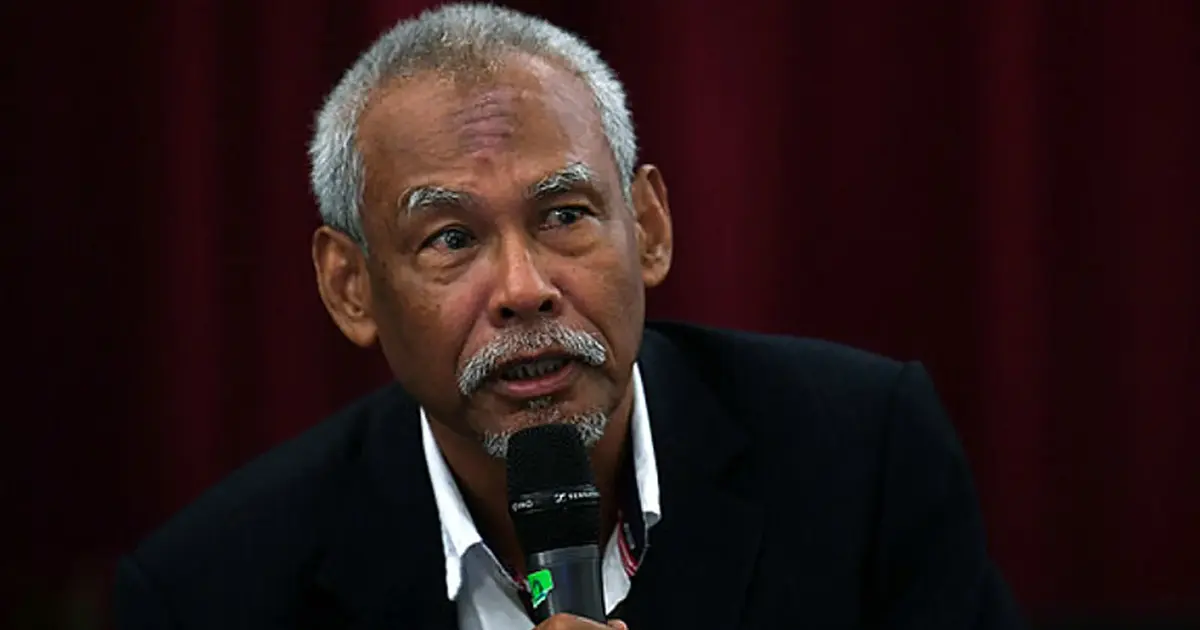
Musa Hassan, the country's former top police official, has suffered a significant legal setback after Malaysia's apex court declined to reconsider his defamation case. The decision marks a substantial moment in the ongoing litigation between the ex-IGP and his accuser, with the court ruling that the constitutional questions he sought to raise do not warrant judicial intervention at the highest level.
The nine legal questions Musa Hassan presented centred on fundamental issues concerning the rights of public officers to initiate defamation proceedings and the boundaries of free speech protections in Malaysia. These matters touch on longstanding tensions between institutional authority and public discourse—questions that have animated legal debates across Southeast Asia. By determining that these questions fall short of the standard required for appellate review, the court essentially closed a significant procedural avenue for the former police chief.
The ruling carries implications extending well beyond Musa Hassan's individual case. It provides clarity on the threshold Malaysian courts apply when deciding whether constitutional or legal principles warrant full appellate examination. Public figures and officials contemplating similar defences have now received a clearer signal about which categories of argument the judiciary considers sufficiently novel or significant to justify review. This type of judgment-setting function is crucial in common law systems where appellate decisions shape future litigation strategies.
Musa Hassan's decision to pursue these nine specific questions demonstrates the depth of his legal challenge to the original defamation finding. Rather than accepting the verdict on its facts alone, he sought to contest the entire legal framework within which the case was decided. This approach—attacking the foundational principles rather than merely the application of established law—represents a bold but ultimately unsuccessful strategy. His legal team evidently believed that if they could persuade the apex court to revisit fundamental questions about public officers' rights to sue, they might secure grounds for overturning or substantially modifying the original judgment.
The intersection of public office and defamation law remains contentious globally. Many democracies grapple with the tension between protecting institutional authority and safeguarding the public's ability to criticise those in power. Malaysia's courts have now indicated through this decision that they will not lightly entertain broad constitutional challenges to defamation verdicts simply because they implicate general principles about public discourse. This approach prioritises finality and restraint in appellate intervention, though it potentially limits opportunities to establish clearer precedent on contested constitutional matters.
For Malaysian legal practitioners, the judgment signals that future defamation cases involving public officers should focus on fact-specific appeals rather than wholesale challenges to the underlying legal framework. Unless appellants can demonstrate that their cases present genuinely novel constitutional questions or reveal fundamental flaws in existing jurisprudence, they face a steep climb in securing apex court review. This creates a more stable but potentially less flexible legal landscape for high-profile defamation disputes.
The Hannah lawsuit itself remains rooted in allegations that have sparked broader public debate about institutional accountability and press freedom. Whatever the underlying facts of the original dispute, the legal process surrounding it illustrates how Malaysian courts navigate claims and counterclaims in an increasingly polarised public sphere. The ex-IGP's unsuccessful appeal bid demonstrates that even prominent figures with substantial resources cannot automatically secure reconsideration of adverse judgments simply by framing their challenges in constitutional terms.
Regional observers note that Southeast Asian legal systems vary considerably in how they treat defamation cases involving public figures and state officials. Singapore maintains stricter approaches to public criticism of government institutions, while other jurisdictions adopt more expansive free speech protections. Malaysia's decision here—refusing to revisit fundamental principles through appellate channels in this context—reflects a particular judicial philosophy about the proper scope of appellate intervention rather than a comprehensive statement about Malaysian free speech law.
The timing of this judgment also matters. As Malaysia continues evolving its constitutional jurisprudence and grappling with questions about institutional accountability in the post-2018 political landscape, courts' willingness or reluctance to engage with broad legal principles shapes the trajectory of public discourse. By declining Musa Hassan's invitation to reconsider foundational questions, the apex court has effectively deferred these matters for potential future cases presenting clearer or more compelling circumstances.
For Hannah and her legal team, the victory represents confirmation that the original defamation finding can withstand the highest level of judicial scrutiny. Whether the judgment reflects substantive agreement with Hannah's position or merely a procedural determination that the case does not warrant apex court review remains technically distinct, though practically the outcome strengthens her position considerably. The finality this brings matters enormously in defamation disputes, where prolonged litigation can itself constitute a form of pressure on defendants.
Looking forward, this decision will likely influence how future high-profile defamation cases are framed and appealed. Litigants may recalibrate their strategies, focusing appellate arguments on more traditional grounds rather than attempting broad constitutional overhauls. For Malaysian civil society and media observers concerned with free speech questions, the decision underscores the need to establish clearer precedent through properly constituted cases rather than through attempted wholesale revision of existing legal frameworks.

