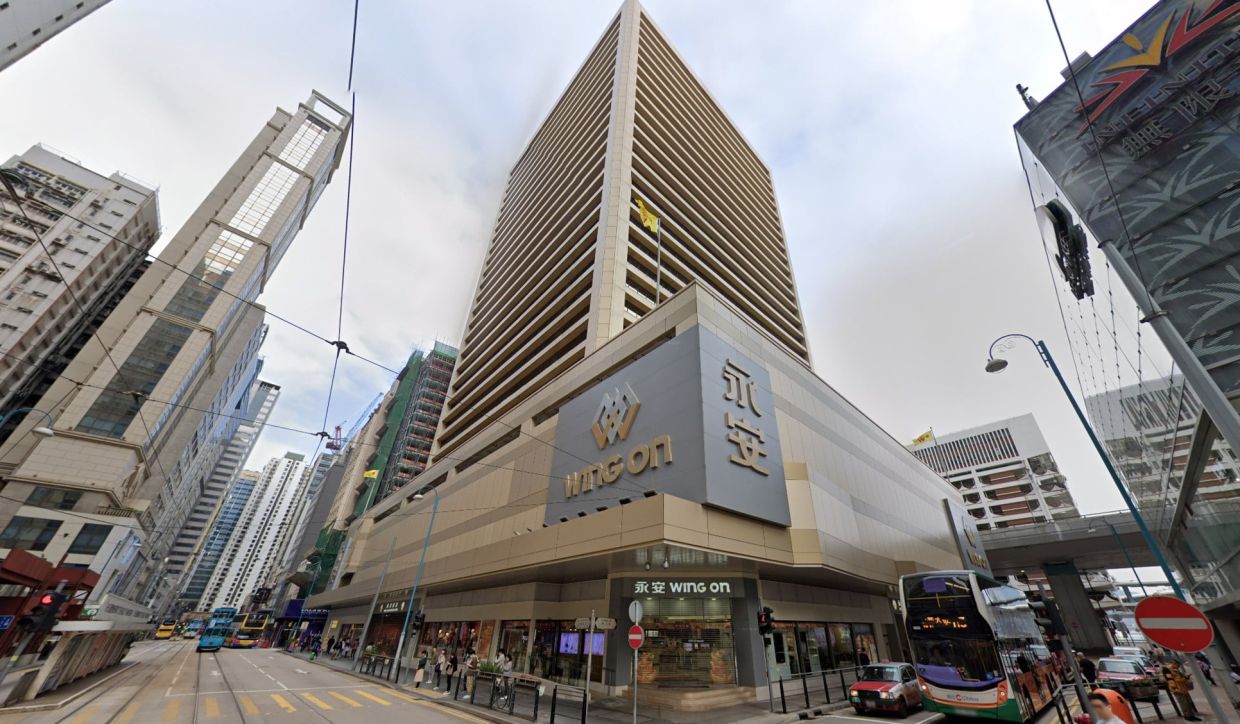
Hong Kong authorities have launched an investigation into allegations that an elderly woman was subjected to high-pressure sales tactics and pressured into purchasing beauty products worth HK$100,000 (US$12,750) at a department store outlet. The Customs and Excise Department confirmed on Saturday that it is actively examining the case involving the 88-year-old customer, who reportedly endured a draining three-hour ordeal at an Avinichi booth inside Wing On department store in Sheung Wan during April.
The complaint emerged through a social media post by a woman surnamed Ng, who detailed her mother's troubling experience at the beauty retailer. According to her account, after completing an initial purchase, the salesperson allegedly withheld the customer's credit card, keeping it secured in a folder while continuing to push additional products onto the elderly shopper. Over the extended three-hour period, the card was swiped four times in succession, resulting in cumulative charges totalling HK$100,000 for skincare items, a beauty treatment device, and a package of 24 detoxifying sessions.
The situation reportedly escalated despite intervention attempts by the customer's domestic helper, who sought to end the shopping experience and leave the store. Ng recounted that her mother felt mentally drained and disoriented following the encounter, describing a sensation of being "hypnotised" by the relentless sales pressure. The family subsequently requested a full refund from Avinichi but encountered resistance; the company allegedly offered only an exchange rather than returning the money. Frustrated by this response, Ng escalated matters by filing complaints with both the Customs and Excise Department and Hong Kong's Consumer Council.
The department's statement pledged robust enforcement action, emphasizing its commitment to protecting consumer rights and stamping out exploitative trade practices. Officials indicated that should investigators discover violations of the Trade Descriptions Ordinance, they would proceed with appropriate legal measures against the business. This declaration underscores growing regulatory alarm over systematic abuses within Hong Kong's beauty product industry, which has increasingly attracted scrutiny from both authorities and consumer advocates.
When a reporter for the South China Morning Post visited the Sheung Wan location on Saturday to seek comment, the staff on duty claimed unfamiliarity with the allegations. After a telephone consultation with management, an employee requested the journalist's contact details and indicated that a company representative would provide a statement subsequently. However, this promised response had not materialised by late Saturday evening, and staff declined to facilitate direct communication with the store manager.
Avinichi operates as one component of Apex Retail's portfolio, a multi-brand conglomerate managing approximately a dozen locations across Hong Kong and Singapore under various labels including Earth, Napara, Privilege Boutique, and Dualsonic. The parent company recently launched two new Avinichi "experience boutiques" in 2025, and the Sheung Wan Wing On outlet is formally listed on its website as a strategic mall partnership. Avinichi's trademark itself is registered to Exclusive Label, a United States-based entity, with the brand's website noting that individual retail locations maintain independent ownership and operational autonomy.
This case represents the latest in an expanding pattern of complaints targeting Hong Kong's beauty retail sector. The city's regulatory authorities have grown increasingly vigilant following high-profile enforcement actions against other retailers in the industry. Most notably, two managers employed by the Hong Kong operations of Opatra London faced criminal arrest on charges related to coercive selling practices, catalysing a broader public conversation about predatory business conduct within the cosmetics and skincare market. Similarly, The Mineral Boutique, a brand operating under the Beauty Express Group umbrella, has attracted negative attention for allegations of aggressive sales methodology.
Legal specialists consulted by the South China Morning Post have previously identified how such aggressive tactics—encompassing credit card misappropriation, unwanted physical contact, and psychological pressure to acquire expensive products—potentially constitute breaches of Hong Kong's Trade Descriptions Ordinance. The legislation explicitly prohibits harassment, intimidation, and deceptive practices deployed to manipulate consumers into purchases they would otherwise decline. Apex Retail, when approached about earlier comparable allegations involving another of its brands, Lionesse, declined to comment on individual cases that lacked identifiable customer specifics, maintaining a defensive posture.
For Malaysian and Southeast Asian readers, this incident illustrates regulatory challenges that extend across the region's retail beauty sector. High-pressure sales targeting vulnerable demographics—particularly elderly consumers with limited digital literacy and savings—represents a widespread concern from Bangkok to Kuala Lumpur. The Hong Kong case demonstrates both the scale of financial harm possible through systematic sales coercion and the importance of robust consumer protection frameworks. Similar predatory practices have emerged in Malaysia's cosmetics retail market, particularly in high-traffic shopping malls where international beauty brands operate kiosks.
The investigation's outcome will likely influence how regional authorities approach enforcement against deceptive beauty retail practices. Hong Kong's willingness to pursue criminal charges against individual managers, rather than merely corporate entities, signals a potential enforcement model that other Southeast Asian jurisdictions might adopt. The Trade Descriptions Ordinance breach provisions offer parallels to Malaysia's Consumer Protection Act and similar legislation across the region, suggesting that coordinated regulatory approaches could effectively deter such conduct.
The broader significance of this case extends beyond individual consumer protection. It underscores structural vulnerabilities in how luxury beauty retail operates across Asia, where commission-driven sales cultures and minimal oversight can create incentives for manipulative practices. The fact that multiple premium brands operating under different corporate ownership have faced similar allegations suggests systemic issues rather than isolated misconduct. Moving forward, enforcement action in Hong Kong may establish precedents that encourage more aggressive regulatory intervention across Southeast Asia, potentially reshaping how beauty retailers operate throughout the region.

